

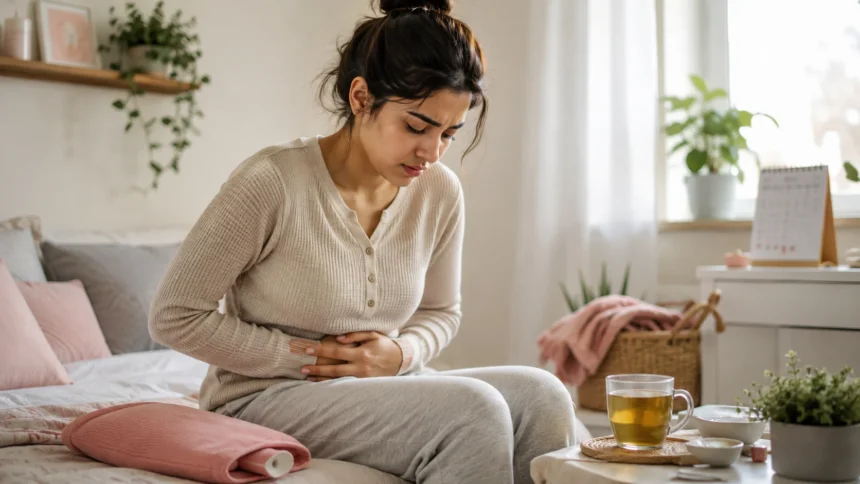
Why Do I Have Cramps After My Period?
If your period has ended but the aching, pressure, or cramping in your lower abdomen has not, you may naturally wonder, “Why do I have cramps after my period?” Mild pelvic discomfort can sometimes occur at different points in the menstrual cycle, but persistent or unusually painful cramping deserves attention, particularly when it differs from what is normal for you.
Post-period cramps can have several possible explanations. Sometimes they are related to normal cycle changes, including ovulation, while other cases may be connected with conditions such as endometriosis, adenomyosis, ovarian cysts, fibroids, or pelvic inflammatory disease. Digestive and urinary problems can also produce pain that feels very similar to menstrual cramps.
The timing, location, severity, and accompanying symptoms often provide important clues. Cramps that last only briefly and remain mild are different from severe pelvic pain accompanied by unusual vaginal bleeding, fever, vomiting, dizziness, unusual discharge, or pain during sex. Tracking these details can help you decide whether simple self-care is reasonable or medical evaluation would be appropriate.
Most importantly, experiencing cramps after menstruation does not automatically mean something serious is wrong. Pelvic pain has many possible causes, and symptoms can overlap considerably. Rather than trying to diagnose yourself from pain alone, understanding the possibilities can help you recognize patterns and know when speaking with a healthcare professional is the safest next step.
Are Cramps After Your Period Normal?
Typical menstrual cramps, medically known as dysmenorrhea, usually begin shortly before or around the start of menstrual bleeding. They are associated with contractions of the uterus as it sheds its lining. For many people, ordinary menstrual cramps gradually improve during the first few days of the period rather than continuing well beyond menstruation.
That does not mean every cramp felt after bleeding stops signals a medical condition. Menstrual cycles vary between individuals and can even vary from month to month in the same person. Brief, mild discomfort may occur around hormonal changes, ovulation, bowel activity, or other events that happen to occur shortly after menstruation.
However, pain that repeatedly continues after your period, becomes progressively worse, interrupts normal activities, or occurs throughout other parts of the month is worth discussing with a healthcare professional. Secondary dysmenorrhea describes menstrual-related pain caused by another condition and may last longer than ordinary menstrual cramps, including after bleeding ends.
Your personal baseline matters. If you have always experienced mild cramping for a short time after menstruation and nothing has changed, the situation is different from suddenly developing intense post-period pelvic pain. Any significant change in your usual menstrual pattern deserves closer attention, especially when other new symptoms occur alongside the cramps.
1. Ovulation Can Feel Like Period Cramps
One possible explanation for cramping after menstruation is ovulation pain, also called mittelschmerz. Ovulation happens when an ovary releases an egg, and some people experience discomfort around this time. The pain often affects one side of the lower abdomen and may feel dull, achy, cramp-like, or occasionally sharp.
Ovulation typically occurs between menstrual periods rather than immediately after menstruation for everyone. However, the exact timing depends on cycle length. Someone with a relatively short menstrual cycle may ovulate sooner after their period ends, making the discomfort seem closely connected with the previous period even though it represents another stage of the cycle.
Mittelschmerz may last from a few minutes or hours to around a day or two. Some people also notice a small amount of spotting or vaginal discharge around ovulation. Pain that consistently occurs around the middle portion of your cycle and alternates sides from month to month may fit this pattern, although symptoms alone cannot confirm the cause.
Ovulation pain is usually not dangerous, but severe or persistent one-sided pelvic pain should not automatically be blamed on ovulation. Ovarian cysts and other conditions can produce similar symptoms. If the pain is unusually intense, continues for several days, or comes with heavy bleeding, fever, dizziness, or vomiting, medical evaluation is appropriate.
2. Endometriosis May Cause Pain Beyond Your Period
Endometriosis is an important possibility when pelvic pain extends beyond menstruation. It occurs when tissue similar to the lining inside the uterus grows outside the uterus. Pelvic pain is one of its most recognized symptoms, and discomfort can occur before or during periods as well as at other points throughout the menstrual cycle.
People with endometriosis may also experience unusually painful periods, heavy menstrual bleeding, lower-back pain, pain during or after sex, or discomfort while having a bowel movement or urinating. Symptoms vary significantly between individuals, and the intensity of pain does not always indicate the extent of the condition.
One clue that warrants attention is menstrual pain that becomes progressively worse or continues beyond the first days of the period. ACOG notes that endometriosis should be considered among possible causes when menstrual pain worsens over time, lasts beyond the early part of menstruation, or occurs throughout the month.
Endometriosis cannot be diagnosed simply because cramps continue after a period. Other gynecological, digestive, urinary, and musculoskeletal conditions can cause similar pelvic pain. If symptoms repeatedly affect your daily activities, work, exercise, sleep, sexual activity, or bowel and bladder habits, discussing them with a gynecological healthcare professional can help determine what evaluation is appropriate.
3. Adenomyosis Can Cause Ongoing Pelvic Cramping
Adenomyosis is another condition associated with painful periods and pelvic discomfort. It involves tissue from the uterine lining growing into the muscular wall of the uterus. The condition can cause menstrual pain, pelvic pressure, and heavier-than-usual periods, and some people experience discomfort that is not restricted entirely to the days of menstrual bleeding.
The pain associated with adenomyosis can sometimes feel like deep menstrual cramping or heaviness in the lower abdomen. Because these symptoms overlap with common period pain, endometriosis, and fibroids, people may not immediately realize that there could be another explanation for increasingly uncomfortable menstrual cycles.
If you notice that your periods have become significantly more painful or heavier over time, especially alongside persistent pelvic discomfort, it may be helpful to discuss the change with a clinician. Pelvic pain can be associated with adenomyosis as well as conditions such as endometriosis, fibroids, and pelvic inflammatory disease.
A healthcare professional may consider your menstrual history, physical symptoms, age, pregnancy history, and other factors when evaluating possible adenomyosis. Depending on the situation, further assessment or imaging may be recommended. Because several conditions produce similar symptoms, receiving an appropriate diagnosis is more useful than trying to identify adenomyosis based on cramping alone.
4. Ovarian Cysts Can Cause One-Sided Cramps
An ovarian cyst is a fluid-filled sac that develops on or within an ovary. Many ovarian cysts are functional cysts that develop as part of the normal menstrual cycle, cause no symptoms, and disappear without treatment. However, some larger or symptomatic cysts can cause pelvic discomfort.
Pain from an ovarian cyst may feel like a dull ache, pressure, heaviness, or sharper discomfort in the lower abdomen, sometimes mainly on one side. Bloating or a sensation of abdominal fullness can also occur. Because the symptoms can come and go, cyst-related discomfort may sometimes be mistaken for ordinary menstrual cramping.
The timing does not always correspond neatly with the beginning or end of a period. A cyst can therefore be one possible explanation when you experience unexplained cramps after menstruation, particularly when the pain is noticeably one-sided. Most cysts are not dangerous, but symptoms alone cannot determine what type of cyst might be present.
Sudden, severe pelvic pain deserves prompt medical attention, particularly when accompanied by nausea, vomiting, dizziness, weakness, or significant bleeding. These symptoms should not be managed simply by assuming you have ordinary post-period cramps. A healthcare professional can determine whether further evaluation, including imaging, is necessary.
5. Pelvic Inflammatory Disease Can Cause Pelvic Pain
Pelvic inflammatory disease (PID) is an infection involving the upper female reproductive organs, including the uterus, fallopian tubes, and ovaries. It can cause lower abdominal or pelvic pain, and the discomfort does not have to occur exclusively during menstruation. Early treatment is important because untreated PID can cause complications.
Symptoms may include unusual vaginal discharge, bleeding between periods or after sex, pain deep inside during sex, unusual heavy or painful periods, and lower abdominal discomfort. Some people have relatively mild symptoms, while others become noticeably unwell. PID can sometimes develop gradually rather than producing dramatic symptoms immediately.
Sexually transmitted infections such as chlamydia and gonorrhea are common causes of PID, although other bacteria can also be responsible. Therefore, having pelvic cramps alongside unusual discharge, unexpected bleeding, painful sex, urinary discomfort, or possible STI exposure is a good reason to seek medical evaluation rather than waiting for another menstrual cycle.
PID is generally treated with antibiotics, and earlier treatment reduces the likelihood of complications. Because the symptoms overlap with many other causes of pelvic pain, clinicians may use your medical history, examination, pregnancy testing, STI testing, blood tests, or ultrasound when necessary to evaluate the problem.
6. Uterine Fibroids May Contribute to Cramping
Uterine fibroids are noncancerous growths that develop in or around the uterus. Some people with fibroids have no symptoms at all, while others experience heavy menstrual bleeding, pelvic pressure, painful periods, or discomfort in the lower abdomen. Symptoms can depend partly on the number, size, and location of the fibroids.
Cramping associated with fibroids may not always disappear immediately when menstrual bleeding stops. If the uterus is enlarged or fibroids create pressure within the pelvis, discomfort may feel like fullness, aching, or menstrual-like cramps at other points in the cycle. Heavy or prolonged periods can provide another reason to investigate the possibility.
Fibroids are only one possible explanation, and many other conditions can cause similar symptoms. Endometriosis, adenomyosis, ovarian cysts, gastrointestinal disorders, urinary problems, and ordinary menstrual changes can all create lower abdominal discomfort. This overlap is why a symptom-based self-diagnosis can easily be misleading.
If post-period cramps occur alongside periods that have become significantly heavier, longer, or more painful, mention those changes during a medical appointment. Giving your healthcare professional a detailed menstrual history can help determine whether additional evaluation is worthwhile and which possible causes deserve closer consideration.
7. Digestive Problems Can Mimic Menstrual Cramps
Not every cramp felt after a period actually originates from the uterus or ovaries. Your bowel occupies the same general pelvic and abdominal region, which means constipation, gas, or irritable bowel syndrome can produce discomfort that feels surprisingly similar to menstrual cramps.
Digestive pain may be more likely when cramps occur alongside bloating, constipation, diarrhea, increased gas, or changes related to eating or bowel movements. Some people notice that digestive symptoms fluctuate throughout their menstrual cycle, which can make determining whether the discomfort is gynecological or gastrointestinal even more difficult.
Pay attention to what happens when you eat, pass stool, or experience bloating. If the discomfort consistently improves after a bowel movement or appears alongside recurring constipation or diarrhea, digestive factors may deserve consideration. However, gastrointestinal symptoms can also coexist with gynecological conditions, including endometriosis.
Persistent abdominal or pelvic pain should therefore not automatically be labeled as either period cramps or digestive trouble. If discomfort repeatedly returns, does not resolve, or comes with unexplained weight loss, persistent bowel changes, blood in the stool, or significant bloating, medical assessment is sensible.
8. Urinary Problems May Feel Like Pelvic Cramps
A urinary tract infection or another bladder-related problem can sometimes create lower abdominal pressure and pelvic discomfort that resembles menstrual cramping. Because the bladder sits within the pelvis, it may be difficult to distinguish the source of pain based purely on where you feel it.
Urinary symptoms can provide useful clues. Pain or burning during urination, needing to urinate more frequently, suddenly feeling a strong urge to urinate, or noticing blood in the urine suggests that the urinary system may be involved rather than the menstrual cycle alone.
If your period has recently finished, it can be easy to assume that any remaining lower abdominal pain is still menstrual. Instead, consider whether additional symptoms appeared at approximately the same time. A new urinary problem may simply coincide with your menstrual cycle rather than being caused by menstruation itself.
Seek medical advice when pelvic discomfort occurs with urinary pain, frequent urination, blood in the urine, fever, or generally feeling unwell. Urinary infections and gynecological conditions can sometimes produce overlapping symptoms, so appropriate testing can help identify the cause and guide treatment.
9. Could Pregnancy Cause Cramps After What Seemed Like a Period?
If pregnancy is possible, unusual pelvic cramping deserves additional attention. Vaginal bleeding during early pregnancy can sometimes be mistaken for a menstrual period, meaning someone may believe their period has ended when the bleeding actually had another cause. Pelvic pain in someone who may be pregnant should be assessed appropriately.
One important condition clinicians consider is ectopic pregnancy, in which a pregnancy develops outside the main cavity of the uterus. Although it is uncommon, it can become medically serious. This is why pregnancy status matters when evaluating new or unexplained pelvic pain, particularly when bleeding patterns differ from normal.
If your recent bleeding was unusually light, short, irregular, or otherwise different and pregnancy is possible, taking an appropriate pregnancy test can provide useful information. A positive test accompanied by pelvic pain should prompt medical advice rather than assuming that the cramps simply represent an unusual menstrual cycle.
Severe pelvic pain, worsening one-sided pain, fainting, dizziness, shoulder-tip pain, difficulty breathing, or heavy vaginal bleeding requires urgent medical assessment, especially if pregnancy is possible. These symptoms are among the warning signs healthcare services use when deciding that pelvic pain needs immediate evaluation.
How Long Should Cramps Last After Your Period?
There is no single amount of post-period cramping that is normal for everyone because menstrual cycles and pain patterns vary. However, ordinary primary menstrual cramps generally occur around the beginning of menstruation and tend to improve within the first few days rather than continuing significantly after the period has ended.
Short-lived, mild discomfort that resolves on its own may not necessarily indicate a problem. It becomes more important to seek medical advice when cramps continue for several days, repeatedly return after every period, become progressively stronger, or begin occurring at other points throughout the month.
The pattern can be more informative than the exact number of hours. For example, pain that consistently appears around the middle of the cycle may suggest ovulation pain, whereas worsening pain associated with periods, intercourse, bowel movements, or urination may require investigation for other causes.
Consider recording when the cramps begin and stop for two or three cycles. Include whether the pain occurs on one side or both sides, how strong it feels, and whether bleeding, discharge, bloating, bowel changes, urinary symptoms, or pain during sex occurs. These details can make a medical consultation considerably more informative.
What Do Different Types of Post-Period Cramps Mean?
A mild, dull ache affecting the center of the lower abdomen may feel similar to ordinary menstrual discomfort, but the sensation alone cannot identify its cause. Timing, duration, accompanying symptoms, and whether the discomfort is new or recurrent all matter when deciding what might be happening.
One-sided discomfort may occur with ovulation or ovarian conditions, while widespread lower abdominal pain has a broader range of possibilities. PID often causes pelvic or lower abdominal pain, while digestive problems and urinary conditions can create discomfort in overlapping locations.
Sharp or sudden pain is more concerning when it is intense or accompanied by other warning symptoms. Likewise, cramps associated with fever, unusual vaginal discharge, unexpected bleeding, vomiting, dizziness, or feeling very unwell should not simply be watched at home for an extended period.
Pain is highly individual, so describing it as sharp, dull, pulling, burning, throbbing, pressure-like, or cramping can help a clinician understand your experience. Also note whether movement, sexual activity, urination, bowel movements, food, or certain positions make the discomfort better or worse.
When Should You See a Doctor About Cramps After Your Period?
Consider arranging a medical appointment when post-period cramps repeatedly return, do not go away, become more painful over time, or interfere with everyday activities. Ongoing pelvic pain deserves evaluation because several treatable reproductive, urinary, gastrointestinal, and musculoskeletal conditions can produce similar symptoms.
You should also seek advice when cramps occur alongside unusually heavy periods, bleeding between periods, bleeding after sex, unusual vaginal discharge, painful sex, urinary symptoms, persistent bloating, or recurring bowel changes. These additional symptoms can provide clues that ordinary menstrual cramping may not fully explain the problem.
Do not feel that you must tolerate significant pelvic pain simply because it happens near your menstrual cycle. Pain that repeatedly prevents you from working, studying, exercising, sleeping, or participating in normal activities deserves attention. Conditions such as endometriosis can produce substantial pelvic pain that extends beyond the days of menstrual bleeding.
A healthcare professional can assess the complete pattern rather than one symptom in isolation. Depending on your situation, they may discuss menstrual history, contraception, pregnancy possibility, sexual history, bowel and urinary symptoms, medications, and previous medical conditions before deciding whether examinations or additional testing are needed.
Warning Signs That Need Urgent Medical Attention
Seek urgent medical care for pelvic pain that becomes severe, rapidly worsens, or is extremely painful when you move or touch the area. Severe pelvic pain has several possible causes, and some require prompt treatment rather than waiting for the symptoms to disappear naturally.
Heavy vaginal bleeding together with intense pain is another warning sign. Feeling faint, dizzy, lightheaded, confused, or losing consciousness also requires prompt attention. Shoulder-tip pain accompanying pelvic pain is particularly important when pregnancy may be possible.
A high fever, chills, repeated vomiting, or feeling seriously unwell alongside pelvic pain can suggest infection or another acute problem. PID, for example, can sometimes cause severe worsening pelvic pain, fever, nausea, vomiting, or heavy bleeding and should be evaluated promptly.
Pregnancy or possible pregnancy changes the urgency of unexplained pelvic pain. If there is any chance you could be pregnant and you develop substantial pelvic pain, unusual bleeding, dizziness, fainting, or shoulder pain, seek medical care promptly rather than assuming you simply have cramps after your period.
How Doctors Evaluate Cramps After a Period
The evaluation usually starts with your symptoms and medical history. A clinician may ask when the pain started, where it occurs, whether it relates to your menstrual cycle, how long it lasts, and what makes it better or worse. Your answers can significantly narrow the range of potential explanations.
You may also be asked about menstrual flow, bleeding between periods, contraception, pregnancy possibility, sexual activity, pain during intercourse, vaginal discharge, urinary symptoms, and bowel changes. Although some questions may feel personal, they can help distinguish between gynecological, infectious, urinary, digestive, and pregnancy-related causes.
Depending on your symptoms, evaluation may involve a physical or pelvic examination, pregnancy testing, urine tests, STI testing, blood tests, or imaging such as an ultrasound. PID assessment, for example, can involve pregnancy testing, vaginal samples, blood tests, and sometimes ultrasound depending on the clinical situation.
Not everyone needs every test. Your clinician will usually select investigations according to your symptoms and risk factors. Keeping a menstrual and symptom diary before your appointment can make the conversation easier by giving both you and your healthcare professional a clearer picture of when and how the pain occurs.
How Can You Relieve Mild Cramps After Your Period?
For mild cramps without warning signs, warmth can be soothing. A heating pad or warm compress placed over the lower abdomen may help relax tense muscles and reduce the sensation of cramping. A warm bath can provide similar comfort while also helping the body relax.
Gentle movement may also feel better than remaining completely inactive. Walking, light stretching, and relaxed breathing exercises can sometimes reduce general muscular tension around the abdomen and pelvis. Choose activities that feel comfortable rather than pushing through exercise that clearly makes the pain worse.
Over-the-counter pain medicines may be appropriate for some people, but they are not suitable for everyone. Factors such as pregnancy, stomach ulcers, kidney problems, allergies, blood-thinning medications, and other medical conditions can affect which medicines are safe, so follow medication instructions and ask a healthcare professional when uncertain.
Self-care should provide comfort rather than delay investigation of recurring symptoms. If you find yourself relying on pain medicine every month because cramps repeatedly continue after menstruation, consider discussing the pattern with a clinician. Treating the underlying cause, when one exists, is more useful than continuously masking significant pain.
How Tracking Your Menstrual Cycle Can Help
A menstrual cycle diary can reveal patterns that are difficult to remember accurately from month to month. Record the first and last day of menstrual bleeding along with the days when cramping occurs. After several cycles, you may notice that the pain consistently appears during a particular phase.
Record pain severity as well. A simple 0-to-10 scale can help show whether discomfort is staying stable or gradually worsening. Note whether the pain is central, affects one side, travels into your lower back, or changes with movement, sex, urination, eating, or bowel movements.
Other symptoms are equally important. Record spotting, heavy bleeding, vaginal discharge, nausea, bloating, constipation, diarrhea, urinary urgency, fever, and pain during intercourse. A pattern involving several symptoms can provide far more useful information than simply telling a clinician that you experience occasional cramps.
Tracking should not become a reason to delay care when significant symptoms are present. Severe pain or urgent warning signs still need prompt assessment. For mild recurring symptoms, however, keeping accurate information can help you communicate more clearly and may make it easier for your healthcare professional to recognize a cycle-related pattern.
Can You Prevent Cramps After Your Period?
There is no universal method for preventing post-period cramps because treatment depends on what is causing them. Ovulation discomfort, endometriosis, ovarian cysts, infections, digestive problems, and urinary conditions each require different approaches, so identifying the underlying reason is the most important step when symptoms are persistent.
Supporting general health can still make menstrual cycles easier to manage. Regular movement, sufficient sleep, balanced nutrition, hydration, and stress management may support overall well-being, although they should not be presented as cures for medical conditions causing pelvic pain.
If a healthcare professional identifies a specific gynecological cause, treatment may involve medication, hormonal therapies, antibiotics, physical therapy, or procedures depending on the diagnosis. Pelvic pain treatment varies considerably because the same symptom can arise from many different organs and conditions.
The goal should therefore be understanding your pain rather than simply suppressing it each month. When cramps are new, worsening, frequent, or disruptive, seeking appropriate medical advice can help identify whether they represent normal cycle variation or something that would benefit from specific treatment.
So, Why Do I Have Cramps After My Period?
If you are asking “Why do I have cramps after my period?”, there is no single answer that applies to everyone. Mild discomfort may sometimes relate to the timing of your menstrual cycle or ovulation, particularly if your cycles are shorter and the pain occurs around the time an ovary releases an egg.
Repeated or significant post-period cramps can have other explanations, including endometriosis, adenomyosis, ovarian cysts, fibroids, pelvic inflammatory disease, urinary conditions, or gastrointestinal problems. Because these conditions can produce overlapping symptoms, the location of the pain alone is rarely enough to identify the cause.
Look at the complete pattern. How long does the pain last? Is it getting worse? Does it affect one side? Do you have heavy bleeding, unusual discharge, urinary symptoms, pain during sex, bowel problems, fever, or spotting? These details often provide more useful information than the fact that the pain occurs after menstruation.
Most occasional mild cramps are not necessarily a reason for alarm, but persistent or severe pelvic pain should not be ignored. Learning what is normal for your body and recognizing meaningful changes can help you seek appropriate care when needed instead of assuming every episode is simply another part of having a period.
Final Thoughts
Experiencing cramps after your period can be confusing because most people expect menstrual discomfort to improve once bleeding ends. In many cases, the explanation may be relatively simple, such as cycle-related ovulation pain, while recurring or intense symptoms can point toward another cause that deserves medical evaluation.
Conditions such as endometriosis, adenomyosis, ovarian cysts, fibroids, and PID can all contribute to pelvic discomfort, while bowel and urinary problems can mimic menstrual cramping. That wide range of possibilities is why persistent pelvic pain is best evaluated according to the entire symptom pattern rather than self-diagnosed from timing alone.
For mild and occasional discomfort, monitoring your cycle and using simple comfort measures may be reasonable. If the cramps repeatedly return, become progressively worse, interfere with daily life, or are accompanied by abnormal bleeding, unusual discharge, urinary symptoms, or painful sex, consider making an appointment with a healthcare professional.
Seek urgent care for severe or worsening pain, heavy bleeding, fainting or dizziness, high fever, significant vomiting, or concerning symptoms when pregnancy is possible. Paying attention to these warning signs allows you to distinguish ordinary discomfort from situations where getting medical help promptly matters.
Frequently Asked Questions About Cramps After Your Period
Why am I still cramping even though my period is over?
Mild cramps may occasionally be related to normal cycle changes or upcoming ovulation. Recurrent or worsening pain can also have other causes, including endometriosis, ovarian cysts, adenomyosis, fibroids, infection, or digestive problems.
Can ovulation cause cramps right after my period?
Yes, particularly if you have a shorter menstrual cycle and ovulate relatively soon after bleeding ends. Ovulation pain commonly affects one side and may last from a short period of time up to a day or two.
Are cramps after a period a sign of endometriosis?
They can occur with endometriosis, but post-period cramps alone cannot diagnose the condition. Endometriosis may also cause severe menstrual pain, chronic pelvic pain, painful sex, bowel or urinary pain, and heavy bleeding.
Can pregnancy cause cramps after my period?
Pregnancy can cause pelvic symptoms, and bleeding during early pregnancy may sometimes be confused with menstruation. If pregnancy is possible and you have unusual bleeding or pelvic pain, consider testing and seeking medical advice when appropriate.
When should I worry about cramps after my period?
Seek medical advice when cramps are persistent, worsening, or repeatedly interfere with normal activities. Severe pain, heavy bleeding, fainting, fever, vomiting, or significant pain when pregnancy is possible requires more urgent medical attention.