

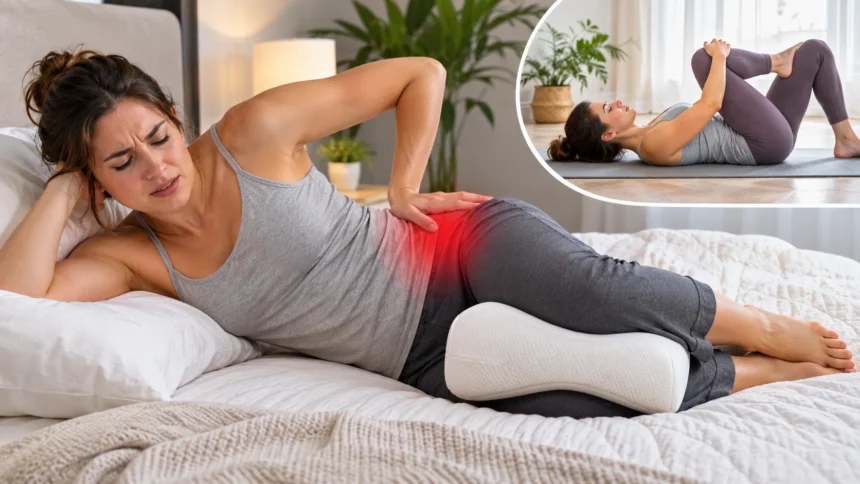
Waking up with hip pain after sleeping on your side can make mornings uncomfortable. The pain may feel like a dull ache, soreness, or sharp discomfort around the outer hip. Sometimes, it disappears after moving around, while other times, it continues throughout the day and affects everyday activities.
If you are wondering how to relieve hip pain from sleeping on your side, understanding the possible causes is an important first step. Sleeping positions, mattress support, muscle irritation, and certain hip conditions may contribute to nighttime discomfort. Simple adjustments can sometimes improve comfort and reduce pressure on sensitive tissues.
This guide explains why side sleeping can cause hip pain and what you can do to manage it. You will learn about comfortable sleeping positions, pillow placement, mattress support, gentle movement, and common medical conditions. It also covers when persistent hip pain requires professional evaluation.
Why Does My Hip Hurt When I Sleep on My Side?
Side sleeping places some of your body weight directly against the hip resting on the mattress. This creates pressure around the outer hip, including nearby muscles, tendons, and fluid-filled structures called bursae. When these tissues are already sensitive, prolonged pressure may increase discomfort.
Hip pain can also develop when the upper leg falls forward or downward during sleep. This position may increase strain on tissues around the pelvis and outer hip. However, side sleeping is not automatically harmful, and many people sleep comfortably in this position.
The exact cause depends on where the pain occurs and whether other symptoms are present. Some people experience discomfort from temporary pressure, while others have an underlying tendon or joint condition. Understanding these differences can help guide appropriate adjustments and treatment.
What Causes Hip Pain While Sleeping?
Several conditions can contribute to hip pain during sleep. Common possibilities include irritated tendons, greater trochanteric pain syndrome, osteoarthritis, muscle strain, and referred pain from the lower back. Each condition can produce different symptoms and may require a different treatment approach.
Pain on the outside of the hip often involves structures around the greater trochanter, a bony prominence near the upper thigh. Discomfort deep in the groin may suggest a problem involving the hip joint itself. Pain that travels down the leg can sometimes involve spinal nerves.
Sleeping positions may aggravate these conditions without being their original cause. For example, pressure from a mattress can make existing tendon irritation more noticeable. A healthcare professional can help identify the underlying source when pain persists or interferes with daily activities.
How to Relieve Hip Pain from Sleeping on Your Side
The first step toward relieving side-sleeping hip pain is reducing pressure on sensitive areas. Changing your sleeping position, adjusting pillow support, or modifying your mattress setup may help. These changes are especially useful when discomfort develops mainly during the night.
If one hip hurts, consider sleeping on the opposite side with appropriate support between your legs. You can also try sleeping on your back if that position feels comfortable. Avoid forcing yourself into a position that increases pain or creates discomfort elsewhere.
During the day, maintain comfortable movement and avoid activities that repeatedly aggravate your symptoms. Gentle exercise and appropriate rehabilitation may help when muscle or tendon problems contribute to the pain. Persistent discomfort should be evaluated rather than managed through sleeping adjustments alone.
Use a Pillow Between Your Knees for Support
Placing a pillow between your knees is a simple way to improve comfort while sleeping on your side. The pillow helps support the upper leg and may reduce uncomfortable positioning around the hip and pelvis. This can be particularly helpful when the upper leg naturally drops toward the mattress.
Choose a pillow that keeps your legs comfortably separated without forcing them into an unnatural position. Some people prefer a regular bed pillow, while others find a shaped knee pillow more convenient. The most suitable option depends on your sleeping habits and personal comfort.
For example, a person with outer hip tenderness may notice less discomfort when their upper knee and thigh are supported. However, pillow placement does not treat every cause of hip pain. If symptoms continue despite better support, further assessment may be necessary.
Try Sleeping on Your Back to Reduce Hip Pressure
Back sleeping can reduce direct pressure on the outside of either hip. This position distributes body weight differently and may feel more comfortable when side sleeping causes tenderness. However, the best sleeping position varies depending on individual symptoms and other health considerations.
Some people find that placing a pillow beneath their knees makes lying on their back more comfortable. This slight adjustment may reduce tension around the lower back and hips. Use only enough support to create a relaxed position without causing unnecessary bending or discomfort.
If sleeping on your back causes breathing problems or worsens another condition, it may not be appropriate. Choose a position that supports comfortable rest and follows any medical recommendations you have received. Sleep quality matters just as much as the position itself.
Avoid Sleeping Directly on the Painful Hip
Sleeping directly on a painful hip can increase pressure on irritated tendons and surrounding tissues. This may be especially uncomfortable for people with greater trochanteric pain syndrome. Reducing prolonged compression can help limit nighttime discomfort while the affected area recovers.
Try resting on the unaffected side or using another comfortable sleeping position. When lying on the opposite side, support the upper leg with a pillow to prevent it from falling across the body. This may reduce additional strain around the sensitive outer hip.
However, repeatedly changing positions is not always necessary if you already sleep comfortably. The goal is to reduce positions that clearly aggravate symptoms. If both hips hurt, back sleeping or professional guidance may provide more suitable options.
Can Your Mattress Cause Hip Pain?
A mattress can influence how pressure is distributed across the hips, shoulders, and spine during sleep. If the sleeping surface feels too firm or does not provide suitable support, pressure may concentrate around certain areas. This can contribute to discomfort in sensitive tissues.
A mattress that allows excessive sinking may also feel uncomfortable for some sleepers. However, there is no universally ideal firmness level for preventing hip pain. Body position, mattress construction, individual preferences, and existing health conditions all affect comfort.
Before purchasing a new mattress, consider whether simpler changes improve your symptoms. Adjusting pillows or trying a suitable mattress topper may help in some situations. If hip pain persists regardless of the sleeping surface, another underlying condition may be contributing.
How to Choose a Mattress for Side-Sleeping Hip Pain
When choosing a mattress, focus on comfort, pressure distribution, and support. Side sleepers often benefit from a surface that accommodates the shoulders and hips without creating excessive pressure. However, personal preference remains important because mattress firmness is not experienced identically by everyone.
Memory foam, latex, hybrid, and traditional spring mattresses can provide different sleeping experiences. Some materials allow more contouring, while others feel more responsive or structured. The best choice depends on how the mattress supports your preferred sleeping positions.
If possible, test a mattress in a realistic side-sleeping position before making a decision. Check whether pressure builds around your hip or whether you feel adequately supported. A suitable mattress may improve comfort, but it cannot replace treatment for an underlying medical problem.
Can a Mattress Topper Help Reduce Hip Pain?
A mattress topper adds another layer between your body and the mattress. Depending on its material and thickness, it may change pressure distribution and overall comfort. This can be useful when a sleeping surface feels too firm around the outer hip.
Foam and latex toppers are available in different firmness levels. A softer topper may reduce pressure for some people, while others prefer a more supportive surface. Choosing the right option depends on the mattress underneath and your individual comfort preferences.
However, adding a topper does not automatically correct an unsuitable mattress or resolve hip pain. If the mattress has major support problems, an additional layer may provide limited benefit. Persistent symptoms deserve medical evaluation regardless of bedding adjustments.
Is Hip Bursitis Causing Pain While Sleeping?
Hip bursitis refers to irritation or inflammation of a fluid-filled bursa near the hip. The greater trochanteric bursa lies close to the outer hip, where pressure occurs during side sleeping. Irritation in this region can make lying on the affected side uncomfortable.
However, not all pain described as hip bursitis comes from the bursa itself. Many cases involve irritation or problems affecting nearby gluteal tendons. Healthcare professionals commonly group these conditions under the term greater trochanteric pain syndrome.
Symptoms often include outer hip tenderness, discomfort during stair climbing, and pain when lying on the affected side. Treatment may involve activity modification, physical therapy, and appropriate symptom relief. An accurate diagnosis helps determine which approach is most suitable.
Can Hip Tendon Problems Cause Nighttime Pain?
Tendons connect muscles to bones and help transfer force during movement. Around the outer hip, the gluteal tendons play an important role in supporting the pelvis. When these tendons become irritated or develop tendinopathy, certain positions and activities may produce pain.
Side sleeping can increase compression around these sensitive structures. Some people also experience discomfort while walking, climbing stairs, or standing on one leg. Symptoms may gradually develop after changes in physical activity or ongoing mechanical stress.
Managing tendon-related hip pain often involves reducing aggravating positions and gradually rebuilding strength. Physical therapy can help determine suitable exercises and activity levels. Complete rest is not always necessary, but repeatedly pushing through increasing pain may delay improvement.
Can Hip Arthritis Cause Pain at Night?
Hip osteoarthritis occurs when changes develop in the joint’s cartilage and surrounding structures. It can cause pain, stiffness, and reduced movement, although symptoms vary considerably. Some people notice discomfort after physical activity, while others experience pain during rest or sleep.
Arthritis-related hip pain is often felt around the groin or front of the hip. However, discomfort may also extend toward the thigh, buttock, or knee. Morning stiffness and difficulty performing certain movements can provide additional clues about joint involvement.
Sleeping adjustments may improve comfort, but they do not address every aspect of arthritis. Treatment can include appropriate exercise, physical therapy, symptom management, and other medical options. A healthcare professional can help distinguish arthritis from tendon problems or referred pain.
Can Lower Back Problems Cause Hip Pain During Sleep?
Not all hip pain originates from the hip itself. Conditions affecting the lower back can produce discomfort around the buttock, outer hip, or leg. This is known as referred pain when the source differs from the area where symptoms are felt.
Certain spinal conditions may also irritate nerves and cause pain that travels into the leg. Tingling, numbness, or weakness can sometimes accompany this discomfort. Sleeping positions may influence symptoms by changing pressure or tension around sensitive structures.
If hip pain occurs alongside persistent lower back symptoms or changes in leg sensation, medical evaluation may be useful. A clinician can examine movement, strength, and neurological function. Identifying the correct source helps prevent treatment from focusing on the wrong area.
Gentle Stretches and Exercises for Hip Comfort
Gentle movement can help maintain hip mobility and reduce unnecessary stiffness. However, stretches should not force the joint or surrounding tissues into painful positions. The most appropriate exercises depend on whether discomfort comes from muscles, tendons, the joint, or another structure.
For some people, comfortable walking and controlled movement are useful starting points. Others may benefit from personalized strengthening activities recommended by a physical therapist. Exercises should progress gradually according to symptom response and individual physical abilities.
Avoid aggressive stretching that produces sharp pain or increases outer hip discomfort. Certain positions can place additional compression on irritated gluteal tendons. If exercises repeatedly worsen symptoms, stop and seek professional guidance before continuing.
Should You Use Heat or Ice for Hip Pain?
Heat and cold therapy may provide temporary relief from certain types of hip discomfort. Ice can help reduce soreness after aggravating activities, while gentle warmth may feel soothing when muscles are stiff. Neither method treats every possible cause of nighttime hip pain.
For cold therapy, use a wrapped cold pack for a brief period rather than applying ice directly to the skin. Similarly, avoid excessively hot heating pads that could cause burns. Pay attention to skin sensation and stop if irritation develops.
Some people find cold more comfortable, while others prefer warmth. You can choose the method that helps you feel better, provided it is used safely. If pain remains persistent or severe, temporary relief should not replace appropriate medical assessment.
Can Pain Medication Help You Sleep Better?
Pain medication may provide temporary relief when hip discomfort interferes with sleep. Common options include certain over-the-counter pain relievers, but their suitability depends on individual circumstances. Medication should be selected carefully because different products have different risks and limitations.
Nonsteroidal anti-inflammatory drugs may not be appropriate for people with certain stomach, kidney, or bleeding conditions. Other medicines can also interact with pain relievers. Age, existing health problems, and current medications should be considered before treatment.
Consult a pharmacist or healthcare professional about suitable options rather than relying on repeated self-medication. Pain relief can support comfort, but it may not correct the underlying problem. Continued nighttime symptoms require evaluation when simple adjustments are ineffective.
How Long Does Side-Sleeping Hip Pain Last?
The duration of hip pain depends on its cause and severity. Temporary discomfort from pressure may improve after changing sleeping positions or bedding support. However, tendon problems, arthritis, and other underlying conditions may require longer periods of management.
Some people experience noticeable improvement within days, while others need several weeks or months of appropriate rehabilitation. Recovery may also vary according to activity levels, symptom history, and associated medical conditions. There is no reliable single timeline for every type of hip pain.
Look for gradual improvements in sleep comfort, daily movement, and pain frequency. If symptoms become more intense or fail to improve, medical assessment can help identify contributing factors. Early evaluation may prevent prolonged discomfort caused by an incorrectly identified problem.
How to Prevent Hip Pain From Returning at Night
Preventing recurring nighttime hip pain begins with identifying positions and activities that consistently aggravate symptoms. Suitable pillow support and comfortable bedding may help reduce unnecessary pressure. Maintaining consistent sleep habits also supports general recovery and well-being.
During the day, aim for regular movement that matches your current abilities. Appropriate strengthening exercises may improve hip function and tolerance to everyday activities. Avoid sudden increases in physical demands when your hip is already sensitive.
If pain returns repeatedly, consider keeping a simple record of symptoms and possible triggers. Notice whether discomfort follows certain activities or sleeping positions. This information can help a healthcare professional recommend more targeted treatment and prevention strategies.
When Should You See a Doctor for Hip Pain?
Medical evaluation is appropriate when hip pain persists, worsens, or regularly interrupts sleep. A healthcare professional can examine the hip and consider possible causes such as tendinopathy, arthritis, or referred spinal pain. Further testing may be recommended when clinically necessary.
Seek urgent medical attention if hip pain follows a significant injury and you cannot bear weight. A hot, swollen joint with fever or rapidly worsening pain also requires prompt evaluation. New major weakness or other serious neurological symptoms should not be ignored.
For ongoing but non-emergency discomfort, a doctor or physical therapist can help develop an individualized care plan. This may involve activity adjustments, exercises, symptom management, or specialist treatment. A proper diagnosis is especially important when sleeping changes provide little relief.
Conclusion
Hip pain from sleeping on your side can result from pressure on sensitive tissues, unsuitable sleeping positions, or underlying hip conditions. Simple changes such as using a pillow between your knees or avoiding the painful side may improve comfort. However, the most effective approach depends on the actual cause.
Mattress support, comfortable movement, and appropriate physical therapy can also contribute to better sleep and daily function. Temporary pain relief methods may help manage symptoms while the underlying issue is addressed. Persistent discomfort deserves professional assessment rather than repeated experimentation with sleeping positions alone.
If you want to relieve hip pain from side sleeping, focus on reducing aggravating pressure and supporting comfortable movement. Pay attention to changes in symptoms and avoid forcing painful positions. With appropriate care and guidance, many people can improve their sleep comfort and return to normal activities.
Frequently Asked Questions
Why Does My Hip Hurt Only When I Sleep on My Side?
Side sleeping places direct pressure on the outer hip and may aggravate sensitive tendons, bursae, or nearby tissues. Pain limited to this position can suggest pressure-related irritation, but persistent symptoms require assessment.
What Is the Best Sleeping Position for Hip Pain?
Sleeping on your back or the unaffected side may reduce pressure on a painful hip. A pillow between the knees can improve comfort during side sleeping, although the best position depends on individual symptoms.
Can a Pillow Between My Knees Help Hip Pain?
Yes, a pillow between your knees can support the upper leg and reduce uncomfortable hip positioning. It may help with pressure-related discomfort, but it does not treat every underlying cause of hip pain.
Is a Soft or Firm Mattress Better for Hip Pain?
Neither firmness level is universally best. A mattress should provide comfortable support while reducing excessive pressure around the hips. Individual preferences, sleeping position, and existing health conditions influence which surface feels most suitable.
When Should I Worry About Hip Pain at Night?
Seek medical advice when pain persists, worsens, or repeatedly disrupts sleep. Urgent assessment is needed for severe pain after injury, inability to bear weight, fever with a hot swollen joint, or significant neurological symptoms.