
Hip pain while sleeping can make it difficult to rest comfortably and wake up feeling refreshed. Whether you sleep on your side, back, or stomach, discomfort around the hip joint can interrupt your sleep and affect daily activities. Some people experience a dull ache, while others notice sharp pain when changing positions or lying on one side.
Understanding how to relieve hip pain while sleeping starts with identifying the possible causes. Conditions such as hip bursitis, arthritis, muscle strain, and tendon irritation can contribute to nighttime discomfort. Sleeping positions, mattress support, and daily movement habits may also influence symptoms. Fortunately, several practical adjustments can help reduce pressure on painful areas and improve comfort.
This guide explains why hip pain often feels worse at night and explores suitable sleeping positions, gentle exercises, home remedies, and treatment options. It also explains when persistent or severe hip discomfort requires medical attention.
Why Does Hip Pain Get Worse at Night?
Hip pain can become more noticeable at night because lying down changes how pressure is distributed around the joint. When you sleep on your side, your body weight places direct pressure on the outer hip. This may irritate sensitive tendons or inflamed tissues. Remaining in one position for extended periods can also contribute to stiffness and discomfort.
During the day, regular movement helps many people maintain joint flexibility. At night, reduced movement can make existing stiffness more noticeable, particularly in people with arthritis. Some inflammatory conditions may also cause pain during rest. The exact reason depends on whether discomfort originates inside the hip joint, surrounding muscles, tendons, or nearby structures.
Nighttime discomfort can also feel more prominent because there are fewer distractions from pain. However, persistent hip pain should not automatically be blamed on your mattress or sleeping position. Understanding the location and pattern of symptoms can help identify possible causes. A healthcare professional can provide an accurate diagnosis when pain continues or worsens.
Common Causes of Hip Pain While Sleeping
Several medical conditions can contribute to hip pain during sleep. Greater trochanteric pain syndrome, which commonly involves irritation of tendons around the outer hip, is one frequent cause of pain when lying on one side. Hip osteoarthritis can produce aching and stiffness, particularly after periods of inactivity. Muscle strains may also cause discomfort during certain movements.
Hip bursitis is another possible source of nighttime pain. Bursae are small fluid-filled structures that help reduce friction between tissues. Inflammation around the outer hip may cause tenderness, especially when pressure is applied directly to the affected area. However, many cases previously called hip bursitis actually involve nearby gluteal tendons rather than inflammation of the bursa alone.
Sometimes the pain does not originate from the hip itself. Lower back problems, nerve irritation, or conditions affecting nearby joints can cause discomfort that spreads toward the hip. The location of pain and associated symptoms provide important clues. Accurate assessment is particularly useful when pain radiates down the leg or occurs with numbness or weakness.
Hip Pain Symptoms You Should Pay Attention To
Hip pain can appear in different locations depending on the underlying condition. Discomfort deep in the groin or front of the hip may suggest a problem involving the joint itself. Pain around the outer hip often involves tendons or nearby soft tissues. Discomfort around the buttocks may sometimes originate from the lower back.
The nature of the pain can also provide useful information. Some people experience a dull ache after lying still, while others feel sharper discomfort when rolling over or standing. Stiffness after waking may occur with arthritis or other joint conditions. Tenderness when touching the outer hip can suggest irritation of tissues near the greater trochanter.
Pay attention to symptoms that extend beyond ordinary discomfort. Tingling, numbness, or weakness may indicate nerve involvement rather than a simple muscle problem. Fever, significant swelling, or rapidly worsening pain can indicate conditions requiring urgent assessment. Recording symptom patterns can help healthcare professionals identify the cause and recommend appropriate treatment.
Best Sleeping Positions for Hip Pain Relief
Choosing a comfortable sleeping position can reduce pressure on sensitive hip structures. Back sleeping may help some people because it distributes body weight more evenly and avoids direct pressure on either outer hip. Placing a pillow beneath the knees can reduce tension around the lower back and hips. However, the most comfortable position varies between individuals.
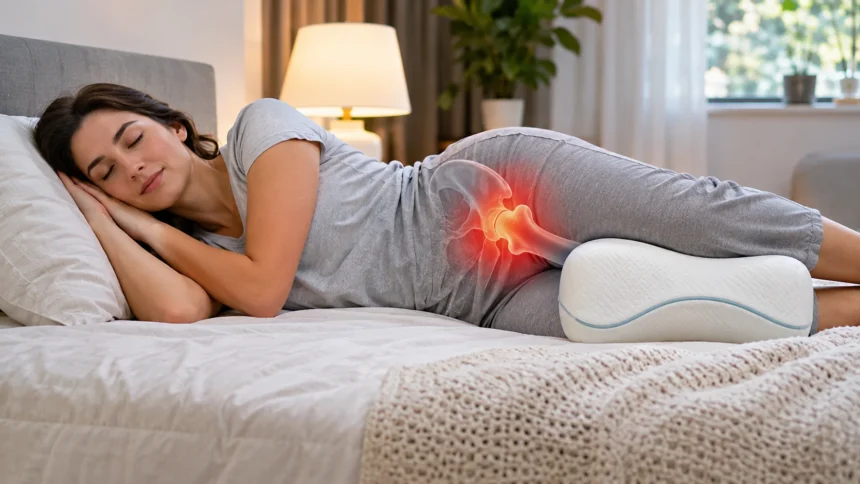
If you prefer sleeping on your side, try lying on the less painful side. Place a pillow between your knees and, if necessary, your ankles to keep the upper leg supported. This can prevent the top hip from dropping inward and placing additional strain on sensitive tissues. A sufficiently thick pillow often provides more support than a very thin one.
Stomach sleeping may feel uncomfortable for some people because it can place the hips and lower back in an awkward position. If this position increases symptoms, gradually experiment with side or back sleeping instead. Avoid forcing yourself into a position that causes additional pain. The best sleeping posture is one that provides comfort without increasing joint pressure.
How to Relieve Hip Pain While Sleeping on Your Side
Side sleeping can aggravate hip pain because it concentrates pressure on the outer hip. This is especially noticeable when gluteal tendons are irritated or the surrounding tissues are sensitive. If one hip hurts more than the other, avoid lying directly on that side when possible. Reducing prolonged pressure may help ease nighttime discomfort.
A pillow between the knees can help support the upper leg and maintain a more comfortable hip position. Ideally, the pillow should be thick enough to prevent the upper knee from falling significantly toward the mattress. Some people also benefit from placing support between their ankles. These adjustments can reduce strain without requiring a complete change in sleeping habits.
Try keeping your hips and knees comfortably bent rather than curling tightly into a ball. Excessive hip flexion or allowing the top leg to cross the body’s midline may aggravate certain outer hip conditions. A supportive mattress can also help distribute pressure. Small changes in positioning are often easier to maintain than attempting an entirely unfamiliar sleeping posture.
How to Relieve Hip Pain While Sleeping on Your Back
Sleeping on your back can be a comfortable option when side sleeping places pressure on painful hip tissues. This position avoids direct compression of the outer hip and may allow the legs to rest more evenly. However, some people with back or joint conditions find lying flat uncomfortable. Adjustments can help make the position more supportive.
Placing a pillow beneath your knees may reduce tension through the hips and lower back. Choose a pillow that provides gentle support without forcing the knees into an excessively bent position. Keep your legs in a relaxed position rather than holding them rigidly together. The goal is to reduce discomfort and support natural resting alignment.
If lying flat causes discomfort, consider slightly adjusting the height of your upper body or knee support. Avoid making large changes that create new pressure around the back or hips. People with breathing difficulties or other medical conditions may need specific sleeping arrangements. Comfort and individual health needs should guide your final sleeping position.
Can Your Mattress Cause Hip Pain at Night?
Your mattress can influence nighttime hip discomfort by changing how pressure is distributed across your body. A surface that feels excessively firm may increase pressure on the outer hip when side sleeping. Conversely, a mattress that allows excessive sinking may make certain positions uncomfortable. Neither firmness level is ideal for everyone.
A supportive mattress should allow comfortable positioning while limiting excessive pressure on sensitive areas. Some people prefer medium-firm surfaces, but individual preferences, body support needs, and existing conditions vary. Mattress age and uneven wear can also affect comfort. Notice whether your symptoms change when sleeping on a different surface.
Before replacing your mattress, consider simpler adjustments such as changing pillows or using a suitable mattress topper. These options may improve comfort without requiring a major purchase. However, mattress changes cannot treat arthritis, tendon problems, or other underlying medical conditions. Persistent pain should be assessed rather than attributed entirely to bedding.
How Pillows Help Reduce Hip Pain During Sleep
Pillows can provide targeted support when hip pain makes sleeping uncomfortable. A pillow between the knees is particularly useful for some side sleepers because it reduces the tendency of the upper leg to fall inward. This may decrease strain on sensitive structures around the hip. Proper pillow placement can also help maintain a relaxed sleeping position.
Back sleepers may benefit from placing a pillow under the knees. This adjustment can reduce tension through the lower back and surrounding muscles. A pillow should provide enough support to feel comfortable without holding the legs in an awkward position. Experimenting with different thicknesses can help identify the most suitable arrangement.
Body pillows offer another option for people who frequently change positions during sleep. They can support the arms and upper leg while helping maintain a comfortable side-lying posture. However, pillows should not force the hips into positions that increase pain. Choose supportive arrangements based on symptom relief rather than assuming one pillow setup works for everyone.
Home Remedies for Hip Pain at Night
Home remedies may help reduce mild hip discomfort and improve sleep quality. Applying a warm compress before bedtime can relax surrounding muscles and ease stiffness. Heat may be particularly comfortable when the hip feels tight after a long day. Use a safe temperature and avoid sleeping with an active heating pad against your skin.
Cold therapy may be more suitable when the outer hip feels irritated or painful after activity. Apply a cold pack wrapped in a towel for approximately 10 to 20 minutes, depending on comfort and medical guidance. Never place ice directly against the skin. People with impaired circulation or sensation should seek professional advice before using temperature treatments.
Gentle movement during the day can also support nighttime comfort. Avoiding all physical activity may increase stiffness and reduce muscle strength over time. However, activities that clearly aggravate symptoms may need temporary modification. Combining appropriate movement, comfortable sleeping positions, and sensible rest can help manage mild discomfort while the underlying cause is evaluated.
Gentle Stretches That May Help Hip Pain
Gentle stretching may improve comfort when hip pain involves muscle tightness. A comfortable hip flexor stretch can help people who experience stiffness after prolonged sitting. Move into the position slowly and avoid forcing the joint beyond its natural range. Stretching should feel mild rather than painful, and symptoms should not worsen afterward.
Some people also benefit from gentle movements that improve hip mobility. Lying on your back and slowly moving one knee toward your chest may feel comfortable if the joint tolerates it. However, this movement is not appropriate for everyone. People with certain hip conditions may experience increased discomfort when the hip bends deeply.
Avoid aggressive stretching of the outer hip when greater trochanteric pain syndrome or gluteal tendon irritation is suspected. Positions that bring the leg across the body may increase compression on sensitive tendons. A physical therapist can recommend suitable exercises based on the cause of your pain. The goal is comfortable mobility, not forcing additional flexibility.
Exercises to Strengthen the Hips and Reduce Pain
Strengthening the muscles surrounding the hips may improve joint support and everyday function. Gluteal muscles play an important role in stabilizing the pelvis during walking and standing. When these muscles become weak or poorly conditioned, certain movements may feel more demanding. Gradual strengthening can support rehabilitation for several common hip conditions.
A gentle bridge exercise may be appropriate for some people. Lie on your back with your knees bent, then slowly lift your hips a comfortable distance from the floor. Lower yourself with control and stop if discomfort increases. This movement should not be forced, particularly when the underlying cause of hip pain has not been identified.
Standing hip strengthening exercises may provide another option when lying on the painful side is uncomfortable. A therapist can recommend movements that strengthen the gluteal muscles without excessive compression of irritated tissues. Exercise intensity should increase gradually according to symptoms and individual ability. Consistency and appropriate technique are more useful than pushing through significant pain.
Hip Arthritis and Nighttime Pain
Hip osteoarthritis develops when cartilage and other joint structures gradually change, affecting how the hip functions. Common symptoms include groin discomfort, stiffness, and difficulty with certain movements. Pain may become more noticeable after prolonged activity or periods of rest. Some people also experience nighttime discomfort that interferes with sleep.
Maintaining appropriate movement is important for managing hip osteoarthritis. Low-impact activities such as comfortable walking, cycling, or water-based exercise may support joint function when tolerated. Strengthening the surrounding muscles can also improve physical capacity. However, exercise plans should reflect the severity of symptoms and any recommendations provided by a healthcare professional.
Treatment may include education, physical therapy, weight-neutral activity adjustments, suitable pain medication, or other medical interventions. A clinician may recommend further assessment when pain significantly affects daily activities or sleep. Severe arthritis sometimes requires surgical evaluation. Early management can improve comfort and help people remain active within their individual capabilities.
Hip Bursitis and Greater Trochanteric Pain Syndrome
Pain on the outside of the hip is frequently associated with greater trochanteric pain syndrome. This condition often involves irritation of the gluteal tendons and sometimes inflammation of nearby bursae. Symptoms commonly worsen when lying on the affected side or climbing stairs. Pressing the outer hip may also produce tenderness.
Reducing direct pressure is an important step in managing this type of discomfort. Sleeping on your back or the less painful side with appropriate pillow support may help. Avoid crossing your legs or adopting positions that repeatedly compress the painful outer hip. These adjustments can reduce irritation while allowing comfortable movement throughout the day.
Physical therapy often focuses on gradually strengthening the gluteal muscles and managing tendon loading. Symptoms may take time to improve, particularly when irritation has been present for several months. Some people require additional medical treatment when pain remains persistent. An accurate diagnosis is important because outer hip pain can also originate from other structures.
How Daily Habits Affect Hip Pain While Sleeping
Your daytime activities can influence how your hips feel when you go to bed. Prolonged sitting may contribute to stiffness, especially when movement is limited throughout the day. Taking regular opportunities to stand and move can improve comfort. Gentle activity breaks may also help prevent the hips from remaining in one position for extended periods.
Sudden increases in exercise intensity can aggravate sensitive muscles or tendons around the hip. Activities such as running, hill walking, or repetitive stair climbing may need temporary adjustments when symptoms develop. This does not mean all exercise should stop. Gradually modifying activity according to comfort can help maintain fitness while limiting unnecessary irritation.
Your evening routine may also influence sleep quality. Comfortable bedding, a consistent sleep schedule, and relaxing activities can make nighttime discomfort easier to manage. Avoid remaining in positions that clearly trigger pain before bedtime. While these habits cannot cure underlying joint conditions, they can support better rest alongside appropriate treatment.
Medical Treatments for Hip Pain While Sleeping
Medical treatment depends on the underlying cause of nighttime hip pain. A healthcare professional may recommend physical therapy, activity modifications, or medication after examining your symptoms. Treatment for tendon irritation differs from care for osteoarthritis or nerve-related pain. Identifying the cause helps avoid approaches that provide temporary relief without addressing the main problem.
Pain-relieving medicines may be appropriate for some people, but they require careful consideration. Nonsteroidal anti-inflammatory drugs can help certain inflammatory or painful conditions, although they may not be suitable for people with kidney problems, stomach ulcers, or other medical concerns. Ask a healthcare professional or pharmacist about safe medication choices and appropriate use.
Some patients may benefit from injections or specialist treatment when symptoms remain severe. Surgery is generally considered only for selected conditions that do not respond adequately to appropriate nonsurgical care. Rehabilitation may also be recommended after injuries or medical procedures. A personalized approach is essential because nighttime hip pain has several possible causes.
When Should You See a Doctor for Nighttime Hip Pain?
Consider arranging a medical appointment when hip pain repeatedly interrupts your sleep or continues despite reasonable self-care. Persistent discomfort, increasing stiffness, or difficulty walking may indicate an underlying condition requiring assessment. A clinician can examine the hip and surrounding structures to identify potential causes. Early evaluation may prevent prolonged limitations in everyday activities.
Certain symptoms require urgent medical attention. Severe hip pain after a fall, inability to bear weight, significant swelling, or a visibly abnormal joint position may indicate a serious injury. A hot, painful joint accompanied by fever can suggest infection. These symptoms should not be managed only with pillows, stretching, or home remedies.
Pain associated with unexplained fever, substantial unintentional weight loss, or a history of cancer also deserves prompt medical assessment. Numbness, progressive weakness, or changes in bladder or bowel control may indicate a serious neurological problem. Seek emergency care for sudden neurological symptoms or loss of bladder or bowel control. Appropriate evaluation helps identify conditions that require timely treatment.
Conclusion
Hip pain while sleeping can result from arthritis, tendon irritation, bursitis, muscle problems, or conditions affecting the lower back. The location of discomfort and the activities that trigger symptoms can provide useful clues. Understanding the possible cause is the first step toward choosing appropriate relief strategies and preventing unnecessary nighttime discomfort.
Simple changes such as adjusting your sleeping position, using supportive pillows, and modifying activities may help reduce pressure around sensitive areas. Gentle movement, suitable strengthening exercises, and safe temperature treatments can also support comfort. However, persistent symptoms may require medical assessment and a personalized rehabilitation plan.
If hip pain regularly interrupts your sleep, do not ignore it or assume that your mattress is always responsible. A healthcare professional can help identify the underlying problem and recommend suitable treatment. With appropriate management and comfortable sleeping arrangements, many people can reduce nighttime hip discomfort and improve their quality of rest.
Frequently Asked Questions (FAQs)
What is the fastest way to relieve hip pain while sleeping?
Changing to a comfortable sleeping position and using supportive pillows may provide immediate relief. Avoid direct pressure on the painful hip. Cold or gentle heat may also help, depending on the cause.
Why does my hip hurt when I sleep on my side?
Side sleeping places pressure on the outer hip, which may irritate sensitive tendons or nearby bursae. Greater trochanteric pain syndrome is one possible cause. Persistent pain should be assessed by a healthcare professional.
Is it better to sleep on your back or side with hip pain?
Back sleeping may reduce direct pressure on painful outer hip tissues. However, side sleeping with a pillow between the knees can also be comfortable. The best position depends on your symptoms and underlying condition.
Can a bad mattress cause hip pain at night?
An unsupportive mattress may contribute to hip discomfort by creating excessive pressure or uncomfortable positioning. However, persistent pain can also result from arthritis, tendon problems, or other medical conditions requiring evaluation.
What exercises help relieve hip pain at night?
Gentle mobility movements and gradual strengthening exercises may improve hip comfort and function. Bridges or therapist-recommended gluteal exercises can help some people. Avoid movements that increase pain, and seek guidance for persistent symptoms.