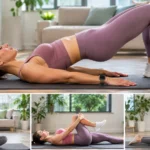

The dead bugs workout is a simple core exercise that helps improve abdominal strength, stability, and body coordination. Unlike traditional sit-ups or crunches, this movement focuses on keeping the trunk steady while the arms and legs move. It is commonly included in home workouts, beginner fitness programs, and physical therapy routines. You only need a comfortable exercise mat and enough floor space to get started.
The dead bugs workout is a bodyweight core exercise performed while lying on your back and moving opposite arms and legs in a controlled pattern. It primarily challenges the abdominal muscles while involving the hip flexors and other stabilizing muscles. When performed correctly, the exercise can help develop trunk control without requiring heavy equipment.
What Is the Dead Bugs Workout?
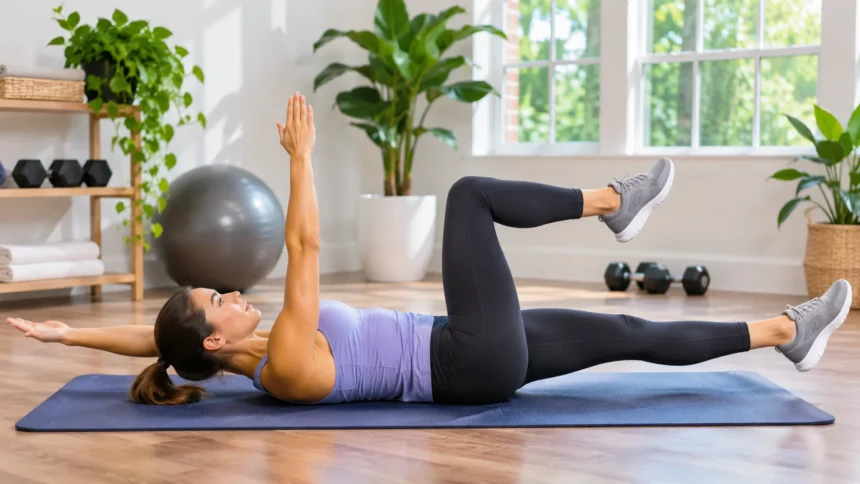
The dead bugs workout involves lying on your back with your arms raised and knees bent above your hips. From this position, you slowly extend one arm and the opposite leg while keeping your trunk steady. The movement is then repeated on the other side. This alternating pattern challenges coordination and abdominal control throughout each repetition.
The exercise gets its name from the starting position, which resembles an insect lying on its back. Although the name sounds unusual, the movement is widely used in fitness and rehabilitation. Its main purpose is to develop core stability while the limbs move independently. The exercise can be adjusted for different experience levels.
Dead bugs are often described as an anti-extension exercise because the abdominal muscles work to resist excessive arching of the lower back. This helps develop control over the position of the trunk and pelvis. Unlike exercises focused mainly on repeated spinal bending, dead bugs emphasize maintaining stability. Their controlled nature makes them useful in many training routines.
What Muscles Do Dead Bugs Work?
The dead bug exercise primarily challenges the abdominal muscles responsible for stabilizing the trunk. These include the rectus abdominis, transverse abdominis, and internal and external obliques. The muscles work together to control spinal movement as the arms and legs extend. This coordinated effort helps maintain a comfortable position throughout the exercise.
The hip flexors also participate when the legs move and return to the starting position. Muscles around the shoulders help control the reaching arms. Meanwhile, deeper stabilizing muscles contribute to maintaining a steady pelvis and trunk. The amount of muscular effort depends on how far the limbs extend and how slowly the movement is performed.
Although dead bugs involve several muscle groups, they are not designed to train every muscle equally. Their main focus is abdominal stability and coordination rather than maximum muscular strength. Other exercises are useful for developing the hips, back, and lower body more directly. Combining different movements creates a more balanced fitness program.
Major Benefits of the Dead Bugs Workout
One of the main benefits of dead bugs is improved core stability. The exercise challenges your abdominal muscles to control the trunk while the limbs move in opposite directions. Practicing this skill can support everyday activities that involve reaching, carrying, and changing positions. The movement focuses on coordination instead of using heavy resistance.
Another benefit is improved body awareness. During each repetition, you must pay attention to your breathing, pelvis, and lower-back position. This encourages controlled movement rather than relying on momentum. Over time, practice may make it easier to recognize when your trunk begins shifting during other exercises.
Dead bugs are also convenient because they require little equipment. They can be performed at home, in a gym, or as part of an appropriately designed rehabilitation program. Several modifications allow beginners to reduce the difficulty. However, results depend on technique, consistency, and whether the exercise suits individual physical needs.
How to Do the Dead Bug Exercise Correctly
Begin by lying on your back on a comfortable, stable surface. Raise both arms toward the ceiling and bend your knees to approximately 90 degrees above your hips. Keep your shoulders relaxed and your head resting comfortably. Gently engage your abdominal muscles to maintain a steady trunk.
Slowly extend your right arm behind your head while lowering your left leg toward the floor. Move only as far as you can without excessive lower-back arching or discomfort. Keep the remaining arm and leg steady. Avoid reaching farther simply to make the movement appear more challenging.
Return the extended limbs to their starting positions with control. Repeat the same movement using your left arm and right leg. Continue alternating sides while breathing naturally. Focus on maintaining a comfortable spinal position and avoiding unnecessary movement through the pelvis.
Why Proper Dead Bug Form Matters
Proper form helps ensure that the abdominal muscles perform the intended stabilizing work. When the lower back arches excessively, the exercise may become more difficult to control. This can shift the movement away from its main purpose. A smaller range performed correctly is often more useful than an exaggerated extension.
Your head and shoulders should remain relaxed against the exercise surface. Lifting the neck unnecessarily can create tension that distracts from abdominal control. Keep the arms and legs moving smoothly rather than allowing them to drop. Each repetition should feel deliberate and manageable.
Breathing also influences how comfortably you perform the exercise. Holding your breath may create unnecessary tension, particularly during longer sets. Try exhaling gently as the limbs extend and inhaling during the return. However, use a breathing pattern that allows you to remain comfortable and maintain control.
Dead Bugs for Core Strength and Stability
Core strength involves the muscles surrounding the abdomen, back, and pelvis. These muscles contribute to controlling movement and maintaining trunk stability during physical activities. Dead bugs challenge them by creating movement through the arms and legs. The abdominal muscles must respond to keep the torso relatively steady.
The exercise is particularly useful for practicing resistance to spinal extension. As a leg moves toward the floor, the trunk may naturally tend to arch. The abdominal muscles work to limit this motion. Learning to control that tendency can support better coordination during other exercises.
Dead bugs can complement planks, bird dogs, and other stability-focused movements. Each exercise challenges the trunk from a different position. Including more than one type of core exercise may provide broader training benefits. Choose movements that allow comfortable technique and gradual progression.
Dead Bug Exercise for Lower Back Support
Dead bugs are frequently included in programs intended to improve trunk control and support the lower back. The movement encourages abdominal engagement while the spine remains relatively stable. Some people find this approach more comfortable than repeated crunches or sit-ups. However, individual responses depend on physical condition and technique.
The exercise may help strengthen muscles involved in managing forces around the lower back. Better muscular control can support certain everyday movements. Nevertheless, dead bugs cannot correct every cause of back pain. Their usefulness depends on the underlying condition and the overall exercise program.
If you experience persistent or worsening back pain, seek advice from a qualified healthcare professional. Stop the exercise if it causes sharp pain, spreading symptoms, or increasing discomfort. A physical therapist may recommend modifications when appropriate. Exercise should support comfortable movement rather than become a source of additional pain.
How Dead Bugs Improve Coordination
Dead bugs require the opposite arm and leg to move together in a controlled pattern. This challenges coordination between different parts of the body. The brain must organize limb movement while the trunk remains steady. Practicing the sequence may improve awareness of how these movements work together.
Beginners sometimes find the alternating pattern confusing. Moving the same-side arm and leg by mistake is common when learning the exercise. Starting with smaller movements can make the sequence easier to understand. There is no need to rush or complete complicated repetitions immediately.
Coordination usually improves through repeated, comfortable practice. Once the movement feels familiar, you can gradually extend the limbs farther. Maintaining control remains more important than performing the sequence quickly. The exercise provides an opportunity to develop both movement accuracy and abdominal stability.
Dead Bugs Workout for Beginners
Beginners can make dead bugs easier by keeping the arms stationary and moving one leg at a time. Begin with your back supported and knees bent comfortably. Slowly lower one heel toward the floor before returning it. Repeat with the opposite leg while maintaining a steady pelvis.
Another beginner-friendly variation involves keeping both feet on the floor. Lift one foot slightly and return it before switching sides. This reduces the challenge of supporting both legs in the air. It can help people become familiar with gentle abdominal engagement before progressing.
Start with a small number of slow repetitions. Five to eight movements on each side may be sufficient for initial practice, depending on comfort. Rest when necessary and avoid pushing through discomfort. Increase the range or difficulty only when the simpler version feels manageable.
Advanced Dead Bug Exercise Variations
Once the standard dead bug becomes comfortable, you can increase the challenge through controlled variations. One option involves extending the leg closer to the floor while maintaining trunk stability. This increases the demand on the abdominal muscles. However, the movement should remain comfortable and free from excessive spinal arching.
Another variation includes holding a lightweight exercise band or suitable resistance accessory. Added resistance can change how the shoulders and trunk must work together. However, resistance is not necessary for everyone. A correctly performed bodyweight dead bug can remain challenging when the movements are slow and deliberate.
Some experienced individuals use longer pauses during each extension. Holding the position briefly increases the time the stabilizing muscles remain active. This can create additional difficulty without requiring equipment. Progress gradually and stop if you lose control of your lower-back position.
Dead Bug Exercise vs Bird Dog Exercise
Dead bugs and bird dogs both challenge core stability through coordinated arm and leg movement. However, they use different starting positions. Dead bugs are performed while lying on the back. Bird dogs are performed on hands and knees while extending opposite limbs.
Dead bugs emphasize controlling the trunk against the tendency to arch during leg extension. Bird dogs challenge stability while the body is supported through the hands and knees. Both involve abdominal and back stabilizing muscles. Their different positions create useful training variety.
Some people find dead bugs more comfortable because they do not require supporting body weight through the wrists. Others prefer bird dogs because lying on the back may be uncomfortable. Neither exercise is automatically better for everyone. Choosing between them depends on individual needs, comfort, and fitness goals.
Dead Bugs vs Planks: Which Is Better?
Dead bugs and planks both train core stability, but they create different challenges. A traditional plank involves holding a relatively steady body position against gravity. Dead bugs require controlled limb movement while the trunk resists excessive extension. Both can contribute to a balanced abdominal strengthening routine.
Planks generally place more body weight through the arms and shoulders. Dead bugs are performed with the back supported by the floor. This may make them more comfortable for some beginners. However, the difficulty of each exercise depends on the chosen variation and individual ability.
There is no need to select only one exercise. A fitness routine may include both static holds and controlled movement-based exercises. They can help develop different aspects of core function. The best combination is one that matches your ability and allows consistent, comfortable technique.
Common Dead Bug Exercise Mistakes to Avoid
One common mistake is lowering the leg too far before the abdominal muscles can maintain control. This may cause the lower back to arch excessively. Reducing the movement range makes the exercise easier to manage. Focus on steady positioning rather than trying to reach the floor.
Another mistake involves moving the limbs too quickly. Fast repetitions may rely on momentum and reduce attention to trunk stability. Slow movements provide more opportunities to notice changes in alignment. Maintaining smooth control helps preserve the purpose of the exercise.
Some people also lift their heads or tense their shoulders unnecessarily. This can create discomfort and distract from the intended movement. Keep the neck relaxed and use a comfortable breathing pattern. Stop if you experience pain or symptoms that do not feel like ordinary muscular effort.
How Many Dead Bug Reps and Sets Should You Do?
The appropriate number of repetitions depends on experience, exercise variation, and movement quality. Beginners may start with approximately five to eight repetitions on each side. One or two sets can provide useful practice. There is no requirement to continue until the abdominal muscles become completely exhausted.
People who already perform core exercises may choose eight to twelve controlled repetitions on each side. The exact amount should remain manageable without losing technique. Longer pauses or slightly greater limb extension can increase difficulty when appropriate. Progression should be gradual rather than based on strict targets.
Rest between sets whenever necessary. If your lower back begins arching excessively or your coordination declines, finish the set or use an easier variation. Quality matters more than high repetition counts. A short, well-controlled session can provide useful training without unnecessary strain.
How Often Should You Do Dead Bug Exercises?
Dead bugs can be included in a regular fitness routine according to your goals and recovery needs. Some people perform them during warm-ups, while others use them in dedicated core sessions. The exercise does not need to be completed every day to be useful. Consistency over time matters more than following a rigid schedule.
Beginners may find two or three sessions per week manageable. Others may practice gentle variations more frequently when comfortable. The best frequency depends on the difficulty and total exercise workload. Allow time for recovery when the muscles feel unusually fatigued.
Dead bugs should also fit alongside other forms of physical activity. Walking, strength exercises, and mobility work address different aspects of fitness. A balanced routine generally provides more complete benefits than repeatedly performing one movement. Adjust your schedule according to comfort, energy, and personal needs.
When Is the Best Time to Do Dead Bugs?
Dead bugs can be performed before a workout as part of a gentle warm-up. Their controlled movement pattern may help improve awareness of abdominal engagement. This can be useful before certain strength exercises. However, a complete warm-up should match the activity you are preparing to perform.
They can also be included during a dedicated core workout. Combining dead bugs with other appropriate movements creates variety within the session. Some people prefer them near the beginning when they can focus on technique. Others use an easier version toward the end of a workout.
There is no universally best time of day to perform dead bugs. Morning, afternoon, and evening sessions can all be suitable. Choose a time when you have enough space and can move without rushing. A convenient routine is generally easier to maintain consistently.
Who Should Be Careful With Dead Bug Exercises?
Although dead bugs are generally considered a low-impact movement, they may not be suitable for everyone. People with certain back, hip, or abdominal conditions may experience discomfort in the starting position. Some individuals may need modifications. Personal circumstances should guide exercise selection.
People recovering from surgery or experiencing persistent pain should seek professional guidance before starting unfamiliar exercises. The same applies when movement produces numbness, weakness, or pain spreading into the limbs. These symptoms may require assessment. Avoid assuming an exercise is appropriate simply because it is commonly included in rehabilitation routines.
Pregnancy and postpartum recovery may also affect which variations are comfortable. Some individuals can perform modified dead bugs, while others may benefit from different movements. A qualified healthcare professional can provide personalized recommendations. The goal should always be safe, controlled activity rather than completing a specific exercise.
How to Include Dead Bugs in a Core Workout
Dead bugs can be one part of a simple core workout that includes different stability challenges. For example, you might combine controlled dead bugs with modified planks and bird dogs. Each exercise uses a different body position. This variety can help train coordination and muscular control across several movements.
Start with manageable repetitions and enough rest between exercises. Avoid adding difficulty simply to make the workout feel more intense. The purpose of stability training is to maintain control while performing suitable movements. When technique begins deteriorating, reduce the challenge or finish the session.
A balanced program should also include appropriate exercises for the legs, hips, and upper body. Dead bugs mainly focus on the trunk and coordinated limb movement. They cannot replace every other form of strength training. Combining different activities supports more complete physical development.
Tips to Make Your Dead Bugs Workout More Effective
One of the best tips is to prioritize a steady trunk over large arm and leg movements. Extend the limbs only as far as you can while maintaining comfortable control. Small adjustments can significantly change the difficulty. A controlled repetition is more useful than an exaggerated movement performed with poor technique.
Use a comfortable mat and a stable floor surface. Keep your shoulders relaxed and your breathing natural throughout the exercise. If you cannot maintain control with both legs raised, return one foot to the floor. Modifications are practical tools for learning rather than signs of failure.
Finally, increase difficulty gradually as your coordination improves. Longer pauses, slightly greater extension, or suitable resistance may provide additional challenges. However, advanced variations are not necessary for everyone. Regular practice with appropriate technique can make dead bugs a useful part of a balanced fitness routine.
Conclusion
The dead bugs workout is a practical core exercise that helps develop abdominal stability, coordination, and controlled movement. It involves extending opposite arms and legs while keeping the trunk steady. The movement challenges several muscles involved in supporting the spine and pelvis. Its simple setup makes it suitable for many home workouts and beginner fitness routines.
Proper technique is essential for achieving the intended benefits. Keeping the lower back comfortable, moving slowly, and breathing naturally helps maintain control. Beginners can start with heel taps or single-leg movements before progressing to the full exercise. The movement should remain comfortable and should not cause sharp or worsening pain.
Dead bugs can complement other core exercises, strength training, and general physical activity. Their main benefit comes from practicing controlled movement rather than completing excessive repetitions. Choose variations that match your current ability and progress gradually. With consistent practice, dead bugs can become a useful part of a well-rounded exercise routine.
Frequently Asked Questions (FAQs)
What Is the Dead Bugs Workout Good For?
The dead bugs workout helps improve core stability, abdominal muscle control, and coordination. It challenges the trunk to remain steady while opposite arms and legs move through controlled positions.
Do Dead Bugs Help Strengthen Your Abs?
Yes, dead bugs activate the rectus abdominis, transverse abdominis, and oblique muscles. They primarily develop abdominal stability and control rather than focusing on repeated spinal bending or maximum resistance.
How Many Dead Bug Reps Should Beginners Do?
Beginners can start with approximately five to eight controlled repetitions on each side for one or two sets. The ideal number depends on comfort, coordination, and the ability to maintain proper technique.
Are Dead Bugs Safe for Lower Back Pain?
Dead bugs may be suitable for some people with lower back discomfort, but individual responses vary. Persistent pain, spreading symptoms, or weakness should be evaluated by a qualified healthcare professional.
What Is the Difference Between Dead Bugs and Bird Dogs?
Dead bugs are performed lying on the back, while bird dogs begin on hands and knees. Both challenge core stability through opposite arm and leg movements but use different support positions.