
What Is Psoas Muscle Release?
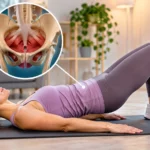
Psoas muscle release refers to gentle stretching, positioning, movement, or hands-on techniques intended to reduce discomfort and improve movement around the hip flexors. The psoas is a deep muscle that connects the lower spine to the thigh. It plays an important role in walking, lifting your legs, and maintaining body stability. When the surrounding muscles feel stiff or uncomfortable, controlled exercises may help improve mobility.
The psoas muscle works closely with the iliacus muscle to form the iliopsoas, an important hip-flexor group. These muscles support everyday movements such as climbing stairs, standing up, and bending at the hips. Prolonged sitting, unfamiliar exercise, or increased physical activity may contribute to discomfort in this region. However, tightness is not always the underlying cause of hip or lower-back pain.
Psoas release techniques commonly include gentle hip-flexor stretches, relaxed breathing, and controlled mobility exercises. Some healthcare professionals also use manual therapy as part of a broader treatment plan. These approaches may provide temporary symptom relief, but they do not physically detach or permanently loosen the muscle. Understanding the benefits and limitations helps you practice more safely.
Understanding the Psoas Muscle and Its Function
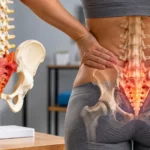
The psoas major is a long, deep muscle located on both sides of the lower spine. It begins along the lumbar vertebrae and connects to the upper part of the femur. Its primary function involves bending the hip and helping move the thigh toward the torso. It also contributes to controlling movement around the spine and pelvis.
The psoas works with several surrounding muscles during normal activities. These include the iliacus, abdominal muscles, glutes, and other muscles involved in hip movement. Together, they help coordinate walking, running, climbing, and changes in body position. Healthy movement depends on the combined strength and flexibility of these structures rather than the condition of one muscle alone.
Because the psoas lies deep within the body, it cannot be assessed as easily as superficial muscles. Discomfort near the hip or lower back may involve several different tissues. Therefore, feeling pain in this region does not automatically mean the psoas is tight. A healthcare professional can help identify possible causes when symptoms persist or interfere with daily activities.
Common Signs of Psoas Muscle Tightness
People experiencing hip-flexor discomfort sometimes describe stiffness near the front of the hip or upper thigh. The sensation may become more noticeable after sitting for extended periods or performing unfamiliar exercises. Some individuals also report difficulty moving comfortably into certain hip positions. However, these symptoms are not specific enough to confirm psoas muscle tightness.
Discomfort around the lower back or groin can occasionally occur alongside hip-flexor problems. The psoas contributes to movement around both the hip and lumbar spine, which explains why symptoms may overlap. Still, several other muscles, joints, and medical conditions can produce similar sensations. Identifying the actual source of discomfort is important before attempting targeted treatment.
Restricted movement may also become noticeable during walking, stretching, or athletic activities. For example, extending the hip backward might feel uncomfortable or limited. This does not necessarily mean the muscle needs to be stretched aggressively. If stiffness is accompanied by significant pain, weakness, numbness, or worsening symptoms, professional assessment is more appropriate than repeated self-treatment.
Potential Benefits of Psoas Muscle Release
One potential benefit of gentle psoas muscle release exercises is improved comfort during hip movement. Controlled stretching may temporarily reduce feelings of tightness in some people. Regular mobility practice can also help maintain a comfortable range of motion. However, results vary, and there is limited evidence that any particular release technique provides lasting benefits specifically by changing the psoas muscle.
Gentle movement may also help people become more aware of their hip and pelvic positioning. Slow exercises encourage controlled movement rather than forcing the body into uncomfortable positions. This awareness can support participation in broader mobility and strengthening routines. Nevertheless, stretching alone is not a proven treatment for every type of lower-back or hip discomfort.
Another possible benefit is relaxation during a structured movement routine. Combining comfortable positions with steady breathing may reduce general muscle tension and encourage calmer movement. These effects can make stretching feel more manageable. However, claims that psoas release removes stored emotional trauma or cures chronic pain are not supported by reliable scientific evidence.
What Causes Psoas Muscle Tightness?
Prolonged sitting is commonly associated with a feeling of stiffness around the front of the hips. During sitting, the hips remain flexed for an extended period, and movement opportunities may become limited. Some people notice discomfort when standing after sitting for several hours. However, sitting does not automatically shorten the psoas muscle or create a medical problem.
Changes in physical activity can also contribute to hip-flexor discomfort. Running, cycling, climbing stairs, and exercises involving repeated leg lifting place demands on the iliopsoas. A sudden increase in training intensity may leave the surrounding muscles feeling sore or fatigued. Gradually adjusting activity levels can help manage these demands without unnecessarily avoiding normal movement.
Other factors include reduced movement variety, muscular weakness, previous injury, and certain hip or spinal conditions. Pain itself can also cause protective muscle tension, making an area feel unusually tight. For this reason, stretching may not always address the underlying issue. Persistent symptoms deserve proper evaluation rather than assuming that muscle tightness explains every problem.
How to Prepare for Psoas Release Exercises
Before attempting psoas release exercises, begin by checking how your hips and lower back feel. Notice whether ordinary movements cause discomfort, stiffness, or unusual symptoms. Choose a quiet space with enough room to move comfortably. A supportive exercise mat or folded towel may make floor-based positions more comfortable without requiring specialized equipment.
Start with a few minutes of gentle movement to prepare your body. Comfortable walking or slow hip movements can help you become familiar with your available range of motion. Avoid forcing stretches when your muscles feel especially sensitive. Warm-up movements should feel manageable and should not produce sharp pain or increase symptoms.
Breathing is another useful part of preparing for mobility exercises. Take slow, comfortable breaths and avoid holding your breath while changing positions. Keep your shoulders and abdominal muscles relaxed without sacrificing stability. If you have a recent injury, significant abdominal or hip pain, or a medical condition affecting movement, consult a qualified healthcare professional before beginning.
Gentle Kneeling Hip Flexor Stretch
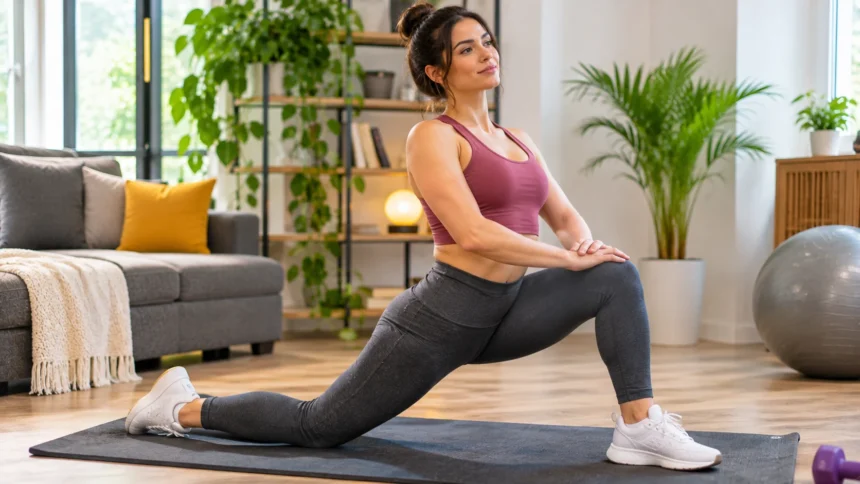
The kneeling hip flexor stretch is a common exercise used to improve comfort around the front of the hip. Begin in a half-kneeling position with one knee resting on a padded surface. Place the opposite foot in front with the knee bent comfortably. Keep your torso upright and use a stable support if balance feels difficult.
Gently move your pelvis forward until you notice a mild stretch near the front of the hip on the kneeling side. You may find it helpful to slightly tuck your pelvis without rounding your back excessively. Avoid leaning far forward or forcing the hip into an uncomfortable position. The goal is a comfortable stretching sensation rather than maximum movement.
Hold the position briefly while breathing normally, then return to your starting position. Repeat on the opposite side if the movement remains comfortable. You can adjust the position or shorten the hold according to your needs. People with knee discomfort may prefer a standing variation instead of placing pressure directly on the kneeling joint.
Supine Hip Flexor Stretch for Gentle Mobility
A supine hip flexor stretch provides another option for exploring comfortable movement around the hips. This exercise is typically performed while lying on your back near the edge of a stable exercise surface. One knee is brought gently toward the chest while the other thigh remains relaxed. The position should be adjusted to avoid excessive strain or pressure.
Begin by lying comfortably on a secure, sufficiently wide surface. Bend one knee toward your chest without pulling forcefully, and allow the opposite leg to remain in a comfortable position. You may notice a mild stretch near the front of the opposite hip. Avoid letting your lower back arch excessively or allowing your leg to hang unsupported.
This exercise is not suitable for everyone, particularly when balance or surface stability is a concern. A floor-based alternative may be preferable if you cannot safely position yourself on an elevated surface. Stop if the movement causes hip, back, or groin pain. Comfortable positioning matters more than achieving a particular stretch depth.
Using Breathing and Relaxation for Hip Comfort
Relaxed breathing can complement gentle mobility exercises by encouraging slower, more controlled movement. Begin in a comfortable position, such as lying on your back with your knees supported. Breathe naturally and allow your abdomen and rib cage to move without forcing deep inhalations. Focus on maintaining comfort rather than trying to manipulate the psoas directly.
Some people find that gentle breathing helps reduce the urge to tense their shoulders, abdomen, or hips. This can make certain stretches feel easier to perform. However, breathing exercises do not specifically release a shortened psoas muscle or correct structural problems. Their main value lies in relaxation, body awareness, and comfortable participation in movement.
You can combine a few relaxed breaths with gentle changes in hip position. Move slowly and avoid pushing into painful ranges of motion. If stretching creates discomfort, return to a more neutral position and rest. Breathing should remain comfortable throughout the exercise, without dizziness, breath-holding, or unnecessary strain.
Can Massage Help With Psoas Muscle Release?
Massage and manual therapy are sometimes used to address discomfort around the hip-flexor region. A qualified physical therapist may assess surrounding muscles and use appropriate hands-on techniques when indicated. Some people experience temporary relief after treatment. However, direct access to the deep psoas is difficult, and the benefits of specific psoas release techniques remain uncertain.
Self-massage around the hips should be approached carefully because several sensitive structures lie near the muscle. Deep abdominal pressure is particularly concerning because important organs, blood vessels, and nerves occupy this region. Avoid pressing massage balls, rollers, or hard tools deeply into your abdomen. Aggressive pressure is unnecessary and may cause harm.
A safer approach often involves gentle movement and professionally guided exercises rather than forceful attempts to reach the muscle. Massage of more superficial surrounding tissues may feel comfortable for some individuals. However, it should not replace appropriate assessment when symptoms persist. Choose a qualified clinician who explains the purpose, potential benefits, and limitations of any proposed manual technique.
Psoas Muscle Release and Lower Back Pain
The psoas connects to the lumbar spine, which is why it is sometimes discussed in relation to lower-back discomfort. Its role in hip movement and spinal stability makes it relevant to overall movement mechanics. However, lower-back pain has many possible causes. A painful back does not automatically indicate that the psoas requires stretching or manual release.
Some individuals may experience temporary relief from comfortable hip-flexor stretching or gentle exercise. Others may benefit more from strengthening, walking, activity modification, or a broader rehabilitation program. The best approach depends on the individual’s symptoms and medical history. There is insufficient evidence to recommend psoas release as a universal treatment for lower-back pain.
If back discomfort continues, consider an assessment with a qualified healthcare professional. They can evaluate movement patterns, neurological symptoms, and possible contributing conditions. Seek urgent medical attention for back pain accompanied by new bladder or bowel dysfunction, significant leg weakness, or numbness around the groin. These symptoms require assessment rather than home stretching.
Psoas Release vs Hip Flexor Strengthening
Stretching and strengthening serve different purposes when caring for the hip-flexor muscles. Stretching focuses on moving tissues through a comfortable range of motion and may temporarily reduce stiffness. Strengthening helps muscles produce and control force during everyday activities. Both approaches can be useful, depending on individual needs and the underlying cause of discomfort.
Hip-flexor strengthening exercises may include controlled marching movements, resisted knee lifts, and other appropriately selected activities. These movements challenge the muscles while encouraging coordination with surrounding structures. Begin with manageable resistance and avoid exercises that aggravate symptoms. Building strength gradually can support functional movement without relying exclusively on passive stretching.
A balanced exercise program often includes strengthening for the glutes, abdominal muscles, and other muscles around the hips. These structures work together during walking, standing, and athletic activities. Focusing only on releasing one muscle may overlook important contributors to movement comfort. A physical therapist can help determine which exercises are appropriate for persistent or recurring symptoms.
Common Psoas Release Mistakes to Avoid
One common mistake is stretching too aggressively because the front of the hip feels tight. Excessive force can irritate sensitive tissues and make symptoms worse. A mild, comfortable stretch is generally preferable to pushing through pain. Stop or modify the movement whenever discomfort increases instead of assuming that greater intensity will produce better results.
Another mistake is attempting deep abdominal massage without professional guidance. The psoas is located beneath several layers of tissue near important internal structures. Applying strong pressure with fingers or massage tools is not a reliable way to isolate the muscle. Avoid techniques that promise immediate release through forceful pressure or unusually painful manipulation.
It is also important not to treat every hip or lower-back symptom as a psoas problem. Joint conditions, nerve irritation, muscle strains, and other health concerns can cause overlapping symptoms. Repeated stretching may delay appropriate care when the underlying cause remains unidentified. Seek guidance when discomfort persists, worsens, or interferes with normal movement.
Safety Tips for Psoas Muscle Release
Psoas muscle release exercises should remain gentle, controlled, and comfortable. Begin with simple positions and avoid forcing your body beyond its natural range of motion. Stop immediately if a movement causes sharp pain, dizziness, numbness, or unusual discomfort. Mild stretching sensations may be acceptable, but pain should never be treated as proof that a technique is working.
People recovering from surgery or managing hip, spinal, abdominal, or pelvic conditions may require additional precautions. Pregnancy and certain medical conditions can also affect which positions and manual techniques are appropriate. Avoid direct abdominal pressure unless a qualified healthcare professional has specifically determined that an intervention is suitable. Individual assessment is particularly important when symptoms are unexplained.
Persistent groin pain, fever, significant abdominal pain, or difficulty bearing weight deserves medical attention rather than self-directed muscle release. Seek urgent care for sudden severe symptoms or concerning neurological changes. For ordinary stiffness, begin with manageable movement and monitor your response. Safe exercise should support daily function without repeatedly increasing pain or causing new symptoms.
How Often Should You Practice Psoas Release?
The appropriate frequency for gentle hip-flexor mobility exercises depends on your symptoms, comfort, and overall activity level. Some people find occasional stretching helpful after extended periods of sitting. Others prefer including gentle movements in their regular exercise routine. There is no established schedule that guarantees effective psoas release for everyone.
Start with brief, comfortable sessions rather than performing repeated aggressive stretches. A few controlled movements may be enough to determine whether an exercise feels helpful. Pay attention to how your hips respond during and after the session. If discomfort increases or lasts longer than expected, reduce the intensity or seek professional guidance.
Consistency matters more than forcing a particular number of repetitions or minutes. Regular walking, varied movement, and appropriate strengthening can complement mobility exercises. Avoid relying on stretching as the only strategy for managing recurring symptoms. A balanced routine that reflects your abilities and daily activities is generally more practical for maintaining comfortable movement.
Conclusion
Psoas muscle release involves gentle movement, stretching, relaxation, or professionally guided techniques intended to improve comfort around the hip flexors. The psoas is an important muscle that contributes to walking, hip movement, and spinal stability. Although some techniques may provide temporary relief, they do not guarantee permanent changes in muscle length. Understanding these limitations supports realistic expectations.
Safety should remain the priority when exploring hip-flexor stretches or other mobility exercises. Avoid aggressive stretching, painful manipulation, and deep abdominal pressure with massage tools. Choose controlled movements that feel comfortable and stop whenever symptoms become concerning. Persistent hip, groin, or lower-back pain should be evaluated rather than automatically attributed to psoas tightness.
A balanced approach to hip health includes regular movement, appropriate strengthening, and comfortable mobility practice. You do not need to force a muscle release to maintain normal function. Individual needs vary according to physical condition, activity level, and medical history. With sensible exercise choices and professional guidance when necessary, you can support healthier and more comfortable movement.
Frequently Asked Questions
What Does Psoas Muscle Release Feel Like?
Gentle psoas release exercises may create a mild stretching sensation near the front of the hip. Some people experience temporary relief from stiffness, but sharp pain or strong abdominal pressure is not normal or necessary.
Can You Release Your Psoas Muscle at Home?
You can practice gentle hip-flexor stretches and mobility exercises at home when they are comfortable and appropriate for your health. Avoid aggressive self-massage or deep abdominal pressure intended to reach the psoas directly.
How Long Does It Take to Release a Tight Psoas?
There is no established time required to release a tight psoas. Some people notice temporary comfort after gentle movement, while persistent symptoms may require assessment, strengthening, or a broader rehabilitation approach.
Can Psoas Muscle Tightness Cause Lower Back Pain?
The psoas contributes to hip movement and spinal stability, so problems involving this region may sometimes accompany lower-back discomfort. However, back pain has many causes, and psoas tightness should not be assumed without assessment.
Is Psoas Muscle Release Safe for Everyone?
No. Certain injuries, medical conditions, and unexplained symptoms may make particular stretches or manual techniques unsuitable. People with significant pain or relevant health concerns should seek individualized professional advice before attempting targeted release exercises.