

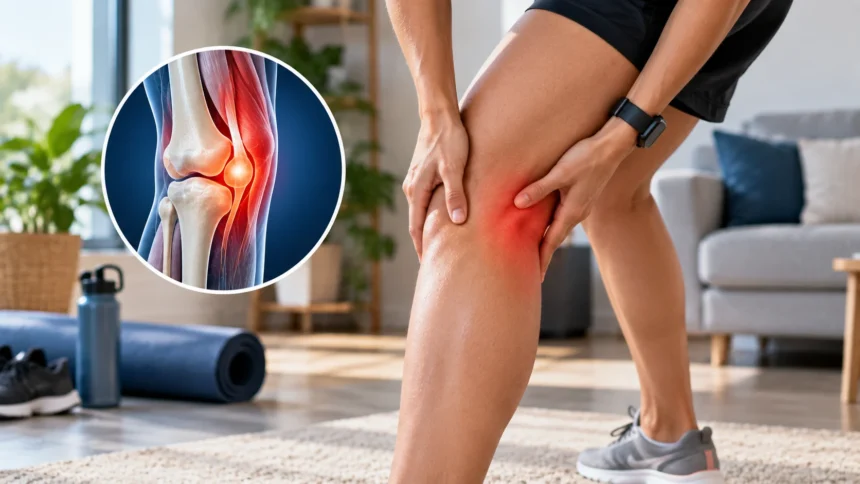
Pain behind the knee can come from several different structures, including muscles, tendons, joints, fluid-filled sacs, or blood vessels. Some causes are mild and improve with rest, while others need medical attention. The location and type of pain, along with swelling, stiffness, injury history, and other symptoms, can offer useful clues about what may be happening.
Because the back of the knee contains important nerves and blood vessels, persistent or severe pain should not always be treated as a simple strain. Sudden swelling, warmth, redness, shortness of breath, or difficulty walking deserve particular attention. Understanding common causes and warning signs can help you decide when home care may be reasonable and when professional evaluation is safer.
What Does Pain Behind the Knee Mean?
Pain behind the knee may feel like a dull ache, sharp pull, pressure, stiffness, or tight sensation. It can appear during walking, bending, running, squatting, or sitting for long periods. The exact feeling often depends on whether the problem involves muscles, tendons, joint structures, inflammation, or circulation.
Some people notice pain only after exercise, while others feel discomfort even at rest. Swelling or a feeling of fullness behind the knee may suggest fluid accumulation, while pain extending into the calf can have several possible causes. Symptoms should always be considered together rather than using pain location alone to identify the condition.
The knee is a complex joint, and discomfort from nearby structures can sometimes be felt in the same general area. Hamstring tendons, calf muscles, cartilage, ligaments, and the joint capsule all contribute to movement. This overlap is why persistent pain often requires examination instead of relying entirely on self-diagnosis.
Muscle and Tendon Strains Can Cause Back-of-Knee Pain
The hamstrings run down the back of the thigh and attach near the knee, so a strain can create pain close to the back of the joint. This often occurs after sprinting, sudden acceleration, jumping, or overstretching. You may feel tenderness, tightness, or discomfort when bending the knee or extending the leg.
The upper calf muscle can also become strained and produce pain behind or just below the knee. Calf strains are common during running, fast changes of direction, or explosive movements. Symptoms may include soreness, weakness, swelling, or pain when pushing through the foot during walking.
Mild strains often improve with temporary activity modification and gradual return to movement. However, sudden severe pain, significant bruising, inability to bear weight, or major weakness may indicate a more serious muscle or tendon injury. These symptoms should be assessed rather than repeatedly stretched or exercised through.
Baker’s Cyst May Cause Pressure Behind the Knee
A Baker’s cyst is a fluid-filled swelling that can develop behind the knee. It often forms when excess joint fluid collects in a small sac at the back of the joint. People may notice a visible lump, tightness, stiffness, or pressure that becomes more noticeable when the knee is fully bent or straightened.
Baker’s cysts are often associated with another knee problem that causes inflammation, such as arthritis or certain cartilage injuries. The cyst itself may not always be the main problem. Treating the underlying source of joint irritation can therefore be important when symptoms repeatedly return.
Occasionally, a Baker’s cyst can rupture and cause fluid to move down into the calf. This may produce sudden pain and swelling that can resemble symptoms of a blood clot. Because those conditions can look similar, new significant calf swelling should be medically evaluated rather than assumed to be a harmless cyst.
Meniscus and Arthritis Problems Can Refer Pain Backward
The menisci are cartilage structures inside the knee that help distribute pressure and support joint stability. A meniscus injury can cause pain along the joint line and sometimes toward the back of the knee. Twisting movements, squatting, or deep bending may increase discomfort, and some people notice clicking, catching, or swelling.
Arthritis can also cause aching, stiffness, swelling, and reduced motion throughout the knee, including the back. Symptoms may be worse after inactivity or prolonged activity depending on the individual. Age-related joint changes are common, but imaging findings do not always match how much pain a person actually feels.
When knee pain repeatedly returns with swelling, locking, or difficulty fully bending or straightening the joint, professional assessment can help identify the cause. Treatment may include activity modification, physical therapy, strength work, medication, or other options depending on the diagnosis and severity.
Know the Warning Signs of a Possible Blood Clot
Pain behind the knee or in the calf can sometimes be related to deep vein thrombosis, commonly called DVT. A blood clot in a deep vein is medically important because part of the clot can potentially travel to the lungs. DVT symptoms may include one-sided swelling, warmth, tenderness, or skin color changes.
Not everyone with a blood clot has obvious symptoms, and muscle strains can create similar discomfort. Risk may be higher after certain surgeries, prolonged immobility, long travel, or in people with specific medical risk factors. Because symptoms overlap, you should not try to confirm or rule out DVT by pressing or stretching the leg yourself.
Seek urgent medical evaluation for unexplained one-sided leg swelling, warmth, redness, or significant calf pain, especially when risk factors are present. Emergency care is needed if leg symptoms occur with sudden shortness of breath, chest pain, coughing blood, fainting, or severe breathing difficulty.
When Pain Behind the Knee Needs Medical Attention
Mild discomfort after unfamiliar exercise may improve over several days with reduced strain and gentle movement. Medical assessment becomes more important when pain is severe, continues worsening, or prevents normal walking. Significant swelling, deformity, instability, or inability to bear weight also deserves prompt evaluation.
See a healthcare professional if the knee repeatedly locks, gives way, or remains swollen. Persistent numbness, weakness, fever, or redness around the joint should not be ignored either. Pain following a major fall, collision, or twisting injury may require examination for ligament, cartilage, bone, or tendon damage.
Urgent evaluation is particularly important when symptoms could indicate circulation problems or infection. Sudden swelling in one leg, intense calf tenderness, fever with a hot swollen knee, or serious neurological symptoms are not situations to manage solely with home stretches. Early assessment can help identify conditions that need faster treatment.
How to Relieve Mild Pain Behind the Knee at Home
For mild symptoms after activity, temporarily reducing movements that clearly worsen pain can give irritated tissues time to settle. You do not necessarily need complete bed rest. Gentle walking or comfortable movement may be appropriate when you can do it without increasing pain, swelling, or instability.
Cold packs can sometimes help with recent soreness or swelling. Wrap the cold source in cloth and apply it for short periods rather than placing ice directly against the skin. Some people may prefer gentle warmth for muscular tightness once acute swelling is not the main issue.
Elevating the leg may help when mild swelling is present, and a comfortable compression sleeve may sometimes provide support. However, compression is not appropriate for every condition, especially when circulation problems are suspected. If symptoms are unexplained or worsening, seek medical advice instead of repeatedly adding home treatments.
Stretching and Exercise Should Match the Cause
Stretching can be helpful when tight muscles contribute to discomfort, but aggressive stretching is not appropriate for every cause of pain behind the knee. A hamstring or calf that feels mildly tight may respond to gentle mobility. Sharp pain, significant swelling, or neurological symptoms are reasons to stop rather than push farther.
Strengthening the hips, thighs, calves, and surrounding muscles can help improve lower-body control over time. Exercises may include bridges, controlled step-ups, calf raises, or other movements based on your individual needs. The correct program depends on the diagnosis, current strength, activity level, and whether movement increases symptoms.
If you use your phone to record rehabilitation exercises, appointments, or health notes, protect that information as you would other personal data. People using Android devices may also review appropriate Android security apps for broader device protection. Digital tools can support organization, but they do not replace a medical assessment or individualized rehabilitation plan.
How Doctors Diagnose Pain Behind the Knee
Diagnosis usually begins with questions about when the pain started, whether there was an injury, and what activities make symptoms better or worse. A clinician may check swelling, tenderness, range of motion, muscle strength, stability, and circulation. The pattern of symptoms helps narrow down which structures may be involved.
Imaging is not necessary for every case. X-rays may help assess bones and arthritis, while ultrasound can sometimes evaluate fluid collections, tendons, or blood vessels. MRI may be considered when clinicians suspect certain cartilage, ligament, tendon, or other soft-tissue problems and the results would affect treatment decisions.
If a blood clot is suspected, medical professionals may use specific tests rather than ordinary orthopedic examination alone. The testing approach depends on symptoms and risk factors. This is another reason unexplained calf swelling or sudden posterior knee pain should not be self-diagnosed as a muscle strain.
Preventing Recurring Pain Behind the Knee
Gradually increasing exercise intensity can reduce the chance of overloading muscles and tendons. Sudden jumps in running distance, speed, hill work, or weight-training volume can irritate tissues that are not prepared for the increased demand. Progressing gradually gives muscles and joints more time to adapt.
A balanced strength program can also support the knee by improving control through the hips, thighs, and lower legs. Include adequate recovery between challenging sessions and pay attention to repeated soreness that does not improve normally. Good technique and appropriate footwear may also matter depending on your activity.
Long periods of sitting can contribute to stiffness, especially during travel or desk work. Regular movement breaks and comfortable mobility can help maintain circulation and reduce stiffness. People at increased risk of blood clots should follow individualized medical advice for travel and activity rather than relying only on generic stretching recommendations.
Conclusion
Pain behind the knee can come from muscle strains, calf injuries, Baker’s cysts, cartilage problems, arthritis, or other conditions. Many mild cases improve with activity modification and gradual movement, but the cause cannot always be identified by location alone. Persistent swelling, weakness, locking, or difficulty walking deserves appropriate medical assessment.
Home relief can include temporary rest from aggravating activities, gentle movement, cold or warmth when appropriate, and a gradual return to exercise. Stretching should remain comfortable and should never be used to push through sharp pain or significant swelling. Rehabilitation works best when exercises match the actual cause of the symptoms.
Most importantly, recognize symptoms that may need urgent care. Unexplained one-sided swelling, warmth, severe calf pain, chest pain, or sudden breathing difficulty can indicate a serious circulation problem. Paying attention to these warning signs helps separate ordinary musculoskeletal discomfort from conditions that should not wait.
FAQs
What causes pain behind the knee?
Common causes include hamstring or calf strains, Baker’s cysts, meniscus problems, arthritis, and other joint conditions. Less commonly, pain with swelling may be related to a blood clot that requires medical evaluation.
Can a tight hamstring cause pain behind the knee?
Yes. The hamstring tendons attach around the back of the knee, so tightness or strain can create discomfort there. Persistent or severe pain should still be assessed if the cause is uncertain.
Is pain behind the knee a sign of a blood clot?
It can be, especially when accompanied by one-sided swelling, warmth, redness, or calf tenderness. These symptoms can also have other causes, so urgent medical assessment is important when DVT is suspected.
Should I stretch pain behind my knee?
Gentle stretching may help some muscle-related tightness, but it should not cause sharp pain or worsening symptoms. Avoid aggressive stretching when the cause is unknown, especially if swelling or calf tenderness is present.
How long should pain behind the knee last?
Minor muscle-related discomfort may improve over several days or weeks. Pain that worsens, repeatedly returns, causes significant swelling, or interferes with walking should be evaluated by a healthcare professional.