

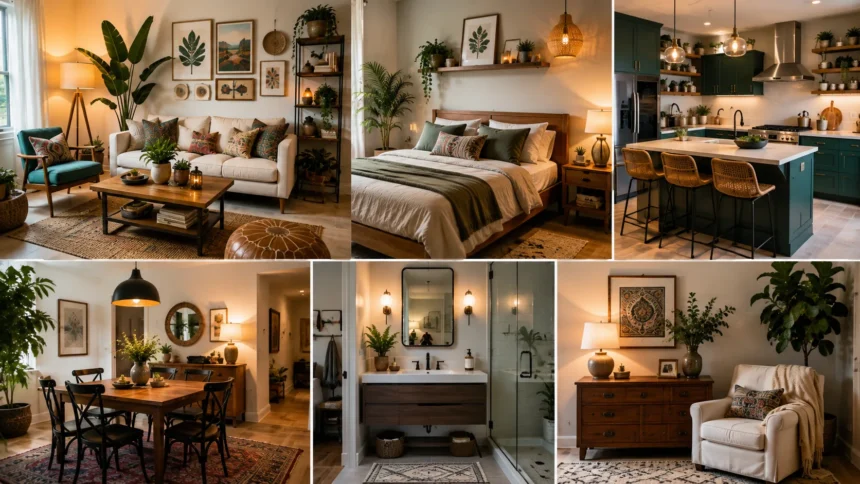
Creative Home Decor Ideas for Every Room
Creative home decor is about making a space feel personal, practical, and visually interesting without relying on expensive furniture or complicated renovations. The best interiors usually combine thoughtful colors, useful furniture, layered textures, good lighting, and decorative details that reflect the people who live there. A room does not need to follow one strict style to look beautiful. It simply needs a clear sense of balance, purpose, and personality.
One of the biggest advantages of creative decorating is flexibility. You can refresh a living room with artwork and textiles, improve a bedroom with layered lighting, or make a kitchen feel more stylish through simple shelving and accessories. Small changes can make a major difference when they are selected carefully. Instead of replacing everything, focus on the elements that influence the atmosphere most strongly, such as color, scale, lighting, and arrangement.
Modern home decor ideas also place greater emphasis on comfort and functionality. Beautiful rooms should support everyday activities rather than looking impressive only in photographs. Storage needs to be practical, furniture should be comfortable, and decorative items should not make normal routines difficult. When design works with daily life rather than against it, the result feels more natural and easier to maintain.
This guide explores creative home decor ideas for every room, including living rooms, bedrooms, kitchens, bathrooms, entryways, dining areas, home offices, and small spaces. You will also learn how to work with color, lighting, artwork, plants, textures, mirrors, storage, and personal accessories. Whether you are decorating a new home or refreshing an existing one, these ideas can help you create spaces that feel stylish, organized, and uniquely yours.
Start With a Cohesive Color Palette
Color is one of the easiest ways to create a more intentional interior because it connects walls, furniture, textiles, and accessories. Begin with a base of warm white, cream, beige, greige, soft gray, or another neutral that works with your flooring and natural light. A calm foundation makes it easier to add personality through stronger accents without making the room feel visually crowded.
Once the base is established, introduce one or two accent colors that can be repeated throughout the space. Olive green, terracotta, dusty blue, rust, charcoal, burgundy, and muted yellow can all work beautifully depending on the style you prefer. Repeating an accent in cushions, artwork, ceramics, or furniture creates visual continuity and makes the room feel more polished.
Do not assume every room needs exactly the same palette. Connected spaces should feel related, but each room can still have its own mood. A living room might use warm beige and olive, while a bedroom uses cream and dusty blue. The repeated use of natural wood, similar metals, or related neutrals can still make the entire home feel connected.
Always test paint and fabric colors in the actual room before making a final decision. Natural light, bulb temperature, flooring, and nearby materials can change how a color appears. A beige that looks warm in a store may appear gray at home. Testing samples helps prevent expensive mistakes and allows you to build a palette around what already exists.
Create a Living Room With a Strong Focal Point
Every living room benefits from a clear focal point because it gives the rest of the furniture a visual direction. The focal point might be a fireplace, large artwork, television wall, statement sofa, built-in shelving, or dramatic window. Once you identify the strongest feature, arrange surrounding furniture so it supports rather than competes with it.
A large artwork can create an especially effective focal point above a sofa or console. Oversized pieces often look more sophisticated than several tiny frames because they create impact without increasing visual clutter. If you prefer gallery walls, keep spacing consistent and use a repeated frame color or visual theme so the arrangement feels intentional.
Furniture placement also contributes to the focal point. Avoid pushing every piece against the walls simply to create empty floor space. Bringing chairs and sofas closer together can improve conversation and make the room feel more welcoming. A properly sized rug can then anchor the seating arrangement and visually connect the major pieces.
Use lighting to strengthen the focal area. A floor lamp near an accent chair, wall sconces beside artwork, or a pendant above a central table can draw attention naturally. Good lighting does not only make the room brighter; it helps guide the eye toward the most important parts of the design.
Layer Textures to Make Rooms Feel More Interesting
Texture adds depth to an interior without requiring bold colors or patterns. Linen, wool, cotton, velvet, bouclé, jute, wood, stone, glass, metal, and ceramic can all contribute different visual and tactile qualities. Mixing several textures is especially useful in neutral rooms because it prevents the palette from feeling flat or unfinished.
Begin with larger surfaces such as rugs, curtains, upholstery, and bedding. A wool rug can soften a living room, while linen curtains add movement around windows. Upholstered seating in textured fabrics can also make a modern interior feel more inviting. These larger layers create a foundation before smaller accessories are introduced.
Hard materials provide useful contrast. A stone coffee table, ceramic lamp, wood cabinet, or ribbed glass vase can make a room feel richer without adding excessive decoration. Pairing rough and smooth surfaces creates a more collected appearance. For example, a polished table can sit beside a woven basket or soft wool throw.
Keep texture balanced throughout the room. If every element is highly tactile, the space can become visually heavy. Combine smoother furniture with softer textiles and a few organic materials. Repeating one or two textures in different locations can also help create consistency without making the design feel repetitive.
Use Statement Lighting as Part of the Decor
Lighting should be treated as decoration as well as a practical necessity. A sculptural pendant, oversized floor lamp, decorative wall sconce, or elegant table lamp can add visual character even when switched off. These pieces are especially useful in rooms where you want more personality without introducing additional furniture or clutter.
Layer different types of lighting rather than depending on one central ceiling fixture. Ambient lighting provides general brightness, task lighting supports activities such as reading or cooking, and accent lighting highlights artwork or architectural features. Combining all three creates a more flexible and comfortable environment.
Warm lighting usually works best in living rooms, bedrooms, and dining areas because it creates a softer atmosphere. Very cool light can make neutral walls and natural wood feel harsher than intended. Dimmers are useful because they allow the same room to support practical daytime activities and relaxed evening use.
Think carefully about the scale of light fixtures. A small pendant above a large dining table can appear disconnected, while an oversized fixture can overwhelm a compact room. Use the furniture below as a guide when selecting dimensions. Properly proportioned lighting often makes the entire room feel more professionally designed.
Make the Living Room Feel Stylish but Comfortable
A stylish living room should still be comfortable enough for everyday use. Begin with a sofa that fits the room properly and provides enough seating for your household. Add chairs, side tables, and a coffee table according to how the space is actually used. Avoid choosing furniture solely because it looks impressive if it makes normal activities inconvenient.
A large rug can define the seating area and introduce pattern or texture. Ideally, at least the front legs of major furniture pieces should sit on the rug. Rugs that are too small can make the furniture arrangement appear disconnected. Neutral patterned rugs often work well because they provide depth without dominating the room.
Keep coffee-table styling practical. A stack of books, tray, ceramic bowl, or small plant may provide enough visual interest. Leave clear space for drinks, remote controls, or daily use. Surfaces that are completely covered with accessories can quickly become frustrating and may make the room feel cluttered.
Add personal elements through artwork, family photographs, books, travel objects, or handmade pieces. These details prevent the room from looking generic. The goal is not to copy a showroom exactly but to create a space that feels visually organized while still reflecting the people who live there.
Add Creative Wall Decor Without Overcrowding
Walls offer one of the easiest opportunities to introduce personality. Artwork, mirrors, shelves, photographs, textile pieces, decorative plates, or wall-mounted lighting can all create interest. The challenge is choosing a few strong ideas rather than covering every available surface.
Large artwork can make a simple room feel more finished immediately. Choose pieces based on what you genuinely enjoy rather than only matching the furniture. Art can introduce stronger colors or emotional character into an otherwise neutral interior. A large piece also creates a clear focal point with relatively little visual clutter.
Gallery walls work well when the frames, colors, or subject matter share some connection. Mix photographs, prints, and illustrations if you like an eclectic look, but maintain consistent spacing. Planning the arrangement on the floor first can make installation easier and prevent the display from feeling random.
Do not feel pressure to decorate every wall. Empty space is an important design tool because it gives the eye somewhere to rest. One large decorated wall combined with several simpler surfaces often creates a more elegant result than filling the entire room with competing artwork.
Bring Natural Elements Into Every Room
Plants, wood, stone, woven fibers, and other natural materials can make interiors feel calmer and more inviting. Large floor plants can soften corners, while smaller plants work well on shelves, kitchen counters, or desks. Greenery also creates a strong contrast against neutral walls and structured furniture.
Choose plants according to actual light conditions rather than appearance alone. A plant that requires strong sunlight will not thrive in a dark hallway simply because it looks beautiful there. Consider maintenance habits as well. Low-maintenance varieties can be better for busy households or people who travel frequently.
Natural materials can create a similar effect when living plants are not practical. Wooden trays, stone bowls, woven baskets, dried branches, and ceramic pieces introduce organic texture without requiring regular care. These elements fit easily into modern, rustic, Scandinavian, bohemian, and transitional interiors.
Avoid placing tiny plants on every available surface. One large healthy plant can create more impact than a collection of small pots that contribute to clutter. Use greenery intentionally as part of the overall composition rather than treating plants as filler for every empty corner.
Create a Calm and Creative Bedroom
A bedroom should feel visually calm because it is primarily a place for rest. Begin with a simple color palette and use the bed as the main focal point. An upholstered, wooden, or painted headboard can establish the style without requiring excessive decoration elsewhere in the room.
Layer bedding with several textures rather than many patterns. Cotton sheets, linen covers, wool throws, and soft cushions can create depth while keeping the overall appearance relaxed. Limit decorative pillows to a number that remains practical for everyday use. A bed should feel inviting, not like a display that takes fifteen minutes to reset.
Use bedside lighting to create a softer atmosphere. Table lamps, wall-mounted sconces, or pendant lights can free surface space and provide focused illumination. Warm bulbs are especially useful in bedrooms because they create a more restful evening environment compared with harsh cool lighting.
Keep bedside surfaces relatively clear. A lamp, book, small tray, or personal object may be enough. Use drawers or baskets for chargers, skincare products, and other everyday items. Creative bedroom decor works best when it supports rest instead of creating visual noise around the bed.
Design a More Functional and Stylish Kitchen
A creative kitchen combines visual interest with practical organization. Begin by clearing unnecessary objects from countertops and keeping only items used frequently. Cutting boards, attractive containers, coffee equipment, and a small plant can provide enough decorative character while preserving valuable preparation space.
Open shelves can add personality when used selectively. Display everyday dishes, glassware, cookbooks, or ceramics in organized groups. Avoid using open shelves as storage for everything because too many visible objects can make the kitchen feel cluttered. Closed cabinetry should still handle most household storage.
Hardware provides an affordable opportunity to update the overall look. Brass, black, nickel, ceramic, or wood handles can change the character of cabinets without requiring a full renovation. Choose a finish that connects with lighting, faucets, or surrounding furniture for a more cohesive result.
Kitchen lighting should combine practicality and atmosphere. Under-cabinet lights improve food preparation, pendant lights can define islands or dining areas, and general ceiling lights provide overall brightness. Decorative lighting gives the kitchen personality while task lighting ensures the space remains comfortable to use.
Add Character to the Dining Room
The dining room can be one of the easiest places to introduce creativity because one central table naturally defines the room. Choose a table that fits both the space and household size, then add chairs with enough comfort for longer meals. A mix of wood and upholstered materials can make the room feel more relaxed and layered.
The lighting above the table can become a strong visual feature. A sculptural pendant or chandelier helps anchor the dining area and creates a sense of intimacy in the evening. The fixture should feel proportionate to the table rather than the entire room alone. Proper scale makes the arrangement feel intentional.
Keep tabletop decor relatively simple. A ceramic bowl, vase, candles, or natural branch can provide enough visual interest while leaving room for actual meals. Seasonal changes can be introduced through flowers, linens, or smaller accessories without redesigning the entire space.
Wall decor can give the dining room additional personality. Large artwork, mirrors, framed photographs, or a simple gallery wall can make the room feel more complete. Choose pieces that support the overall palette and mood rather than filling blank walls with unrelated decorations.
Turn the Bathroom Into a More Relaxing Space
Bathrooms often receive less decorative attention than living rooms or bedrooms, but small changes can make them feel much more comfortable. Begin with a clean color palette using warm white, beige, stone, muted green, or soft gray. These shades create a calm foundation that works well with wood, metal, and ceramic details.
Mirrors can function as major decorative elements. A round mirror, arched frame, antique-inspired design, or clean contemporary frame can transform the vanity area. Pair it with flattering lighting so the design remains functional as well as attractive. Wall sconces placed near the mirror can improve both appearance and practical illumination.
Use towels, bath mats, baskets, trays, and containers to introduce texture. Natural materials such as wood, stone, linen, and woven fibers can make bathrooms feel warmer. Keep the color palette controlled so accessories do not create visual clutter in what is often a relatively small room.
Storage should remain a priority. Use vanity drawers, mirrored cabinets, built-in niches, or baskets to keep toiletries organized. A beautifully decorated bathroom can still feel messy if products cover every surface. Creative design works best when everyday items have convenient places to be stored.
Make the Entryway More Welcoming
The entryway creates the first impression of your home and can also prevent clutter from spreading into other rooms. Start with practical storage for keys, shoes, bags, and coats. A narrow console, hooks, bench, or shoe cabinet can provide organization without requiring a large amount of floor space.
A mirror is especially useful near the entrance because it adds both function and visual openness. Round, arched, or rectangular styles can work depending on your design preference. Positioning a mirror where it reflects natural light can also make a narrow hallway feel brighter and more spacious.
Keep console styling simple. A lamp, bowl for keys, framed artwork, and small plant may be enough to make the space feel welcoming. Avoid covering the surface completely because the entryway usually needs practical space for items coming in and out of the home.
Use a rug or runner to define the area and introduce pattern. Choose something durable and easy to clean because entryways receive frequent foot traffic. The rug can also provide a preview of the colors and style used throughout the rest of the home.
Create a Productive and Attractive Home Office
A home office should support concentration while still feeling visually comfortable. Begin with a desk positioned according to natural light and available space. A supportive chair, appropriate monitor height, and good lighting are more important than purely decorative accessories. Function should establish the foundation before styling begins.
Use shelves, drawers, or cabinets to keep paperwork and office supplies organized. Open shelving can display books, plants, or a few decorative objects, while less attractive supplies should remain inside closed storage. Keeping the work surface relatively clear can improve both focus and appearance.
Artwork or a pinboard can provide inspiration without overwhelming the room. Choose images, notes, or objects that genuinely support your work rather than decorating simply for appearance. A large artwork behind the desk can also create an attractive background for video calls.
Add a table lamp or floor lamp to improve lighting during darker hours. Warm ambient lighting can reduce the harshness of overhead fixtures and make the office feel more comfortable. Good lighting is particularly important when the space is used for several hours each day.
Use Mirrors to Add Light and Visual Space
Mirrors can make a room feel larger by reflecting light and creating visual depth. Place them opposite or beside windows when possible to distribute daylight more effectively. This technique is particularly useful in narrow hallways, small bedrooms, or darker living rooms.
Choose mirror shapes according to the room’s architecture. Round and arched mirrors can soften rooms dominated by rectangular furniture, while large rectangular designs can create a cleaner contemporary look. Ornate frames can introduce traditional or vintage character without requiring additional accessories.
Oversized mirrors can function almost like artwork. A large leaning mirror in a bedroom or living room creates strong visual impact while remaining practical. Make sure it is properly secured when necessary, especially in homes with children or pets.
Always consider what the mirror will reflect. Position it toward attractive artwork, greenery, natural light, or an uncluttered section of the room. A mirror facing messy storage can multiply visual clutter rather than improving the design.
Use Smart Storage as Part of the Decor
Storage does not have to be purely functional. Attractive baskets, cabinets, benches, shelving, and trunks can help control clutter while contributing to the overall design. The most effective storage solutions are located close to where items are actually used.
Closed storage is particularly useful for everyday objects such as paperwork, cables, toys, toiletries, and miscellaneous supplies. Open shelves should be reserved for items that genuinely contribute visually. This balance keeps rooms feeling organized without requiring every possession to remain hidden.
Furniture with more than one function can be especially useful in small homes. Storage ottomans, benches with compartments, beds with drawers, and nesting tables can increase functionality without adding unnecessary furniture. Multifunctional pieces help maximize limited floor space.
Avoid buying organizers before decluttering. Storage products cannot solve a problem caused by keeping too many unnecessary items. Remove what you no longer use first, then choose storage that fits what remains. This prevents organizers themselves from becoming another form of clutter.
Decorate Small Spaces Without Making Them Feel Crowded
Small rooms benefit from careful scale and visual consistency. Choose furniture that fits the available space rather than simply selecting the smallest item possible. A properly proportioned sofa or table can actually make the room feel more intentional than several undersized pieces scattered around.
Use a consistent color palette to reduce visual breaks. Light neutrals can increase brightness, but darker colors can still work when used strategically. Repeating similar wood tones, metals, and textiles helps the eye move through the space smoothly.
Take advantage of vertical space. Tall cabinets, wall-mounted shelves, hanging lighting, and floor-to-ceiling curtains can draw the eye upward. This makes the room feel taller while reducing the amount of storage competing for floor area.
Choose fewer but stronger decorative pieces. One large artwork, mirror, or plant can create more impact than many tiny accessories. Leaving some walls and surfaces relatively open also helps the room feel less crowded and gives important elements more visual space.
Add Personality With Books and Meaningful Objects
Personal objects make a home feel genuinely lived in. Books, family photographs, travel souvenirs, inherited pieces, artwork, and handmade items can add character that cannot be reproduced through generic store-bought decor. The key is displaying these items thoughtfully rather than placing everything everywhere.
Group related objects together. A collection of travel items may work well on one shelf, while family photographs can be concentrated on a gallery wall. Grouping creates stronger visual impact and reduces the sense of clutter that occurs when small objects are spread throughout the room.
Books can be used decoratively as well as practically. Stack them horizontally to create height for a small vase or sculpture, or arrange them vertically alongside framed artwork. Mixing books with other objects can make shelving feel relaxed while still maintaining structure.
Rotate personal objects occasionally. You do not need to display every meaningful item at once. Storing part of a collection and switching pieces seasonally can keep the home feeling fresh while allowing individual objects to receive more attention.
Mix Old and New for a More Collected Look
Combining vintage and contemporary pieces can make a room feel more personal and less like a complete furniture set. An antique sideboard can sit beside a modern sofa, while an old wooden table can work with newer dining chairs. The contrast adds character and gives the room a sense of history.
Look for connections between the pieces. Similar wood tones, repeated colors, matching proportions, or shared materials can help objects from different eras feel related. A modern cream sofa may work beautifully with a vintage walnut table because the neutral upholstery allows the wood to stand out.
Avoid mixing too many strong historical styles in one room. A few vintage pieces usually create more impact than an entire room filled with ornate furniture. Let one or two older items act as focal points while simpler contemporary pieces provide balance.
Secondhand shopping can also make decorating more affordable and sustainable. Flea markets, estate sales, online marketplaces, and thrift shops can reveal distinctive pieces at reasonable prices. Focus on good construction, useful proportions, and materials that can be repaired rather than buying something only because it looks old.
Refresh Your Home With Affordable Decor Updates
You do not need a large budget to make a noticeable change. Rearranging furniture can improve traffic flow and create a completely different atmosphere without costing anything. Remove unnecessary pieces first, then experiment with new layouts based on how the room is actually used.
Paint is another relatively affordable way to create a major visual change. Updating walls, cabinets, or a single piece of furniture can refresh the room quickly. Even repainting one feature wall or adding trim can make a space feel more intentional.
Changing textiles can also produce a strong effect. New cushion covers, curtains, rugs, throws, or bedding can introduce different colors and textures without replacing large furniture. Choose pieces that connect with the existing palette so the update feels cohesive rather than random.
Lighting, artwork, and hardware are other high-impact areas. Replacing an outdated ceiling light, adding a large print, or changing cabinet handles can make the room look more current. Focus on improvements that influence the entire visual composition instead of buying many small decorative objects.
Use Seasonal Decor Without Overdoing It
Seasonal changes can keep a home feeling fresh without requiring permanent redesign. In warmer months, lighter fabrics, greenery, and brighter accessories can create an airy atmosphere. In cooler months, heavier throws, warmer lighting, deeper colors, and natural textures can make rooms feel more comfortable.
Choose a small number of seasonal accessories rather than replacing the entire decor. Cushion covers, table arrangements, flowers, candles, and throws are easy to change and store. Keeping the core furniture and palette consistent prevents seasonal decorating from becoming expensive or complicated.
Natural materials work particularly well for seasonal styling. Fresh branches, dried grasses, pinecones, flowers, or seasonal fruit can add visual interest without relying on themed decorations. These elements usually feel more timeless and can work with several interior styles.
Store seasonal items carefully and review them before putting them away. If something no longer fits your taste, donate or repurpose it rather than repeatedly storing items you do not enjoy. A smaller collection of useful seasonal decor is easier to manage and usually looks more refined.
Avoid Common Home Decorating Mistakes
One common mistake is buying furniture without measuring the room first. Oversized pieces can block movement, while furniture that is too small may look disconnected. Always consider floor dimensions, doorways, ceiling height, and surrounding furniture before making large purchases.
Another mistake is choosing every item from the same collection. Matching sets can make a room feel predictable and less personal. Mix complementary pieces that share certain materials or colors while allowing enough variation to create character.
Using too many small accessories can also make a room feel cluttered. A few larger decorative objects often create more visual impact than dozens of tiny items. Leave some surfaces and walls open so important pieces have enough space to stand out.
Finally, avoid designing only for appearance. A beautiful room that is uncomfortable, difficult to clean, or impractical for your household will quickly become frustrating. The most successful creative interiors combine personality with comfort, storage, durability, and everyday usability.
Final Thoughts
Creative home decor is not about following every trend or buying expensive furniture. It is about making thoughtful choices that improve how a room looks and functions. Color, lighting, texture, scale, storage, and personal details can completely change an interior even when the existing furniture remains largely the same.
The strongest creative home decor ideas usually begin with a clear foundation and build gradually. Choose a cohesive palette, identify focal points, and make sure furniture fits the space properly. Then add texture, artwork, plants, lighting, and meaningful accessories according to your personality.
Remember that every room has a different purpose. A living room should feel comfortable and social, a bedroom should support rest, a kitchen should remain practical, and a home office should encourage focus. Decoration becomes more successful when it strengthens the function of the room instead of competing with it.
Most importantly, allow your home to evolve. You do not need to complete every room immediately. Collect artwork, furniture, books, and accessories gradually as you discover pieces you genuinely enjoy. A home that develops over time often feels more personal, comfortable, and timeless than one decorated entirely in a single shopping trip.
Frequently Asked Questions
What are some easy creative home decor ideas?
Start with artwork, layered lighting, plants, textured cushions, mirrors, and rearranged furniture. These updates can change the atmosphere of a room without requiring major renovations or expensive purchases.
How can I decorate every room without making my home look mismatched?
Use a consistent foundation of related colors, wood tones, metals, and materials throughout the home. Each room can still have its own personality while sharing several visual elements with the others.
How can I decorate my home on a small budget?
Rearrange existing furniture, repaint walls, update cushion covers, shop secondhand, rotate artwork, and change lighting or cabinet hardware. Focus on high-impact changes before buying new furniture.
What makes a room look professionally decorated?
Good proportions, a cohesive color palette, layered lighting, properly sized rugs, balanced furniture placement, and controlled accessories usually create a more polished appearance. Functionality is just as important as styling.
How do I make my home decor feel more personal?
Display meaningful artwork, books, family photographs, travel objects, inherited furniture, and handmade pieces. Use these items selectively so they add character without creating unnecessary clutter.