

Boho Home Decor Ideas for a Relaxed and Creative Home
Boho home decor is all about creating a space that feels comfortable, expressive, layered, and personal rather than perfectly coordinated. Inspired by global influences, natural materials, vintage pieces, handmade accents, and relaxed styling, the bohemian look gives homeowners freedom to decorate in a way that reflects their personality. It works especially well for people who want their home to feel warm, lived-in, and visually interesting without looking overly formal.
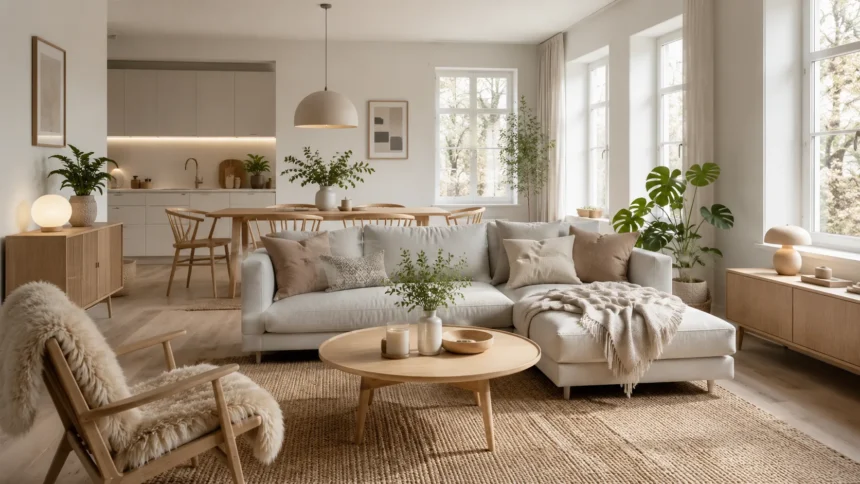
One of the biggest appeals of boho home decor is its flexibility. You can create a colorful, eclectic room filled with patterns and collected objects, or take a softer approach using warm neutrals, woven textures, wood tones, and greenery. Modern boho interiors often combine the relaxed character of traditional bohemian design with cleaner lines, making the style suitable for both small apartments and larger homes.
Unlike design styles that depend on strict matching, bohemian interiors encourage creative combinations. A vintage rug can sit beneath a contemporary sofa, handcrafted pottery can share a shelf with modern artwork, and natural rattan furniture can be paired with soft linen textiles. The result is a home that develops naturally over time instead of appearing as though everything was purchased from one collection.
The best boho spaces still require thoughtful planning. Too many patterns, colors, or decorative objects can make a room feel cluttered instead of relaxed. By using a consistent color palette, layering textures carefully, and leaving enough open space, you can create a creative bohemian home that feels inviting, balanced, and easy to live in.
What Is Boho Home Decor?
Boho home decor, also known as bohemian interior design, is a decorating style centered on individuality, creativity, comfort, and an informal approach to styling. It draws inspiration from art, travel, nature, vintage design, and cultures from around the world. Rather than following rigid decorating rules, bohemian interiors often combine furniture, textiles, artwork, and decorative accessories that have different origins but work together visually.
Traditional bohemian interiors are usually recognized by layered textiles, rich colors, patterned rugs, floor cushions, vintage furniture, plants, wall hangings, and handcrafted decor. However, today’s boho style has evolved into several variations, including modern boho, minimalist boho, coastal bohemian, earthy boho, and Scandinavian-boho interiors. This makes the aesthetic adaptable to different lifestyles and personal tastes.
A major characteristic of bohemian decorating is the feeling that a room has been collected gradually. Instead of decorating an entire space with matching furniture, homeowners often mix old and new pieces. A thrifted side table, handmade ceramic vase, woven basket, modern sofa, and patterned kilim rug can all work together when they share complementary colors or materials.
Boho design also values comfort over perfection. Softer furniture, layered cushions, natural fabrics, warm lighting, and personal objects make the home feel welcoming rather than staged. The goal is not to follow every bohemian trend but to create an environment that feels authentic, visually interesting, and comfortable for everyday life.
Start With an Earthy and Relaxed Boho Color Palette
A well-planned color palette provides the foundation for successful boho interior design. Traditional bohemian rooms often include terracotta, rust, mustard, deep green, burgundy, turquoise, and warm brown. These colors create richness and warmth while reflecting the earthy, globally inspired character associated with classic bohemian interiors.
Modern boho homes often begin with softer neutral colors such as ivory, cream, beige, sand, taupe, and warm white. These shades create a calmer background that allows textured furniture, patterned rugs, artwork, and plants to stand out. Neutral walls are especially helpful in smaller rooms because they prevent layered boho decor from feeling visually overwhelming.
Earth tones can then be introduced through textiles and accessories. Terracotta cushions, olive-green throws, caramel leather, wooden furniture, clay pottery, and rust-colored rugs can create warmth without requiring dramatic wall colors. Using similar tones repeatedly throughout the room helps individual pieces feel connected even when they come from different styles.
If you prefer a more vibrant bohemian look, introduce stronger colors gradually rather than using everything at once. Choose two or three dominant shades and repeat them throughout rugs, pillows, artwork, curtains, and decorative objects. This keeps the room energetic and creative while maintaining enough visual consistency to prevent the overall design from becoming chaotic.
Layer Natural Materials for an Authentic Bohemian Look
Natural materials play a central role in boho home decor ideas because they add warmth, texture, and an organic quality to the interior. Wood, rattan, cane, bamboo, jute, linen, cotton, wool, clay, and stone are particularly effective. These materials create visual interest while keeping the space connected to nature and supporting the relaxed character of bohemian design.
Rattan and cane furniture are especially popular in boho interiors. A woven lounge chair, cane-front cabinet, rattan side table, or natural headboard can immediately introduce texture without dominating the room. Because these pieces often have light, airy construction, they are also useful in smaller rooms where heavier furniture might make the space feel crowded.
Wooden furniture adds another layer of warmth, particularly when the grain remains visible. Instead of making every wood finish identical, boho interiors can comfortably combine light oak, walnut, reclaimed wood, and darker vintage pieces. Repeating similar undertones elsewhere in the room helps different finishes feel intentional rather than mismatched.
Natural textiles soften harder furniture and surfaces. Linen curtains, cotton cushions, wool throws, jute rugs, and woven baskets can make even a simple room feel layered and comfortable. Combining several materials with different textures is often more effective than filling the space with many decorative objects because texture creates depth without unnecessary clutter.
Use Layered Rugs to Create a Cozy Boho Foundation
Rugs are one of the easiest ways to establish a bohemian atmosphere because they introduce color, pattern, warmth, and texture across a large visual area. Persian-inspired rugs, Moroccan designs, kilim patterns, geometric prints, and faded vintage styles all work particularly well. The right rug can instantly make a plain living room or bedroom feel more established and inviting.
Layering rugs is another recognizable boho decorating technique. A large neutral jute or sisal rug can provide the base, while a smaller patterned rug is positioned on top to add personality. This approach works particularly well when you want visual interest without covering the entire floor with a strong pattern.
When layering rugs, pay attention to scale and contrast. A simple natural-fiber base pairs well with a more detailed upper rug, while combining two highly patterned rugs can become visually busy. Keeping at least one rug relatively understated allows the other piece to become the focal point.
Rugs also help define separate areas in open-plan homes. You can use one beneath a seating arrangement, another under a dining table, and a smaller runner in a nearby walkway. Choosing rugs with complementary colors helps these different zones feel connected while preserving the relaxed, collected appearance associated with bohemian interiors.
Add Plenty of Greenery for a Fresh Boho Interior
Plants have become closely associated with modern boho decor because they bring color, movement, softness, and natural energy into indoor spaces. Large leafy plants can fill empty corners, while smaller plants can decorate shelves, side tables, desks, and windowsills. Their organic shapes contrast beautifully with structured furniture and geometric patterns.
Popular houseplants often used in bohemian interiors include pothos, monstera, snake plants, philodendrons, palms, rubber plants, and trailing vines. The best choice, however, depends on the light, temperature, humidity, and maintenance requirements of your specific home. Selecting plants that suit your environment is more practical than choosing them purely for appearance.
Planters also contribute to the overall boho aesthetic. Terracotta pots, woven baskets, ceramic planters, wooden stands, and hanging planters can add additional layers of texture. Mixing a few complementary planter styles creates the collected appearance associated with bohemian spaces without making the display feel overly coordinated.
If maintaining live plants is difficult, you can still introduce nature through dried grasses, branches, preserved arrangements, botanical artwork, or realistic artificial greenery. The aim is to bring natural forms and organic textures into the room. Even a few thoughtfully positioned botanical elements can make a neutral boho interior feel fresher and more welcoming.
Mix Patterns Without Making the Room Feel Busy
Pattern mixing is an important part of bohemian interior design, but successful combinations require some visual control. Geometric prints, botanical motifs, tribal-inspired patterns, stripes, florals, and vintage rug designs can all work together when they share related colors or contrasting scales. The goal is to create depth rather than visual competition.
A simple method is to choose one dominant pattern and build around it. For example, a patterned rug can become the starting point, while cushions and throws repeat several colors from that design. Smaller secondary patterns can then be introduced through pillows, artwork, or accessories without overwhelming the room.
Scale also matters when combining prints. Pairing a large-scale botanical pattern with smaller geometric designs usually creates more balance than using several patterns with similar-sized details. Solid-colored cushions or blankets can provide visual pauses between stronger prints and help prevent the space from appearing cluttered.
Modern boho interiors often use fewer patterns than traditional bohemian spaces. If you prefer a calmer environment, keep the walls and large furniture relatively neutral and introduce patterns through removable accessories. This approach makes it easy to refresh the room over time without replacing expensive furniture or changing the entire decorative scheme.
Choose Comfortable Furniture With a Relaxed Feel
Boho furniture should feel comfortable, approachable, and suitable for everyday living. Low-profile sofas, deep lounge chairs, upholstered ottomans, poufs, floor cushions, and relaxed dining chairs all contribute to the informal atmosphere. Furniture does not need to match perfectly, but proportions and colors should still work together throughout the room.
Vintage and secondhand furniture can add character that newer pieces sometimes lack. A worn wooden cabinet, carved side table, antique chest, or mid-century chair can become an interesting focal point when mixed with contemporary furnishings. Small imperfections often strengthen the collected quality that makes bohemian interiors feel personal.
Natural upholstery works particularly well with boho styling. Linen, cotton, leather, boucle, and woven fabrics bring softness and tactile appeal. Neutral sofas are especially versatile because you can easily change the appearance with colorful pillows, textured throws, and seasonal accessories instead of replacing the larger piece.
Before choosing furniture, consider how the room will actually be used. A beautiful chair that is uncomfortable or a delicate table that cannot handle everyday use will eventually become frustrating. Successful bohemian homes balance artistic expression with function so the interior looks interesting while remaining comfortable and practical.
Create Interest With Textured Walls and Boho Wall Decor
Walls offer plenty of opportunities to express personality within bohemian interiors. Instead of relying only on framed prints, consider woven wall hangings, baskets, tapestries, mirrors, handmade artwork, floating shelves, photographs, or sculptural objects. Combining different materials can transform a plain wall into an engaging focal point.
Gallery walls are particularly suitable for boho homes because they allow different artworks and objects to coexist. Botanical prints, travel photographs, abstract paintings, vintage illustrations, and personal pictures can be arranged together. Frames do not need to match exactly, although repeating similar wood tones or finishes can help maintain visual cohesion.
Textural wall treatments provide another option. Limewash-inspired finishes, warm plaster effects, wood paneling, and subtle textured wallpapers can introduce depth without requiring many decorative accessories. These treatments work particularly well in neutral boho interiors where texture becomes more important than bold color.
Mirrors are useful because they reflect both natural and artificial light while adding decorative interest. Arched mirrors, carved wood frames, rattan designs, and vintage brass finishes all suit bohemian spaces. Positioning a mirror opposite or near a window can also help smaller rooms feel brighter and more open.
Use Warm and Layered Lighting for a Relaxed Atmosphere
Lighting can completely change the mood of a bohemian room, so relying only on a strong overhead fixture may make the space feel flat. Layering several sources of warm light creates a softer and more inviting environment. Table lamps, floor lamps, pendants, sconces, and decorative lighting can work together to create different levels of illumination.
Natural materials are particularly effective for boho lighting fixtures. Rattan pendants, woven shades, ceramic lamps, wooden bases, linen shades, and metal lanterns introduce additional texture. These materials also look attractive during the day when the fixtures are not switched on, making lighting part of the room’s overall decorative scheme.
Placement is just as important as fixture style. Floor lamps can illuminate darker corners, table lamps provide comfortable reading light, and pendant lights can emphasize dining areas or seating zones. Using lighting at several heights creates dimension and prevents the room from feeling overly bright or visually flat.
Warm-toned bulbs generally support the cozy atmosphere associated with bohemian interiors. Dimmers can provide additional flexibility, allowing brighter lighting when completing tasks and softer lighting when relaxing. The aim is to make the room adaptable so it feels functional during the day and comfortable in the evening.
Decorate With Handmade, Vintage and Personal Pieces
Boho interiors feel most successful when they contain objects with personality rather than relying entirely on mass-produced decor. Handmade ceramics, woven textiles, carved wooden pieces, vintage books, artwork, travel finds, and family keepsakes can introduce character while making the space feel distinctly yours.
Secondhand shops, antique markets, local makers, craft fairs, and online vintage stores can be useful places to find unusual accessories. Instead of purchasing many items at once, collect pieces gradually. This naturally produces the layered, evolved appearance that works so well within bohemian decorating.
Personal objects should also be displayed thoughtfully rather than filling every available surface. Choose items that have emotional meaning, visual appeal, or an interesting story and give them enough breathing space. A smaller curated collection can often have greater impact than dozens of unrelated decorative accessories.
Combining personal items with everyday functional objects also keeps the home authentic. Attractive baskets can provide storage, ceramic bowls can hold keys, and vintage trunks can double as coffee tables. When decorative objects also serve practical purposes, the room can remain expressive without sacrificing organization.
Bring Boho Style Into the Living Room
The living room is one of the easiest spaces to introduce bohemian decor because it naturally accommodates textiles, artwork, furniture, plants, and personal accessories. Begin with comfortable seating and a rug, then gradually add cushions, throws, side tables, lighting, and greenery. Building the room in layers makes it easier to maintain visual balance.
A neutral sofa can provide a flexible starting point. Add patterned pillows in earthy colors, a woven throw, and a textured rug to establish the bohemian character. Instead of purchasing an entire matching furniture set, introduce side chairs or tables made from different materials to create a more collected appearance.
Coffee tables and open shelving can display books, ceramics, candles, baskets, and decorative objects. However, leave enough empty space for practical everyday use. Boho style should feel relaxed rather than overcrowded, so every surface does not need to be filled with accessories.
Plants, floor lamps, and oversized baskets are effective for corners that otherwise feel empty. A large piece of artwork or woven wall hanging can anchor the main seating area, while smaller decorative elements provide detail. Repeating similar colors across different parts of the room will help the finished space look intentional.
Create a Calm and Cozy Boho Bedroom
A boho bedroom should prioritize comfort, softness, and a restful atmosphere. Begin with breathable bedding in cotton or linen and build layers using textured throws, cushions, and blankets. Warm neutrals such as cream, beige, clay, muted green, and soft brown can create a peaceful foundation without making the room feel plain.
The bed can become the natural focal point through a rattan, wood, upholstered, or simple minimalist headboard. Hanging artwork, textiles, or a large decorative piece above the bed can further strengthen the visual focus. Keep the arrangement balanced so the sleeping area feels inviting rather than overly decorated.
Nightstands do not necessarily need to match. Vintage tables, wooden stools, floating shelves, or small cabinets can create a more relaxed appearance. Add warm bedside lamps, a few books, ceramics, or small plants while preserving enough surface space for practical items.
A rug beneath or beside the bed adds warmth underfoot and introduces another opportunity for pattern. Curtains made from linen or lightweight natural fabric can soften the room and filter daylight. Together, these layers can create a boho bedroom that feels personal, comfortable, and visually calm.
Add Bohemian Character to a Small Space
Boho decor can work extremely well in apartments and small rooms when visual layers are controlled carefully. Instead of filling the room with many pieces, focus on a smaller collection of furniture and accessories that provide texture, function, or personality. This keeps the space expressive without reducing valuable movement areas.
Light neutral walls can create a spacious foundation while rugs, cushions, plants, and artwork add personality. Vertical decorating is particularly helpful in compact spaces. Wall shelves, hanging plants, tall bookcases, and artwork can draw the eye upward while leaving more floor space available.
Multifunctional furniture can make small boho rooms easier to live in. Storage ottomans, benches with compartments, nesting tables, baskets, and beds with hidden storage help manage everyday belongings. Choosing functional pieces made from natural materials allows organization to become part of the overall aesthetic.
Large mirrors can also make smaller bohemian spaces feel brighter by reflecting natural light. Avoid placing too many small decorative objects across every surface, as this can quickly make a compact room feel cluttered. A few stronger decorative moments usually create more impact while preserving a relaxed atmosphere.
Try a Modern Minimalist Boho Style
Minimalist boho combines the warmth and texture of bohemian design with the simplicity and organization of minimalist interiors. Instead of using many colors and patterns, the style relies heavily on neutral shades, natural materials, clean furniture lines, and carefully selected decorative objects.
A minimalist boho palette often includes warm white, cream, sand, beige, light brown, muted terracotta, and soft green. These understated colors create a peaceful backdrop while allowing wood grain, woven materials, ceramics, and plants to provide visual interest through texture.
Decorative restraint is especially important. Rather than covering walls and shelves with accessories, choose a few distinctive objects such as an oversized ceramic vase, woven wall hanging, sculptural lamp, or large plant. Giving these items space allows them to become more visually powerful.
This version of bohemian design works particularly well for people who enjoy the warmth of boho interiors but dislike heavy visual layering. It retains natural textures, handcrafted details, greenery, and relaxed furniture while reducing unnecessary objects and strong patterns, producing a calmer and more contemporary result.
Common Boho Decorating Mistakes to Avoid
One common mistake is assuming that boho decor requires filling every surface with objects. Although layering is part of the style, excessive accessories can quickly create visual clutter. Leave some negative space around furniture, artwork, and decorative collections so individual pieces have room to stand out.
Another mistake is using too many unrelated colors without a connecting palette. Bohemian interiors can certainly be colorful, but repeating several core shades throughout the room creates cohesion. If every rug, cushion, curtain, and artwork introduces completely different colors, the room may appear chaotic instead of thoughtfully eclectic.
Using too many trend-driven items is another potential problem. Decorating entirely with fashionable rattan accessories, macrame pieces, pampas grass, or identical boho prints can make a room feel themed rather than personal. Mixing contemporary trends with vintage, handmade, and meaningful objects creates greater authenticity.
Finally, do not sacrifice comfort and functionality for appearance. Furniture should fit the room properly, walkways should remain clear, and storage should support everyday life. The strongest bohemian interiors combine creativity and personality with practical design choices, creating spaces that are enjoyable to look at and comfortable to use.
How to Make Boho Home Decor Feel Personal
Start by choosing objects that genuinely reflect your interests rather than copying a complete room from an inspiration image. Books, photographs, artwork, travel souvenirs, inherited furniture, handmade pieces, and collections can all help tell your story. Personal meaning is one of the qualities that separates authentic bohemian interiors from overly styled spaces.
Allow the home to evolve gradually rather than trying to finish everything immediately. Boho design naturally benefits from collecting objects over time because different periods, experiences, and discoveries add depth. A home that changes alongside your life generally feels more interesting than one decorated completely in a single shopping trip.
You can also create personality through unexpected combinations. Pair contemporary furniture with a vintage rug, place modern artwork above an antique cabinet, or mix handcrafted ceramics with minimalist shelving. These contrasts introduce character while preventing the room from looking too predictable or coordinated.
Ultimately, successful bohemian decorating comes from balancing freedom with intention. Use colors you enjoy, choose comfortable furniture, include meaningful objects, bring in natural textures, and edit the room whenever it starts feeling crowded. The result should feel relaxed and expressive while still supporting the way you actually live.
Final Thoughts on Boho Home Decor Ideas
The best boho home decor ideas focus on comfort, personality, natural materials, layered textures, and thoughtful creativity. You do not need a large budget or a completely new set of furniture to achieve the look. Small changes involving textiles, lighting, plants, artwork, rugs, and decorative accessories can significantly transform a room.
Bohemian interiors also give you permission to mix different influences rather than following strict matching rules. Vintage furniture can sit beside modern pieces, handcrafted decor can complement minimalist architecture, and global patterns can blend with calm neutral colors. A consistent palette and repeated materials help tie these different elements together.
Modern boho style is particularly adaptable because it can be colorful and maximalist or light and understated. The important thing is to avoid decorating purely according to trends. Choose elements that suit your lifestyle, available space, maintenance preferences, and personal taste so the design remains enjoyable long after individual trends change.
A truly inviting bohemian home should feel collected rather than decorated overnight. By combining natural textures, warm lighting, meaningful accessories, comfortable furniture, plants, and carefully layered patterns, you can create a relaxed and creative interior that feels distinctive, welcoming, and genuinely personal.
Frequently Asked Questions
What colors are best for boho home decor?
Warm neutrals, terracotta, rust, olive green, mustard, cream, brown, and muted earthy shades work beautifully. You can also add richer jewel tones for a more colorful traditional boho look.
How can I make my house look more boho?
Start with natural materials, textured rugs, plants, layered cushions, warm lighting, vintage accents, and handmade decor. Mix pieces gradually instead of buying an entire matching furniture collection.
Can boho decor work in a small apartment?
Yes. Use neutral colors, vertical storage, mirrors, multifunctional furniture, smaller plants, and carefully selected accessories. Keeping some open space prevents a compact boho room from feeling cluttered.
What is the difference between boho and modern boho decor?
Traditional boho often uses richer colors, heavier pattern mixing, and abundant accessories. Modern boho keeps natural textures and relaxed styling but usually introduces cleaner lines, neutral colors, and fewer decorative objects.
Is boho home decor still popular?
Boho continues to work well because it is flexible and highly personal. Current interpretations often emphasize earthy colors, handcrafted pieces, sustainable materials, natural textures, and a more refined, uncluttered appearance.