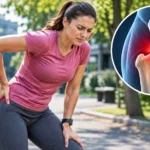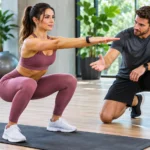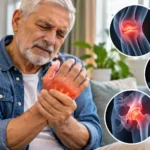

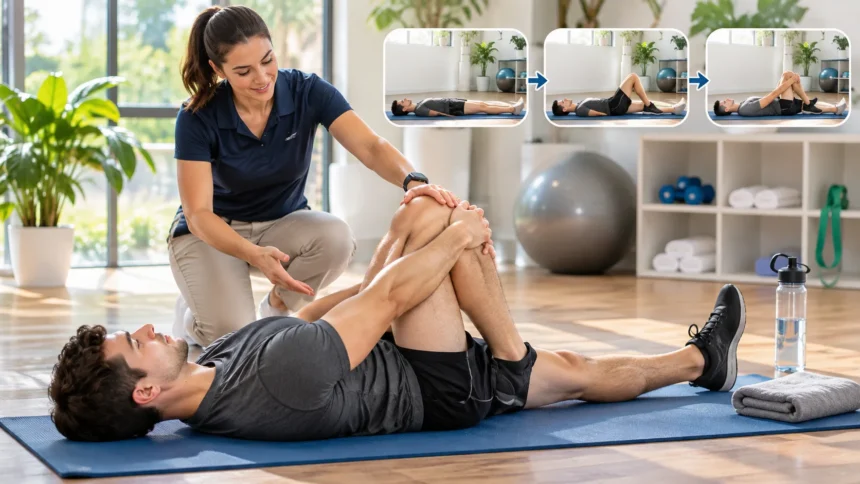
Learning how to stretch your knee can help improve flexibility, reduce mild stiffness, and make everyday movements more comfortable. Whether you spend long hours sitting, exercise regularly, or experience occasional tightness, gentle knee stretches can support healthy movement. However, the right technique is important because forcing the knee into uncomfortable positions may worsen existing problems.
Your knee works together with surrounding muscles, including the quadriceps, hamstrings, calves, and hip muscles. Tightness in these areas can affect how comfortably your knee bends and straightens. Practicing controlled movements and appropriate stretches may help maintain flexibility and support daily activities.
What Does It Mean to Stretch Your Knee?
Stretching your knee usually means improving flexibility in the muscles surrounding the joint and gently moving the knee through its comfortable range of motion. The knee itself is not a muscle that can be stretched in the traditional sense. Instead, nearby muscles and soft tissues influence how easily it bends and straightens. Gentle stretching can help maintain comfortable movement during everyday activities.
The quadriceps at the front of your thighs help straighten your knees, while the hamstrings at the back assist with bending. Your calf muscles and hip muscles also contribute to movement and stability. When these areas feel tight, certain activities may become less comfortable. Improving their flexibility can support smoother movement without forcing the knee joint beyond its natural limits.
Knee stretching is different from strength training, although both can support healthy movement. Stretching primarily targets flexibility and comfortable motion, while strengthening exercises help muscles control and stabilize the joint. A balanced approach may include both activities depending on your needs. People recovering from injuries or surgery should follow a rehabilitation plan recommended by their healthcare professional.
When Should You Stretch Your Knee?
Gentle knee stretching may be helpful when your legs feel stiff after sitting, standing, or remaining in one position for a long time. Controlled movements can help your joints move more comfortably during normal activities. However, stretching is not a treatment for every cause of knee discomfort. The right approach depends on whether symptoms involve ordinary tightness, an injury, or an underlying joint condition.
Stretching after a short warm-up is generally more comfortable than stretching when muscles are cold. Some people prefer gentle mobility exercises in the morning, while others stretch after walking or other light activities. Choose a time when you can move without rushing. Consistency and comfortable technique are more important than attempting difficult positions or forcing a greater range of motion.
Avoid stretching through sharp pain, significant swelling, or a feeling that your knee is unstable. Seek urgent medical care after a serious injury, if you cannot bear weight, or if the knee becomes hot and swollen with fever. A knee that locks and cannot straighten also needs prompt assessment. If you recently had knee surgery, follow your clinician’s specific movement restrictions.
How to Prepare Your Knee Before Stretching
Before beginning knee stretches, spend a few minutes warming up with comfortable movement. Walking slowly around your home or gently moving your legs while seated may help prepare your muscles. Avoid vigorous activity when your knee already feels irritated. A short warm-up should leave you feeling comfortable rather than tired, breathless, or more uncomfortable than before.
Choose a stable surface and wear clothing that allows your legs to move freely. A chair, exercise mat, or folded towel can provide support during different stretches. Keep a wall or sturdy piece of furniture nearby when performing standing movements. Having adequate support can help you maintain balance and focus on proper stretching technique instead of worrying about slipping.
Start with movements that feel easy and gradually explore your comfortable range of motion. Stretching may produce a mild pulling sensation in the targeted muscles, but it should not create sharp joint pain. Breathe normally and avoid holding your breath during each movement. If discomfort increases or your knee starts swelling, stop and reconsider whether stretching is appropriate.
How to Stretch Your Knee With Heel Slides
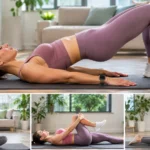
Heel slides are a simple knee mobility exercise that encourages comfortable bending and straightening. Begin by lying on your back on a bed or exercise mat with both legs extended. Slowly slide one heel toward your body while keeping it in contact with the surface. Continue only as far as your knee can bend comfortably without pinching or sharp pain.
Pause briefly when you reach a comfortable position, then slowly slide your heel away until the leg straightens naturally. Keep your movements smooth and avoid using sudden force to increase the bend. Your other leg can remain relaxed throughout the exercise. Repeat the motion several times if it continues to feel comfortable and does not increase your symptoms.
Heel slides can be useful for maintaining knee flexibility after periods of inactivity. They allow you to control the amount of bending without placing your full body weight on the joint. However, people recovering from certain injuries or procedures may have specific movement limitations. Follow professional guidance when rehabilitation instructions restrict how far your knee should bend.
How to Perform a Seated Knee Extension Stretch
A seated knee extension is another beginner-friendly movement for improving comfortable knee straightening. Sit upright in a stable chair with both feet resting on the floor. Slowly lift one foot by straightening your knee until you reach a comfortable position. Keep your back supported and avoid leaning excessively backward as your leg moves.
Hold the position briefly before lowering your foot toward the floor in a controlled manner. Do not force your knee into a locked or overly straight position. The movement should feel smooth and manageable rather than painful or strenuous. If you notice discomfort, reduce the range of motion or stop until you understand what is causing the problem.
This exercise also gently activates the quadriceps, which support knee extension and everyday leg movement. It may be useful for people who spend extended periods sitting and want to maintain comfortable mobility. However, it should not replace individualized rehabilitation when significant pain or weakness is present. A physiotherapist can recommend suitable modifications when necessary.
Step-by-Step Standing Quadriceps Stretch
The standing quadriceps stretch targets the muscles along the front of your thigh. Begin by standing beside a wall or sturdy chair and using one hand for balance. Bend one knee slowly and bring your heel toward your buttock. If comfortable, hold your ankle or trouser cuff gently with your free hand.
Keep your knees pointing generally downward and your torso upright during the stretch. Avoid pulling your foot forcefully or arching your lower back to increase the movement. Hold a comfortable position for approximately 15 to 30 seconds while breathing normally. Release your leg slowly and repeat on the opposite side if both knees tolerate the movement.
You should feel gentle tension in the front of your thigh rather than sharp pain inside the knee. If bending your knee causes discomfort, skip this stretch and choose a more comfortable alternative. Some people may benefit from a modified position recommended by a physiotherapist. Never force your heel toward your body when knee mobility is limited.
How to Stretch Your Hamstrings for Better Knee Mobility
Your hamstrings run along the back of your thighs and help control knee bending. Tightness in these muscles can sometimes make straightening your leg feel uncomfortable. A gentle lying hamstring stretch allows you to adjust the movement without placing significant weight on your knee. Start by lying comfortably on your back with one knee bent.
Raise the other leg slowly and support it behind the thigh or with a stretching strap around the foot. Keep a slight bend in the raised knee if fully straightening causes discomfort. Gently bring the leg toward your body until you feel a mild stretch behind the thigh. Avoid pulling aggressively or allowing your lower back to strain.
Hold the comfortable position for about 15 to 30 seconds before lowering the leg slowly. Repeat on the other side while keeping your breathing relaxed and your movements controlled. You do not need to straighten the knee completely to benefit from this stretch. The goal is comfortable hamstring flexibility rather than achieving the largest possible movement.
How to Stretch Your Calves to Support Knee Movement
Your calf muscles help control ankle movement and contribute to lower-leg function during walking. One major calf muscle, the gastrocnemius, crosses the knee joint and can influence how the leg moves. Gentle calf stretching may improve flexibility when these muscles feel tight. A standing wall stretch is a simple option that requires no special equipment.
Stand facing a wall and place both hands against it for support. Step one foot backward while keeping that heel on the floor and the toes pointing forward. Gently bend your front knee and lean toward the wall until you feel a stretch in the back calf. Keep the rear knee comfortably straight without forcing it backward.
Hold the stretch for approximately 15 to 30 seconds, then return to your starting position. Repeat with the opposite leg if it feels comfortable to do so. Avoid bouncing, twisting your feet, or lifting your back heel to increase the stretch. If the position creates knee pain or instability, stop and choose a safer alternative.
How to Stretch Your Hip Flexors Without Straining Your Knee
Hip flexor muscles connect the pelvis and upper leg and assist with lifting the thigh. When these muscles feel tight, certain standing and walking movements may become less comfortable. A supported standing hip flexor stretch can improve flexibility without requiring you to kneel on the floor. This makes it a useful option for people who find kneeling uncomfortable.
Stand beside a sturdy chair or wall and place one foot slightly behind the other. Keep your torso upright and gently move your pelvis forward while maintaining a comfortable position. You may feel a mild stretch near the front of the hip on your rear leg. Avoid arching your lower back or pushing your knee into an uncomfortable position.
Hold the stretch for about 15 to 30 seconds before returning to a relaxed standing posture. Switch sides and repeat if both legs feel comfortable. This movement primarily targets hip flexibility rather than stretching the knee directly. However, maintaining comfortable movement in nearby joints can complement a balanced lower-body mobility routine.
How to Improve Knee Straightening With Supported Positioning
Some people notice that their knee feels stiff when attempting to straighten it completely. Gentle positioning may help maintain comfortable extension without using force. Begin by lying on your back or sitting on a firm, supportive surface with your leg extended. Place a small rolled towel beneath your heel so the knee is comfortably supported by the surrounding position.
Allow the leg to relax while keeping the heel supported and the knee free from downward pressure. Do not push on the kneecap or place heavy objects over the knee to increase straightening. Remain in the position briefly only if it feels comfortable. Stop if you experience joint pain, tingling, numbness, or an uncomfortable pulling sensation.
This approach should remain gentle and should never involve forcing the joint beyond its available movement. Difficulty fully straightening the knee can sometimes indicate swelling, injury, or a mechanical problem rather than simple muscle tightness. Seek medical assessment if the knee becomes blocked or suddenly loses motion. Following a diagnosed rehabilitation plan is particularly important after surgery.
How to Create a Simple Knee Stretching Routine
A beginner knee mobility routine should focus on a few comfortable movements rather than many complicated exercises. Start with a short warm-up, followed by heel slides and seated knee extensions. If those movements feel comfortable, add gentle hamstring, quadriceps, or calf stretches according to your needs. Choose exercises that improve movement without causing additional knee irritation.
Begin with a small number of controlled repetitions for mobility exercises and short holds for muscle stretches. For example, you might try five comfortable heel slides before moving to another exercise. Static stretches can often be held for 15 to 30 seconds when tolerated. These numbers are starting points rather than strict requirements, so adjust them according to comfort.
Pay attention to how your knee feels during the routine and afterward. Mild muscle stretching sensations are generally acceptable, but increasing joint pain or swelling suggests that you should reduce or stop the activity. There is no need to push through discomfort or perform every exercise daily. A comfortable, sustainable routine is more useful than an aggressive stretching schedule.
Common Knee Stretching Mistakes and How to Avoid Them
One common mistake is trying to stretch a painful knee beyond its comfortable range. Forcing deep bends or complete straightening can aggravate irritated tissues, especially after an injury. Instead, move slowly and stop before the motion produces sharp discomfort. Improving flexibility should involve gradual progress rather than competing with previous stretching distances or forcing positions.
Another mistake is bouncing or making sudden movements during static stretches. These actions make it harder to control how much tension you place on the surrounding muscles. Hold positions steadily, maintain comfortable alignment, and continue breathing throughout the stretch. Using stable support during standing exercises can also help prevent unwanted twisting or loss of balance.
Finally, avoid assuming that stretching alone will solve every knee problem. Persistent stiffness may relate to muscle tightness, but pain, swelling, or restricted motion can have other causes. Strengthening, activity modification, or professional treatment may be necessary depending on the condition. Monitoring symptoms and seeking appropriate guidance can help you choose exercises that support recovery without creating further problems.
Conclusion
Learning how to stretch your knee can help you maintain flexibility, improve comfortable movement, and manage mild muscle tightness around the joint. Simple exercises such as heel slides, seated knee extensions, quadriceps stretches, and hamstring stretches provide accessible starting points. The most important factor is performing each movement slowly and staying within a comfortable range.
Effective knee stretching requires proper preparation, controlled technique, and attention to your body’s response. Gentle warm-ups, stable support, and relaxed breathing can make your routine more manageable. Avoid forcing movements or continuing exercises that produce sharp pain, swelling, or instability. People with injuries or medical conditions may need professional guidance before beginning certain stretches.
Maintaining knee mobility is often most effective when combined with appropriate strengthening, regular comfortable activity, and adequate recovery. You do not need complicated equipment or demanding workouts to begin practicing basic mobility exercises. Start with gentle movements, adjust according to comfort, and seek medical advice when symptoms persist. Consistent, safe habits can support comfortable knee movement over time.
Frequently Asked Questions
What is the best way to stretch your knee?
The best method depends on your mobility and symptoms. Gentle heel slides, seated knee extensions, and stretches for surrounding muscles may help. Avoid forcing the joint beyond its comfortable range.
Can stretching help relieve knee stiffness?
Yes, gentle stretching and mobility exercises may help reduce mild stiffness caused by inactivity or muscle tightness. However, persistent stiffness accompanied by swelling, pain, or restricted movement needs medical assessment.
How long should you hold a knee stretch?
Many comfortable muscle stretches can be held for approximately 15 to 30 seconds. The appropriate duration depends on the exercise and individual tolerance. Stop immediately if sharp pain or unusual discomfort develops.
Should you stretch your knee every day?
Gentle mobility exercises may be suitable daily when they do not worsen symptoms. However, stretching frequency should match your comfort, activity level, and medical needs rather than following a rigid schedule.
Is it safe to stretch a painful knee?
It depends on the cause of the pain. Mild stiffness may respond to gentle movement, but sharp pain, significant swelling, locking, or instability requires medical assessment before attempting further stretching.