

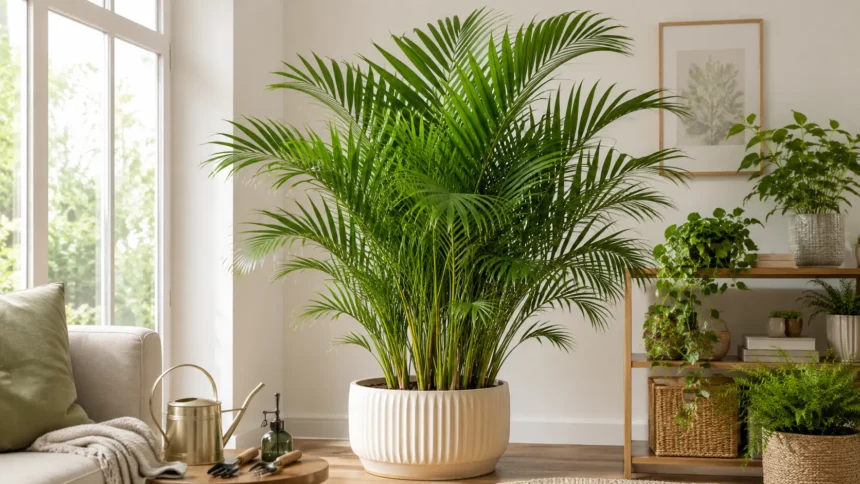
Majesty Palm: Easy Care Tips for Healthy, Lush Growth
The Majesty Palm is a graceful tropical plant known for its long, feathery green fronds and elegant appearance. Its botanical name is Ravenea rivularis, and it is native to Madagascar, where it naturally grows in warm, moist environments. Indoors, its lush foliage can instantly make living rooms, offices, bedrooms, and sunrooms feel brighter and more tropical.
Although Majesty Palms are widely sold as indoor plants, they need more consistent care than some other houseplant varieties. The key is understanding their preference for bright light, steady moisture, good drainage, warmth, and moderate-to-high humidity. Once you develop a routine around these basic needs, keeping the plant attractive becomes much easier.
Many common Majesty Palm problems, including yellow leaves, brown tips, drooping fronds, and slow growth, are caused by environmental stress rather than serious disease. Small adjustments to watering, lighting, humidity, or soil conditions can often make a noticeable difference. Paying attention to the appearance of the fronds helps you understand what the plant needs.
Whether you recently purchased a Majesty Palm or want to revive one that has started looking tired, consistent care matters more than complicated techniques. This guide covers Majesty Palm watering, sunlight requirements, soil, fertilizer, humidity, pruning, repotting, pest management, and other practical tips for encouraging healthy, lush growth.
What Is a Majesty Palm?
The Majesty Palm, scientifically known as Ravenea rivularis, is a tropical evergreen palm belonging to the Arecaceae family. It develops arching fronds made up of numerous narrow green leaflets, creating the soft and full appearance people associate with tropical landscapes. Young Majesty Palms are commonly grown in containers and sold as decorative indoor plants.
In its natural environment in Madagascar, the palm can grow much larger than the compact specimens typically seen inside homes. Outdoor plants in suitable tropical climates can eventually become substantial trees, while container-grown indoor plants grow considerably more slowly. Limited root space, indoor light levels, temperature, and environmental conditions naturally restrict their overall size.
One reason Majesty Palms remain popular is their ability to create a dramatic visual impact without requiring flowers or colorful foliage. Their upright stems and spreading green fronds work especially well in empty corners and larger rooms. They can complement modern, coastal, traditional, minimalist, and tropical-inspired interiors while adding natural texture.
However, describing a Majesty Palm as completely effortless can be misleading because it responds quickly to inconsistent conditions. It performs best when its environment remains relatively stable instead of constantly changing. Understanding this characteristic makes Majesty Palm indoor care much more manageable and helps prevent many problems before they become serious.
How Much Light Does a Majesty Palm Need?
Majesty Palms generally perform best in bright, indirect light, especially when they are grown indoors. Positioning the plant close to an east-, south-, or west-facing window can provide useful light, depending on the intensity and season. A location that feels bright throughout much of the day usually supports stronger, greener, and more balanced growth.
Some gentle direct morning or late-afternoon sunlight can be beneficial, particularly for plants that have gradually adapted to it. However, suddenly exposing a Majesty Palm that has been grown in lower light to intense afternoon sun may scorch its fronds. Increasing light gradually allows the plant to adjust without developing bleached or crispy patches.
Too little light is another common problem with indoor Majesty Palm plants. A palm kept in a dark corner may develop weak growth, lose lower fronds more quickly, or remain wet too long after watering because photosynthesis and water use have slowed. Moving the plant closer to natural light can often improve its overall appearance.
Rotate the container slightly every week or two if most of the light comes from one direction. This encourages more even growth and prevents the entire canopy from leaning toward the window. If natural daylight is limited, a suitable grow light may also help supplement the plant’s lighting needs during darker months.
How to Water a Majesty Palm Correctly
Proper Majesty Palm watering is one of the most important parts of keeping the plant healthy. These palms prefer soil that remains lightly and consistently moist, but they should never be left sitting in saturated soil. Water thoroughly when the upper portion of the potting mix begins to feel slightly dry rather than following a rigid calendar.
When watering, slowly apply enough water to moisten the entire root ball and allow excess moisture to drain from the bottom of the container. Empty any water that collects in a decorative outer pot or saucer so the roots are not continuously submerged. Good drainage allows the roots to receive both moisture and oxygen.
Underwatering often causes dry soil, drooping foliage, crispy leaf tips, or browning fronds, particularly when the surrounding air is also dry. Overwatering can produce yellow leaves, unpleasant-smelling soil, persistent wetness, and eventually root problems. Because some symptoms overlap, checking the moisture level of the soil before watering is important.
Watering frequency naturally changes depending on temperature, light, humidity, container size, soil composition, and season. A palm growing actively beside a bright window may need water more frequently than one receiving lower winter light. Instead of watering every seven days automatically, use the soil itself as your guide.
Best Soil and Pot for Majesty Palm Growth
The best Majesty Palm soil holds enough moisture to keep the roots hydrated while allowing excess water to drain freely. A quality indoor palm or houseplant potting mix can work well, particularly when it includes ingredients that improve aeration. Dense garden soil should generally be avoided because it may become compacted when used in containers.
Materials such as perlite, coarse sand, fine bark, or similar aerating components can help improve drainage when a potting mix feels too heavy. The goal is not to create extremely dry soil but to achieve a balance between moisture retention and airflow. Healthy palm roots require access to oxygen as well as water.
Always choose a container with drainage holes at the bottom. Decorative pots without drainage can trap water around the roots and significantly increase the risk of root rot. If you prefer a decorative planter, keep the palm in a nursery pot with drainage and place that container inside the decorative outer pot.
Avoid moving a small palm directly into an excessively large container because the additional soil can remain wet longer than the roots can use the moisture. When repotting, increasing the container size gradually is usually safer. A slightly larger pot gives the roots room to develop while keeping moisture levels easier to manage.
Humidity and Temperature Needs of Majesty Palm
Humidity plays an important role in successful Majesty Palm care indoors because the plant naturally comes from a humid tropical environment. Average household humidity may be acceptable in some homes, but extremely dry air often contributes to brown leaf tips and declining foliage. Maintaining moderate humidity can help the fronds remain softer and greener.
A humidifier is one of the most reliable ways to increase moisture in the air around indoor tropical plants. Grouping several plants together may also create a slightly more humid microclimate around their foliage. A humidity meter can be helpful when heating or air conditioning makes indoor air noticeably dry.
Majesty Palms also prefer consistently warm temperatures and generally thrive in the comfortable range found in many homes. Protect them from freezing temperatures, sudden cold drafts, and prolonged exposure to chilly windows. Rapid temperature changes can stress the foliage even when watering and lighting conditions appear correct.
Avoid positioning your palm directly beside heating vents, fireplaces, air conditioners, or frequently opened exterior doors. These areas can expose the plant to temperature fluctuations and dry moving air. A stable location with warmth, bright light, and reasonable humidity usually produces healthier growth than constantly moving the plant around the home.
How to Fertilize a Majesty Palm
Container-grown palms eventually use many of the nutrients available in their potting soil, making occasional feeding helpful during periods of active growth. A balanced houseplant or palm fertilizer can provide important nutrients when applied according to its label. Avoid assuming that more fertilizer will produce faster or greener growth.
Spring and summer are generally the most active growing periods for an indoor Majesty Palm because longer days provide more usable light. Fertilizing periodically during this time can support new frond development. Feeding should usually be reduced when growth slows significantly during cooler or darker parts of the year.
Overfertilizing can cause mineral salts to accumulate in container soil, potentially contributing to damaged roots or brown leaf tips. Applying fertilizer to already stressed or extremely dry plants can also make problems worse. Moist soil and conservative feeding are generally safer than frequent applications of highly concentrated fertilizer.
If you notice a visible crust on the soil surface or container edge, accumulated minerals may be part of the problem. Occasionally allowing plenty of water to flow through the potting mix can help remove some soluble salts, provided the container drains properly. Healthy Majesty Palm growth depends on balanced nutrition rather than excessive feeding.
Why Majesty Palm Leaves Turn Brown or Yellow
Brown tips are among the most common concerns people experience when growing a Majesty Palm indoors. Low humidity, inconsistent watering, mineral buildup, excessive fertilizer, or severely dry soil can all contribute to browning. A small amount of browning on older fronds is not always a sign that the entire plant is unhealthy.
Yellow Majesty Palm leaves can have several possible causes, making it important to examine the entire growing environment. Persistently wet soil and poor drainage are common possibilities, while nutrient issues and natural aging of older lower fronds may also play a role. One yellow leaf does not automatically mean the plant has root rot.
When troubleshooting discolored foliage, check the soil moisture before making major changes. If the soil remains soaked for long periods, reduce watering frequency and confirm that drainage holes are functioning correctly. If the soil repeatedly becomes completely dry, the palm may instead need more consistent moisture or a change in its watering routine.
Damaged fronds will not normally become completely green again, so focus on improving the conditions that affect new growth. Watch the newest leaves over several weeks rather than expecting damaged foliage to recover immediately. Healthy new fronds are often the clearest indication that adjustments to Majesty Palm care are working.
How to Prune a Majesty Palm Without Damaging It
Pruning helps keep a Majesty Palm attractive, but excessive trimming can reduce the amount of healthy foliage available for photosynthesis. Remove fronds that have become fully brown, badly damaged, or clearly dead rather than routinely cutting healthy green leaves. Use clean, sharp pruning shears to create neat cuts.
Cut damaged fronds near their base without injuring the main stems or nearby healthy tissue. If only the very ends of the leaflets are brown, you can carefully trim the dry portions for appearance while leaving as much green tissue as possible. Avoid cutting deeply into healthy areas solely to create perfectly shaped leaves.
A Majesty Palm naturally sheds older foliage as new fronds develop, so occasional lower-leaf yellowing can be part of normal growth. Removing a declining lower frond after it has mostly lost its green color can improve appearance. Constant removal of partially healthy foliage, however, may leave the palm thinner and more stressed.
Always clean pruning tools before working on the plant, particularly if they have previously been used on diseased plants. Good sanitation reduces the chance of transferring pathogens between houseplants. Regularly removing completely dead plant material can also make it easier to inspect the stems and foliage for pests.
When and How to Repot a Majesty Palm
A Majesty Palm does not need to be repotted every time you see roots near the soil surface. Palms can tolerate being somewhat snug in their containers, and unnecessary repotting can disturb healthy roots. Consider repotting when roots have significantly filled the container, drainage becomes difficult, or the plant dries unusually quickly after watering.
Spring or early summer can be a convenient time to repot because the plant is generally entering a more active period of growth. Choose a container only slightly larger than the existing one and make sure it contains adequate drainage holes. Prepare fresh, well-draining potting mix before removing the palm from its original container.
Handle the root system gently and avoid removing large quantities of healthy roots unnecessarily. Position the palm at approximately the same soil depth it occupied in its previous container. Burying stems too deeply may create unwanted moisture around tissues that were previously above the soil surface.
After repotting, water thoroughly and allow the excess moisture to escape through the drainage holes. Keep the plant in stable lighting and avoid making several major environmental changes at the same time. Temporary stress after repotting can occur, but gentle handling and proper aftercare help the palm adjust more easily.
Common Majesty Palm Pests and How to Handle Them
Spider mites are among the most common pests affecting indoor Majesty Palms, particularly in warm and dry household conditions. Because the palm has many narrow leaflets, small infestations can be difficult to notice immediately. Fine webbing, stippling, faded foliage, and tiny moving specks are signs worth investigating.
Scale insects and mealybugs may also appear on indoor palms or nearby houseplants. Inspect both the upper and lower surfaces of leaves as well as the stems and leaf bases. Catching a pest problem early usually makes management much easier than waiting until insects have spread across much of the plant.
Isolate an infested palm from other indoor plants whenever possible while you address the problem. Depending on the pest, physically washing foliage and using an appropriate insecticidal soap or horticultural product according to label instructions may help. Several treatments may be necessary because newly emerging pests can survive an initial application.
Routine prevention can be as valuable as treatment. Check foliage regularly, keep the plant appropriately hydrated, avoid severely dry indoor air, and inspect new plants before placing them beside established houseplants. Healthy plants can still get pests, but early detection reduces the chances of a minor infestation becoming a serious problem.
How to Encourage Lush, Healthy Majesty Palm Growth
Healthy Majesty Palm growth starts with consistency rather than trying to maximize one individual factor. A palm receiving ideal fertilizer but inadequate light will still struggle, just as a brightly lit palm may decline if its roots remain waterlogged. Successful care comes from balancing sunlight, moisture, drainage, warmth, humidity, and nutrition.
Observe how quickly the soil dries after each watering because this provides useful information about the plant’s environment. Very slow drying can indicate low light, cool conditions, dense soil, or an oversized container. Extremely rapid drying may suggest strong light, warm air, a root-bound plant, or a potting mixture that holds too little moisture.
Clean foliage can also improve both appearance and plant maintenance. Dust buildup reduces the fresh look of the fronds and can make pests harder to spot. Occasionally wiping or gently rinsing the leaves helps keep the foliage clean, but avoid using oily leaf-shine products that may leave unnecessary residue.
Most importantly, give your Majesty Palm time to respond after making changes. Frequently moving the plant, changing watering routines, repotting, fertilizing, and pruning simultaneously makes it difficult to determine what is helping. Create a stable care routine, monitor the newest growth, and make gradual adjustments when necessary.
Majesty Palm Care Mistakes to Avoid
One of the biggest mistakes is placing a Majesty Palm in an attractive but very dark corner simply because it fits the room’s décor. Although the plant may survive temporarily, insufficient light can gradually weaken it. Choose its location based on plant needs first and use décor considerations to refine that choice.
Another mistake is allowing the soil to swing repeatedly between extremely dry and completely saturated conditions. Majesty Palms generally appreciate steadier moisture than many drought-tolerant houseplants. Checking the soil regularly helps you water according to actual conditions instead of responding only after the fronds begin to deteriorate.
People sometimes respond to yellowing leaves by immediately adding fertilizer, but nutrients are not always the cause. If damaged roots cannot function properly because the soil is waterlogged, fertilizer may add additional stress rather than solve the problem. Always examine moisture, drainage, light, temperature, and pests before assuming a nutrient deficiency.
Finally, avoid expecting every frond to remain permanently flawless. Indoor plants naturally replace older leaves, and small brown tips may occur even when a Majesty Palm is generally healthy. Judge the plant by its overall condition, root health, and production of new foliage rather than focusing entirely on minor cosmetic imperfections.
Is a Majesty Palm a Good Indoor Plant?
A Majesty Palm can be an excellent indoor plant for someone willing to provide bright light and consistent care. Its soft, arching foliage makes a strong visual statement, particularly in rooms with enough space for the leaves to spread. Larger specimens can function almost like living pieces of décor.
It may not be the easiest choice for people looking for a houseplant that can tolerate weeks of neglect. Majesty Palms usually respond better to regular monitoring than highly drought-tolerant plants such as snake plants. Their need for good lighting and relatively steady moisture means placement and watering routines deserve attention.
For plant owners who enjoy observing and caring for their houseplants, these requirements are manageable. Checking soil moisture, providing adequate humidity, rotating the container, inspecting for pests, and occasionally feeding the plant can become part of a straightforward routine. The biggest advantage comes from learning how your individual plant responds to its particular environment.
With the right conditions, a Majesty Palm can remain an attractive feature in the home while continuously producing elegant tropical foliage. Rather than searching for one secret trick, focus on consistency across all areas of care. Bright light, proper watering, warm temperatures, healthy soil, drainage, humidity, and patience provide the strongest foundation for lush growth.
Final Thoughts on Majesty Palm Care
Growing a healthy Majesty Palm is mostly about recreating some of the warm, bright, and moist conditions the plant prefers naturally. Provide plenty of bright indirect light, water when the upper soil begins drying, and make sure extra water can drain freely. These three fundamentals prevent many of the problems indoor palms commonly experience.
Humidity and temperature also deserve attention, particularly during winter or in heavily air-conditioned homes. Keep the palm away from extremely dry airflow and dramatic temperature changes while watching the tips of the leaves for signs of stress. Small environmental improvements often produce better results than frequent use of fertilizers or other products.
Remember that yellow or brown leaves do not always indicate a major problem. Older fronds naturally decline, and leaves already damaged by environmental stress will not instantly recover after conditions improve. Pay particular attention to emerging foliage because new healthy growth provides a better picture of your Majesty Palm’s current condition.
With patience and a consistent routine, caring for a Majesty Palm becomes much easier to understand. Learn how quickly your plant uses water, identify the brightest appropriate location in your home, and adjust care gradually as seasons change. The result can be a fuller, greener palm that brings a beautiful tropical atmosphere indoors.
Frequently Asked Questions About Majesty Palm
How often should I water a Majesty Palm?
Water when the upper layer of soil starts feeling slightly dry. Keep the soil consistently moist but never waterlogged, and always allow excess water to drain from the pot.
Does a Majesty Palm need direct sunlight?
Majesty Palms prefer plenty of bright, indirect light. Gentle morning sunlight can be beneficial, but sudden exposure to intense afternoon sun may burn foliage that has not been acclimated.
Why are the tips of my Majesty Palm turning brown?
Brown tips may result from dry air, inconsistent watering, excess fertilizer, mineral buildup, or environmental stress. Check humidity, soil moisture, and your feeding routine before making major changes.
Can Majesty Palms grow indoors?
Yes. Majesty Palms can grow indoors when provided with adequate light, consistent moisture, warmth, humidity, and good drainage. Bright indoor locations generally produce the healthiest growth.
Should I cut brown leaves off my Majesty Palm?
Fully brown or dead fronds can be removed with clean pruning shears. If only the tips are brown, trim the damaged portions carefully while preserving as much healthy green tissue as possible.