

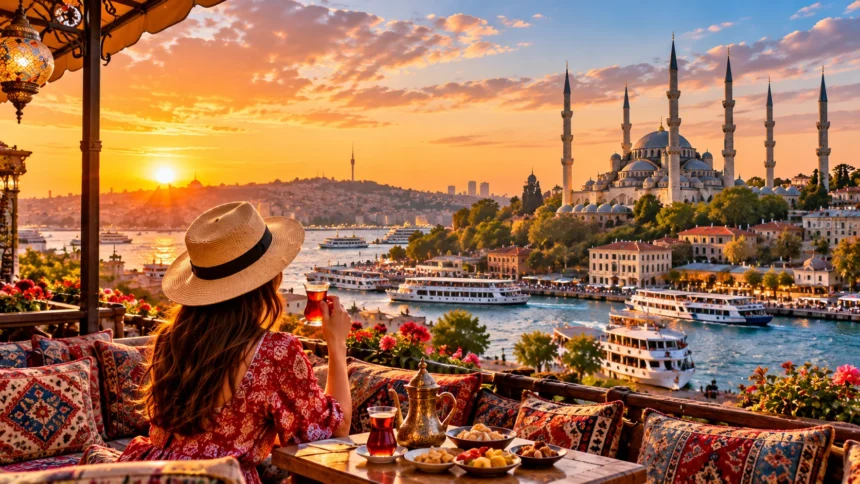
Istanbul is one of the world’s most fascinating travel destinations, famous for its magnificent mosques, historic palaces, colorful markets, and breathtaking Bosphorus views. Located between Europe and Asia, this remarkable Turkish city combines centuries of history with modern attractions and vibrant cultural experiences. From impressive Ottoman architecture to lively waterfront neighborhoods, Istanbul offers unforgettable experiences for travelers with different interests.
The best things to do in Istanbul include exploring Hagia Sophia, visiting the Blue Mosque, discovering Topkapi Palace, and enjoying a scenic Bosphorus ferry ride. Travelers can also wander through traditional bazaars, admire beautiful city viewpoints, and experience authentic Turkish cuisine. Every neighborhood offers something different, making Istanbul an excellent destination for history enthusiasts, photographers, families, and cultural explorers.
This Istanbul travel guide highlights the city’s most popular attractions, historic landmarks, and unique experiences. You will discover beautiful places to visit, cultural neighborhoods, traditional markets, and practical travel tips. Whether you are planning a short city break or a longer Turkish vacation, these destinations will help you explore Istanbul’s remarkable history and distinctive atmosphere.
Visit Hagia Sophia and Discover Its Remarkable History
Hagia Sophia is one of Istanbul’s most recognizable landmarks and an extraordinary example of Byzantine architecture. Originally completed in 537 during the reign of Emperor Justinian I, the building has served different religious and cultural purposes throughout its history. Its massive dome, decorative details, and historical significance make it one of the city’s most important attractions.
Visitors can admire the building’s magnificent exterior and appreciate the architectural features that have survived for centuries. Inside the designated visitor areas, impressive decorative elements reflect different periods of Byzantine and Ottoman history. The building currently functions as an active mosque. Tourist access is therefore subject to separate entrance arrangements, admission requirements, and prayer schedules.
Hagia Sophia is located in Sultanahmet, close to several other famous historical attractions. Travelers can combine their visit with the Blue Mosque, Basilica Cistern, and nearby public squares. Modest clothing and respectful behavior are important when visiting religious landmarks. Checking current visitor rules before arrival helps create a smoother and more enjoyable sightseeing experience.
Explore the Magnificent Blue Mosque
The Blue Mosque, officially known as Sultan Ahmed Mosque, is one of Istanbul’s most beautiful religious landmarks. Built during the early seventeenth century, it is famous for its elegant domes, six minarets, and magnificent architectural design. The mosque takes its popular name from the decorative blue Iznik tiles found inside. Its impressive appearance makes it an essential Istanbul attraction.
Visitors can admire the mosque’s spacious courtyard, graceful arches, and intricate architectural details. The interior features beautiful tilework, decorative calligraphy, and impressive domed ceilings. Natural light enters through numerous windows, creating a peaceful atmosphere. The mosque remains an active place of worship, so sightseeing access is restricted during prayer periods.
The Blue Mosque stands opposite Hagia Sophia, making both attractions convenient to explore during the same morning or afternoon. Admission to the mosque is generally free, although visitors must follow appropriate clothing and behavior guidelines. Arriving outside busy prayer periods can make sightseeing easier. The surrounding Sultanahmet Square also offers beautiful opportunities for photography.
Discover Topkapi Palace and Ottoman Royal Heritage
Topkapi Palace is one of Istanbul’s most important historical attractions and a remarkable example of Ottoman imperial architecture. For centuries, the palace served as a residence and administrative center for Ottoman sultans. Its extensive complex includes beautiful courtyards, decorated chambers, gardens, and historical exhibitions. Visitors can discover fascinating details about imperial life and governance.
The palace museum contains important collections associated with Ottoman history, including ceremonial objects, historical manuscripts, and decorative artwork. Visitors can explore selected palace sections while learning about the traditions of the imperial court. The Harem is another important area, with separate access arrangements depending on the current ticket structure. Its architecture and historical displays provide additional cultural insights.
Topkapi Palace also offers beautiful views across the Bosphorus, Golden Horn, and surrounding waterfront areas. The location makes it particularly attractive for photography and historical sightseeing. Visitors should allow several hours because the complex contains numerous rooms and courtyards. Advance ticket planning may help during busy travel periods.
Explore the Basilica Cistern Beneath Istanbul
The Basilica Cistern is one of Istanbul’s most unusual historical attractions, located beneath the streets of Sultanahmet. Constructed during the Byzantine period, this enormous underground water reservoir supported the city’s historical water supply system. Its impressive architecture features hundreds of stone columns rising above shallow water. The atmospheric setting creates a memorable experience for visitors.
The cistern is particularly famous for its beautifully arranged columns and mysterious Medusa head sculptures. Carefully designed lighting highlights the underground architecture and reflections across the water. Visitors can explore designated walkways while learning about the structure’s engineering and historical importance. The combination of ancient craftsmanship and atmospheric surroundings makes it an excellent photography destination.
The Basilica Cistern is conveniently located near Hagia Sophia and the Blue Mosque. Travelers can combine these attractions during a visit to Istanbul’s historic peninsula. Entry requires a ticket, and operating arrangements may vary during special events or maintenance. Comfortable footwear is useful because the underground environment can feel damp.
Shop at the Famous Grand Bazaar
The Grand Bazaar is one of Istanbul’s most famous shopping destinations and an important part of its trading history. Established during the Ottoman period, this enormous covered marketplace contains thousands of shops spread across interconnected streets. Visitors can discover traditional carpets, jewelry, ceramics, textiles, and decorative products. Its lively atmosphere makes shopping a cultural experience.
Walking through the Grand Bazaar allows travelers to appreciate beautiful vaulted ceilings, colorful merchandise, and traditional commercial architecture. Shopkeepers display handmade products alongside modern souvenirs and accessories. The market is particularly attractive for visitors interested in Turkish craftsmanship. Exploring different sections reveals the variety of products available within this historic trading center.
The Grand Bazaar can become crowded during busy shopping periods, so allowing additional time is helpful. Comparing prices and communicating respectfully with sellers can improve the experience. Visitors should keep personal belongings secure while exploring the narrow market streets. Even without purchasing anything, wandering through the bazaar offers a fascinating introduction to Istanbul’s commercial heritage.
Visit the Spice Bazaar and Experience Turkish Flavors
The Spice Bazaar, also known as the Egyptian Bazaar, is another famous historical marketplace in Istanbul. Located in Eminonu, it is particularly known for its aromatic spices, traditional sweets, teas, and regional food products. The market’s colorful displays create an exciting sensory experience. Visitors interested in Turkish cuisine will find plenty of interesting products to discover.
Traditional stalls sell spices, dried fruits, nuts, Turkish delight, and other local specialties. Travelers can browse the market while learning about ingredients commonly used in Turkish cooking. Decorative food displays and historical architecture contribute to the bazaar’s distinctive atmosphere. The surrounding streets also contain numerous small shops selling additional traditional products.
The Spice Bazaar is conveniently located near the Golden Horn and several important historical attractions. Visitors can combine a market excursion with a Bosphorus ferry ride or a walk through nearby neighborhoods. Purchasing food products from reputable sellers is recommended. Spending time here offers a delicious introduction to Istanbul’s culinary traditions.
Enjoy a Scenic Bosphorus Cruise
A Bosphorus cruise is one of the most memorable experiences in Istanbul. The Bosphorus Strait separates the city’s European and Asian sides while connecting the Black Sea with the Sea of Marmara. Traveling along this famous waterway provides spectacular views of waterfront palaces, historic fortresses, and modern neighborhoods. The scenery reveals Istanbul’s extraordinary geographical setting.
Visitors can choose between public ferries and organized sightseeing cruises, depending on their interests and schedules. Popular routes pass beautiful landmarks such as Dolmabahce Palace, Ortakoy Mosque, and the Bosphorus bridges. The surrounding waterfront neighborhoods provide impressive opportunities for photography. Evening journeys can be particularly attractive when the city lights reflect across the water.
Public ferries often provide an affordable way to experience the Bosphorus while traveling between different districts. Longer sightseeing cruises may include commentary about historical landmarks and local architecture. Weather and sea conditions can affect operating schedules, especially during windy periods. Checking departure locations and current services helps travelers plan a comfortable journey.
Visit Galata Tower for Panoramic City Views
Galata Tower is one of Istanbul’s most recognizable historical landmarks, rising above the lively Galata neighborhood. The medieval stone tower has played different roles throughout the city’s history. Today, it attracts visitors interested in panoramic views and architectural heritage. Its distinctive circular structure creates an impressive feature of Istanbul’s skyline.
The tower’s elevated viewing areas offer beautiful perspectives across the Golden Horn, Bosphorus, and surrounding city neighborhoods. Visitors can admire historic rooftops, waterfront buildings, and distant landmarks. The surrounding Galata streets contain charming cafés, traditional shops, and attractive architecture. Exploring the neighborhood is enjoyable even without entering the tower.
Galata Tower is particularly popular around sunset because changing light creates beautiful views across Istanbul. Admission and viewing arrangements may change, making advance planning useful. Nearby pedestrian streets connect the area with Karakoy and Istiklal Avenue. Spending a few hours in Galata provides a wonderful combination of history, city views, and local atmosphere.
Explore Istiklal Avenue and Taksim Square
Istiklal Avenue is one of Istanbul’s most famous pedestrian streets, known for its shopping, entertainment, and historical architecture. Stretching through the Beyoglu district, it features restaurants, bookstores, galleries, and cultural landmarks. Visitors can experience the city’s modern energy while admiring traditional buildings. The avenue is particularly attractive for travelers interested in urban sightseeing.
The historic red tram is one of Istiklal Avenue’s most recognizable features. Its traditional appearance creates an interesting contrast with the busy shopping streets. Travelers can explore nearby passages, discover small cafés, and admire beautifully decorated building facades. Cultural venues and galleries provide opportunities to experience Istanbul’s creative atmosphere.
Taksim Square stands at one end of Istiklal Avenue and serves as an important public gathering place. The surrounding area contains hotels, restaurants, and transportation connections. Visitors can combine a walk along Istiklal Avenue with nearby Galata attractions. The district becomes especially lively during evenings and weekends.
Discover Dolmabahce Palace and Its Elegant Architecture
Dolmabahce Palace is one of Istanbul’s most impressive nineteenth-century landmarks, located beside the Bosphorus waterfront. Built during the Ottoman Empire, the palace reflects European architectural influences combined with Ottoman decorative traditions. Its grand appearance contrasts with the earlier design of Topkapi Palace. Visitors can explore magnificent interiors while learning about a later period of imperial history.
The palace features elaborate halls, decorative ceilings, impressive chandeliers, and beautifully furnished rooms. Its grand ceremonial spaces demonstrate the wealth and artistic ambitions of the Ottoman court. Guided visits provide insights into historical events and the building’s importance. The surrounding gardens offer attractive views of the Bosphorus and nearby waterfront.
Dolmabahce Palace is also closely associated with Mustafa Kemal Ataturk, the founder of modern Türkiye. Visitors interested in Turkish history will find this connection particularly meaningful. Admission arrangements and photography restrictions may apply inside the palace. Allowing sufficient time helps travelers appreciate both the historical exhibits and surrounding grounds.
Explore Balat and Fener’s Colorful Historic Streets
Balat and Fener are among Istanbul’s most interesting historical neighborhoods, known for their colorful buildings and distinctive cultural heritage. Located near the Golden Horn, these areas feature narrow streets, traditional houses, and important religious landmarks. Visitors can experience a different side of Istanbul away from its busiest tourist attractions. Their architectural character makes them particularly appealing for photography.
The neighborhoods contain beautifully painted buildings, small cafés, and historic streets reflecting Istanbul’s diverse communities. Travelers can discover traditional shops and admire architecture associated with different periods of the city’s history. Fener is also connected with the Ecumenical Patriarchate of Constantinople. These features provide valuable insights into the area’s cultural and religious heritage.
Exploring Balat and Fener on foot allows visitors to discover quieter streets and local businesses. Some pathways are steep, so comfortable walking shoes are useful. Travelers should respect residents’ privacy when photographing homes and neighborhoods. Spending a relaxed morning or afternoon here offers an engaging contrast to Istanbul’s major monuments.
Visit Suleymaniye Mosque and Admire the Skyline
Suleymaniye Mosque is one of Istanbul’s most magnificent architectural landmarks, located on one of the city’s historic hills. Designed by the famous Ottoman architect Mimar Sinan, the mosque was completed during the sixteenth century. Its elegant domes and minarets dominate the surrounding skyline. The complex remains an important example of classical Ottoman architecture.
Visitors can admire the mosque’s spacious courtyard, balanced design, and impressive interior details. The surrounding complex includes historical structures associated with education and community life. Its elevated position provides beautiful views across the Golden Horn and surrounding neighborhoods. The peaceful atmosphere makes it an excellent destination for architectural appreciation.
Suleymaniye Mosque is located within walking distance of several traditional market areas. Travelers can combine a visit with nearby historic streets and local restaurants. As an active mosque, it has visitor restrictions during prayer times. Respectful clothing and appropriate behavior are important when exploring the complex.
Discover Kadikoy and Istanbul’s Asian Side
Kadikoy is one of Istanbul’s most vibrant neighborhoods on the Asian side of the city. Known for its lively food markets, colorful streets, and relaxed atmosphere, it offers a different perspective on everyday Istanbul life. Visitors can reach the district by ferry from several European-side locations. The journey itself provides beautiful views across the Bosphorus.
Kadikoy contains traditional markets, independent cafés, bookstores, and restaurants serving a variety of Turkish dishes. Travelers can explore the neighborhood’s food streets while discovering local ingredients and regional specialties. The surrounding area also features attractive architecture and cultural spaces. Walking through Kadikoy provides opportunities to experience Istanbul beyond its historic tourist center.
Nearby Moda is another popular destination, particularly for its waterfront parks and relaxed coastal atmosphere. Visitors can enjoy scenic walks while admiring views across the Sea of Marmara. The area becomes especially pleasant during mild weather and late afternoon hours. Combining Kadikoy and Moda creates a memorable introduction to Istanbul’s Asian side.
Take a Day Trip to the Princes’ Islands
The Princes’ Islands offer a peaceful escape from Istanbul’s busy streets and crowded attractions. Located in the Sea of Marmara, the islands are famous for their beautiful coastal scenery, traditional houses, and quieter atmosphere. Buyukada is the largest and most popular island for visitors. Its picturesque streets and natural surroundings make it an enjoyable day-trip destination.
Travelers can reach the islands using public ferry services from different parts of Istanbul. Once there, visitors can explore designated walking routes, admire historical mansions, and enjoy seaside restaurants. Some islands offer beaches and recreational facilities during warmer months. Transportation arrangements vary, with walking, bicycles, and approved electric services available in selected areas.
Buyukada is particularly attractive during spring and autumn when temperatures are comfortable for exploring. Summer weekends can become crowded as residents and tourists visit the islands. Ferry schedules should be checked carefully before departure, especially when planning a same-day return. A full-day excursion provides time to appreciate the islands’ peaceful atmosphere.
Experience Traditional Turkish Food in Istanbul
Turkish cuisine is one of the most enjoyable parts of visiting Istanbul. The city offers an impressive variety of traditional dishes influenced by its history and geographical location. Visitors can discover flavorful kebabs, freshly baked breads, soups, and regional specialties. Exploring local restaurants and food markets provides a memorable introduction to Turkish culinary traditions.
Popular foods include simit, doner, pide, lahmacun, and different varieties of Turkish breakfast. Travelers can also enjoy baklava, Turkish delight, and traditional desserts. Tea is an important part of everyday social life, while Turkish coffee remains a distinctive cultural tradition. Small neighborhood restaurants often provide enjoyable opportunities to try authentic local meals.
Istanbul’s food culture varies between neighborhoods, making culinary exploration particularly rewarding. Areas such as Kadikoy, Eminonu, and Karakoy feature numerous traditional eateries and bakeries. Visitors can enjoy fresh seafood near the waterfront or discover local specialties in historical districts. Choosing reputable establishments and exploring different neighborhoods makes dining an important part of the travel experience.
Best Time to Visit Istanbul and Essential Travel Tips
The best time to visit Istanbul is generally during spring and autumn, when temperatures are comfortable for sightseeing. April through May often brings pleasant weather and beautiful seasonal flowers. September and October are also attractive because the summer heat gradually decreases. These periods are particularly suitable for walking through historic neighborhoods and exploring outdoor attractions.
Summer can be hot and busy, especially around major landmarks and popular waterfront destinations. Winter brings cooler temperatures, rain, and occasional snow, although the city remains interesting throughout the year. Travelers should prepare for changing weather conditions and carry comfortable walking shoes. Layered clothing is useful when exploring different parts of the city.
Istanbul has an extensive transportation system that includes metro lines, trams, buses, and ferries. An Istanbulkart can make public transportation more convenient across supported services. Visitors should also check passport requirements, visa rules, and current attraction schedules before departure. Organizing sightseeing by neighborhood helps reduce travel time and create a more enjoyable itinerary.
Conclusion
Istanbul is an extraordinary destination where historical landmarks, cultural traditions, and modern urban experiences come together. Famous attractions such as Hagia Sophia, the Blue Mosque, and Topkapi Palace showcase the city’s remarkable heritage. The Grand Bazaar, Galata Tower, and Bosphorus waterfront provide additional sightseeing opportunities. Every neighborhood reveals a different part of Istanbul’s fascinating identity.
The best things to do in Istanbul depend on your interests and preferred travel experiences. History enthusiasts can explore magnificent mosques and palaces, while cultural travelers can discover traditional markets and historic neighborhoods. Scenic ferry journeys and the Princes’ Islands offer opportunities to appreciate the city’s natural surroundings. Turkish cuisine adds another memorable dimension to the experience.
Planning your Istanbul itinerary carefully will help you explore its attractions without unnecessary travel pressure. Consider spending several days around Sultanahmet before discovering Beyoglu, Kadikoy, and the Bosphorus. Check current visitor arrangements, transportation options, and seasonal weather before traveling. With its beautiful architecture and vibrant cultural heritage, Istanbul offers an unforgettable Turkish vacation.
Frequently Asked Questions
What are the best things to do in Istanbul?
The best things to do in Istanbul include visiting Hagia Sophia, exploring the Blue Mosque, touring Topkapi Palace, shopping at the Grand Bazaar, and enjoying a scenic Bosphorus ferry ride.
How many days do you need to explore Istanbul?
Four to five days are suitable for exploring Istanbul’s major attractions. Travelers interested in visiting the Asian side, Princes’ Islands, and additional historical neighborhoods may prefer six or seven days.
What is the best time to visit Istanbul?
April through May and September through October are generally excellent periods for visiting Istanbul. These months often provide comfortable weather for sightseeing, walking, and exploring historical attractions.
Is Istanbul expensive for tourists?
Istanbul offers accommodation, restaurants, and attractions for different budgets. Public transportation and local eateries can help reduce expenses, while luxury hotels and premium experiences generally cost more.
Is Istanbul safe for international tourists?
Istanbul is a major international tourist destination, but visitors should take normal urban safety precautions. Keep belongings secure in crowded areas, use reputable transportation, and check current travel guidance before departure.