

Home Remedies for Athlete’s Foot: What Actually Works?
Athlete’s foot can make the skin between your toes feel itchy, sore and uncomfortable. You may notice peeling, cracking, burning or a white, soggy appearance after removing your socks. Although the condition is common, it can persist or spread when the feet remain warm and damp.
Many people search for home remedies for athlete’s foot because they want quick relief without visiting a clinic. Good foot hygiene, moisture control and over-the-counter antifungal treatment can often manage a mild infection at home. However, most kitchen ingredients and essential oils have not been shown to cure it reliably.
Athlete’s foot is caused by fungi rather than poor cleanliness alone. Washing your feet repeatedly will not remove an established infection, and harsh products can damage the protective skin barrier. Effective treatment needs to reduce moisture while directly controlling the fungus.
This guide explains which athlete’s foot remedies are useful, which popular treatments should be avoided and how to prevent the infection from returning. It also covers different symptoms, treatment timelines and warning signs that require help from a pharmacist, podiatrist or doctor.
Quick Answer: What Is the Best Home Remedy for Athlete’s Foot?
The most effective at-home approach is to use a suitable antifungal cream, spray, solution or powder while keeping your feet clean and thoroughly dry. Products containing ingredients such as terbinafine, clotrimazole or miconazole are commonly used, although the correct option depends on your symptoms and health.
Wash your feet gently once or twice a day and dry carefully between every toe. Change damp socks promptly, rotate your shoes and choose footwear that allows heat and moisture to escape. These steps make the environment less favourable for the fungus and support the medicine.
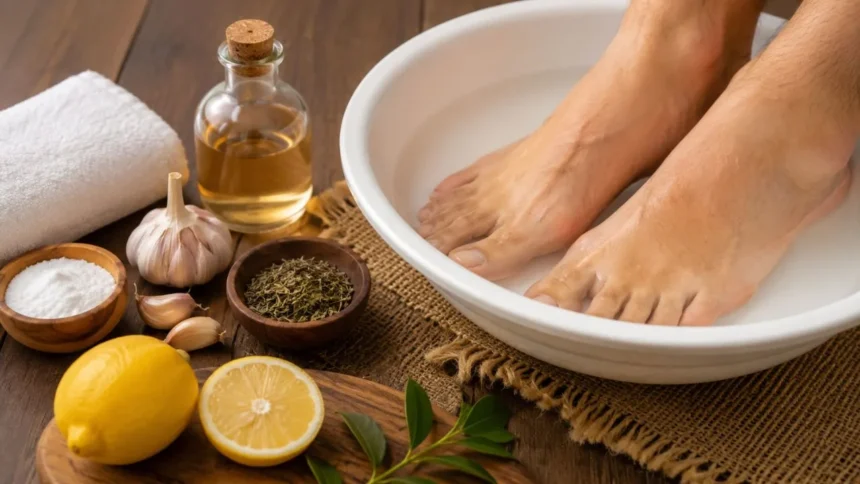
A cool compress may temporarily soothe burning or itching, but it will not eliminate the infection. Vinegar, tea tree oil, baking soda and similar household remedies have limited or inconsistent evidence and may delay more dependable treatment.
Do not cut, scrape or peel infected skin. Seek medical advice if the rash is severe, spreading, painful or not improving after appropriate pharmacy treatment. People with diabetes, poor circulation or a weakened immune system should obtain professional guidance earlier.
What Is Athlete’s Foot?
Athlete’s foot is a fungal skin infection medically known as tinea pedis. The fungi responsible prefer warm, dark and moist environments, which is why the condition frequently develops between the toes or inside sweaty, enclosed footwear.
You do not have to be an athlete to develop it. Anyone can pick up the fungus through direct skin contact or by walking barefoot on contaminated floors in changing rooms, showers, swimming areas and other shared spaces.
The infection can affect one foot or both feet. It may remain between the toes, spread across the sole or extend towards the sides and heel. Without proper treatment, the fungus may also reach the toenails, hands or groin.
Athlete’s foot is usually treatable, but it often returns when treatment stops too early or footwear remains damp and contaminated. Combining antifungal medicine with practical hygiene measures gives you a better chance of clearing the infection fully.
What Does Athlete’s Foot Look and Feel Like?
The classic form causes itchy, peeling or cracked skin between the toes. The area may look white and soft from trapped moisture, particularly between the fourth and fifth toes where airflow is limited.
Inflamed skin may appear red, pink, purple, grey or darker than the surrounding area, depending on your natural skin tone. It can sting or burn, especially after removing tight socks and shoes or after exercising.
Some people develop dry, scaly skin across the sole and sides of the foot. This pattern is sometimes called moccasin-type athlete’s foot because the rash can cover an area similar to the shape of a shoe.
A more inflammatory form can produce small fluid-filled blisters, intense itching and raw skin. Because eczema, contact dermatitis, psoriasis and bacterial infections can look similar, an uncertain or unusual rash should be professionally assessed.
Can Athlete’s Foot Go Away Naturally?
A very mild infection may appear to improve when the feet become cooler and drier. However, athlete’s foot does not reliably clear without antifungal treatment, and symptoms can return when the fungus remains within the outer layers of skin.
Itching may decrease before the infection has completely disappeared. Stopping treatment at this stage gives the remaining fungi an opportunity to grow again, which is one reason recurring athlete’s foot is so common.
Home care is valuable because it controls the moisture and heat that help fungi thrive. However, drying the feet alone may not remove an established infection, particularly when the rash covers the sole or has spread to the toenails.
Use an appropriate antifungal product for the full period stated on its label, even when the skin begins looking better earlier. Ask a pharmacist for guidance if you are uncertain which formulation is suitable for the location and condition of your skin.
1. Wash and Dry Your Feet Carefully
Wash your feet daily using lukewarm water and a gentle soap or cleanser. This removes sweat, loose skin and dirt without exposing the affected area to strong fragrances or harsh ingredients that may increase irritation.
Rinse away any remaining cleanser and dry your feet immediately. Pay particular attention to the spaces between the toes because trapped water creates the warm, damp conditions in which foot fungus grows most easily.
Pat the skin with a clean towel instead of rubbing vigorously. Friction can open existing cracks, worsen inflammation and transfer infected flakes to nearby areas of the foot.
Use a separate towel for your feet and wash it regularly. Do not share towels, socks, shoes, nail clippers or foot-care equipment with other household members while the infection is active.
2. Use an Over-the-Counter Antifungal Treatment
Over-the-counter antifungal medicine is the most evidence-based home treatment for a mild case of athlete’s foot. It is available as creams, sprays, solutions and powders that can be applied without a prescription.
Common active ingredients include terbinafine, clotrimazole and miconazole. These medicines do not all follow the same application schedule, so read the package instructions instead of assuming every product should be used in the same way.
Apply the treatment to clean, completely dry skin. Cover the affected area and any surrounding skin specified in the directions, then wash your hands to avoid spreading the fungus to another part of your body.
Complete the recommended course even if itching and peeling improve quickly. Contact a pharmacist or clinician if the medicine causes significant irritation, your symptoms worsen or you see no meaningful improvement after using it correctly.
3. Choose the Right Antifungal Formulation
An antifungal cream is often suitable for dry, cracked or scaly skin because it spreads easily and can help soften the affected surface. Use a thin layer rather than covering the foot with a large amount.
Sprays and solutions can be convenient for difficult-to-reach areas or a larger section of the foot. They may also feel less heavy when the spaces between the toes are already damp or soft.
Antifungal powder can help control moisture inside socks and footwear. However, powder alone may not be sufficient for an established skin infection unless the product is specifically formulated and labelled as a complete treatment.
Ask a pharmacist to recommend the most suitable format when your skin is blistered, broken or severely inflamed. The right choice may also depend on your age, pregnancy status, existing medicines and other health conditions.
4. Keep the Spaces Between Your Toes Dry
Moisture between the toes creates an ideal environment for the fungi that cause tinea pedis. After bathing, take enough time to dry each gap rather than quickly wiping the upper surfaces of your feet.
A clean piece of soft tissue can help absorb moisture from narrow toe spaces after towel drying. Use it gently and dispose of it immediately instead of rubbing damaged or painful skin.
Avoid applying a heavy moisturiser between infected toes. Thick ointments may trap moisture in an area that already struggles with airflow, making the white, soggy form of athlete’s foot more difficult to control.
Open-toed footwear can improve ventilation when it is safe and appropriate. At home, allowing your feet brief periods without socks may help, provided you avoid walking barefoot on shared floors and clean any surfaces that could spread infection.
5. Change Damp Socks Promptly
Socks absorb sweat from your feet, but they can hold that moisture against the skin when they remain wet. Put on a clean pair every day and change them more frequently after exercise, outdoor work or heavy sweating.
Choose breathable or moisture-wicking materials that move perspiration away from the skin. The best material depends on your activity and comfort, so focus on how quickly the socks dry rather than relying only on a particular fabric name.
Wash used socks thoroughly and allow them to dry completely before wearing them again. Avoid placing a slightly damp pair back on your feet, even when it feels dry on the outer surface.
Keep a spare pair in your gym bag, workplace or car if sweaty feet are a frequent problem. This simple habit can reduce the hours that your skin remains in the warm, moist conditions that support fungal growth.
6. Rotate and Dry Your Shoes
Wearing the same enclosed shoes every day may not give the inside enough time to dry. Alternate between at least two pairs when possible, allowing each pair to air thoroughly before it is worn again.
Remove the insoles when the design allows and place the shoes in a dry, ventilated area. Do not store damp footwear immediately inside a closed cupboard, plastic bag or gym locker.
An antifungal shoe powder or spray may help reduce moisture and fungal contamination when used according to its label. Treating your skin while repeatedly wearing damp, contaminated footwear may contribute to reinfection.
Replace shoes that remain heavily worn, difficult to clean or persistently unpleasant-smelling despite drying. Washable trainers should be cleaned according to their care instructions and allowed to dry completely before use.
7. Wear Breathable Footwear
Tight, non-breathable shoes trap heat and perspiration around the feet. This does not directly create the fungus, but it gives an existing infection better conditions in which to survive and spread.
Choose shoes with ventilation, sufficient toe space and materials suited to your activity. Sandals or open shoes may be useful in suitable environments, although they do not replace antifungal treatment.
Avoid wearing waterproof footwear for longer than necessary. Work boots and protective shoes may be essential, but removing them during safe breaks and changing socks can reduce prolonged moisture exposure.
Ensure that your shoes fit correctly. Excessive rubbing can create cracks and blisters that increase discomfort and may allow bacteria to enter damaged skin alongside the fungal infection.
8. Use a Cool Compress for Temporary Relief
A clean, cool compress may reduce itching, burning and discomfort while your antifungal treatment begins working. Soak a soft cloth in cool water, remove the excess and hold it gently against the affected area.
Keep the application brief so the skin does not remain wet for an extended period. Dry the foot carefully afterwards, particularly between the toes, before applying medicine according to its instructions.
Do not use ice directly on cracked, blistered or inflamed skin. Extreme cold can cause additional tissue damage and may make painful areas feel worse after the temporary numbness passes.
Remember that a cool compress treats discomfort rather than the fungus. Continue your antifungal medicine and moisture-control routine instead of relying on cooling alone.
9. Moisturise Dry, Cracked Areas Carefully
Moccasin-type athlete’s foot can leave the heel and sole extremely dry, thick or cracked. A suitable moisturiser may make these areas more comfortable and support the skin barrier while an antifungal product controls the infection.
Apply the antifungal medicine first and allow it to absorb or dry as instructed. A pharmacist can advise whether and when to use a separate moisturiser without interfering with the treatment.
Keep moisturising products away from damp, soggy spaces between the toes unless a healthcare professional recommends otherwise. The care needed for a dry heel differs from the care required for moist interdigital athlete’s foot.
Deep cracks that bleed, become hot or develop increasing pain require assessment. They may allow bacteria to enter and can be particularly concerning for people with diabetes, poor circulation or reduced sensation in their feet.
10. Wash Towels and Bathroom Textiles Regularly
Fungal skin flakes can collect on towels, bathmats, socks and bedding. Regular washing reduces the chance of transferring the infection back to your feet or passing it to another household member.
Keep your foot towel separate and do not leave it damp on the bathroom floor. Hang it where it can dry fully, then wash it frequently according to the care label.
Clean bathmats and other textiles that come into repeated contact with bare feet. A permanently damp mat can hold moisture and may contribute to the spread of fungi within a shared bathroom.
Encourage everyone in the household to use their own towels and footwear. You do not need to isolate yourself, but sensible hygiene helps prevent athlete’s foot from circulating between family members.
Does Tea Tree Oil Treat Athlete’s Foot?
Tea tree oil is frequently promoted as a natural antifungal remedy. Some research suggests that certain preparations may affect fungi or improve symptoms, but the evidence is not consistent enough to make it a reliable replacement for standard antifungal medicine.
Essential oils can irritate the skin or trigger allergic contact dermatitis. Applying undiluted tea tree oil to cracked, blistered or inflamed feet may increase burning, redness and peeling.
Natural products also vary in concentration and quality. A bottle marketed for aromatherapy may not have been tested as a medical treatment, and homemade dilution methods can produce unpredictable strengths.
Use an approved antifungal product when you want dependable treatment. Discuss tea tree oil with a pharmacist or clinician before using it, particularly if you have sensitive skin, eczema, diabetes or open wounds.
Does a Vinegar Foot Soak Kill Athlete’s Foot?
Vinegar is acidic, which has led to claims that soaking the feet can kill fungal organisms. However, household vinegar has not been established as a reliable cure for athlete’s foot and should not replace an antifungal medicine.
Long or concentrated vinegar soaks can sting cracked skin and cause irritation. The soak also keeps the feet wet, which works against the important goal of maintaining a dry environment between the toes.
Do not apply vinegar to open blisters, bleeding cracks or severely inflamed skin. Stop immediately if it causes burning, increased redness, swelling or pain.
A brief soak may make the feet feel cleaner, but symptom relief does not prove that the infection has cleared. Gentle washing, thorough drying and an appropriate antifungal treatment offer a more dependable approach.
Does Baking Soda Cure Athlete’s Foot?
Baking soda can absorb some odour and moisture when used carefully inside footwear. It may help make shoes feel fresher, but there is insufficient evidence that it can eliminate an established fungal infection from the skin.
Applying a dry powder directly to cracked or inflamed areas may irritate them. A thick paste can also alter the skin environment and create additional discomfort without treating the underlying cause.
Never combine baking soda with vinegar, bleach or other household chemicals on your feet. Chemical mixtures can produce unpredictable reactions, irritate the skin or release harmful fumes.
Use a product designed specifically for athlete’s foot when treating the skin. Moisture control inside shoes can support recovery, but it should remain an additional measure rather than the main cure.
Should You Use Hydrogen Peroxide, Alcohol or Bleach?
Hydrogen peroxide and rubbing alcohol may kill some microorganisms on hard surfaces, but this does not make them safe or effective treatments for infected foot skin. They can damage healthy tissue and delay the healing of cracks.
Household bleach should never be applied directly to athlete’s foot. It can cause chemical burns, severe irritation, breathing problems and eye injuries, particularly when it is concentrated or mixed with another cleaner.
Damaged skin may initially feel dry after a harsh chemical is applied, but that dryness does not mean the fungus has been cured. A weakened skin barrier can make pain worse and increase vulnerability to bacterial infection.
Wash the area with plenty of clean water if an irritating substance has been applied. Seek medical help for continuing pain, blistering, colour changes or signs of a chemical burn.
Can Hydrocortisone Make Athlete’s Foot Worse?
Steroid creams such as hydrocortisone reduce inflammation and can make redness or itching temporarily less noticeable. However, a steroid used by itself does not kill the fungi responsible for athlete’s foot.
Suppressing the skin’s local immune response may allow a fungal infection to spread or change appearance. This can create a less recognisable condition sometimes described as steroid-modified tinea.
Do not apply a steroid-only cream to an undiagnosed foot rash unless a healthcare professional has advised it. Combination products containing both antifungal and anti-inflammatory ingredients should also be used only as directed.
When inflammation is severe, a pharmacist or doctor can recommend an appropriate plan that controls both the fungus and the symptoms. Self-treating repeatedly with steroid cream may delay the correct diagnosis.
How Long Does Athlete’s Foot Take to Clear?
A mild case may begin feeling better within several days of starting an effective treatment. Complete clearing often takes longer because scaling, cracks and damaged skin need time to heal after fungal growth has been controlled.
Different antifungal medicines have different treatment periods. Some are used for a shorter course, while others require several weeks, so follow the exact directions supplied with your chosen product.
Do not stop as soon as the itching disappears. Complete the recommended course and maintain careful foot hygiene to reduce the chance that surviving fungi will cause another flare.
Seek advice if your symptoms are not improving after the expected treatment period. The rash may require a different medicine, prescription treatment or testing to confirm that it is genuinely athlete’s foot.
Why Does Athlete’s Foot Keep Coming Back?
Stopping antifungal treatment too early is a common reason for recurrence. The surface may look healthier before the fungi have been fully controlled, allowing symptoms to return after the medicine is discontinued.
Damp socks, enclosed shoes and shared shower floors can expose the feet repeatedly. Treating the skin without drying footwear and improving moisture control may leave an important source of reinfection unaddressed.
Fungal toenails can also act as a continuing reservoir. Thick, brittle, yellow or crumbly nails may require separate and much longer treatment than an infection limited to the skin.
Recurring symptoms may not always be athlete’s foot. Eczema, psoriasis, contact allergy and other conditions can mimic fungal infection, so repeated unsuccessful treatment is a reason to obtain a professional diagnosis.
How to Stop Athlete’s Foot Spreading
Wash your hands after applying medicine or touching infected skin. This reduces the risk of carrying the fungus to your hands, nails, groin or another person.
Put socks on before underwear when the infection is active. This simple order may reduce contact between infected feet and the groin, where similar fungi can cause jock itch.
Do not scratch or peel the affected areas. Fungal skin flakes can collect beneath your fingernails, while open scratches increase the chance of a secondary bacterial infection.
Wear sandals or suitable footwear in shared showers, pool areas and changing rooms. Avoid sharing towels, socks, shoes and nail-care tools, even when another person does not currently have visible symptoms.
Athlete’s Foot Advice for Active People
Exercise increases sweat and keeps feet enclosed for long periods, which can make athlete’s foot harder to control. Carry clean socks and change them immediately after training rather than travelling home in damp clothing.
Remove your trainers from the gym bag when you return. Allow them to dry in a ventilated area instead of leaving them zipped inside a warm, dark compartment.
Wear shower sandals in communal facilities and avoid stepping barefoot onto wet changing-room floors. Dry carefully between your toes before putting on socks after swimming or showering.
You can usually continue exercising when the infection is mild, provided you can keep the feet protected and comfortable. Pause activities that worsen cracking, blistering or pain, and obtain advice if walking becomes difficult.
Athlete’s Foot in Children
Children can develop athlete’s foot, particularly when they wear enclosed sports shoes or use communal changing facilities. Symptoms may include itching, peeling, soreness or white skin between the toes.
Do not assume that an adult antifungal product is automatically suitable for a child. Age restrictions vary, so ask a pharmacist or doctor to recommend a treatment and application schedule.
Help the child wash and dry the feet properly, change socks daily and avoid sharing footwear. Their sports shoes should be aired and dried between uses.
Seek medical advice when the rash is painful, spreading or not responding to treatment. A child with blisters, fever or rapidly increasing redness should be assessed promptly.
Athlete’s Foot During Pregnancy or Breastfeeding
Several topical antifungal treatments may be suitable during pregnancy or breastfeeding, but the appropriate choice depends on the active ingredient and your individual circumstances. Ask a pharmacist, midwife or doctor before starting treatment.
Do not assume that an herbal or essential-oil remedy is safer because it is natural. These products can still cause skin reactions, and reliable pregnancy-safety information may be limited.
Good hygiene measures remain useful during pregnancy. Keep the feet dry, change socks regularly and use breathable shoes while following professional advice about medication.
Seek assessment when the rash is severe, recurrent or affecting your ability to walk comfortably. A clinician can confirm the diagnosis and recommend an option with an established safety profile.
Athlete’s Foot With Diabetes or Poor Circulation
People with diabetes should take foot infections seriously because reduced sensation or circulation can make damage harder to notice and slower to heal. Small cracks may develop into ulcers or bacterial infections without producing strong pain.
Do not self-treat an uncertain rash, cut thick skin or use acidic foot soaks. Arrange advice from your doctor, diabetes team, podiatrist or pharmacist before beginning a new product.
Check your feet every day for cracks, blisters, colour changes, warmth, swelling and drainage. Use a mirror or ask for assistance when the soles and toe spaces are difficult to inspect.
Seek prompt medical attention for spreading redness, heat, swelling, discharge, bad odour or a wound that is not healing. Do not wait for severe pain, as reduced sensation may hide the seriousness of the problem.
When Should You See a Doctor?
Arrange medical advice when pharmacy treatment has not worked, the rash continues returning or you are unsure whether the condition is fungal. Testing may be needed before stronger topical or oral medicine is prescribed.
Seek help sooner when the foot is very painful, hot, swollen or rapidly becoming more inflamed. Pus, fever, red streaks or worsening cracks may indicate a bacterial infection requiring different treatment.
Professional assessment is also important when the infection has spread to the toenails, hands or a large area of the foot. Nail involvement generally requires a separate plan and may not improve with ordinary skin cream.
People with diabetes, poor circulation or a weakened immune system should not delay assessment. These conditions can increase the risk of complications and change which home treatments are appropriate.
How to Prevent Athlete’s Foot
Wash your feet regularly and dry carefully between the toes. Put on clean socks each day and change them whenever they become wet with sweat or water.
Rotate footwear so each pair can dry fully before it is worn again. Use breathable shoes for ordinary activities and remove enclosed footwear when it is safe to let your feet cool.
Wear sandals in public showers, changing rooms and pool areas. Do not share towels, socks, trainers or nail clippers with anyone else.
Continue your prevention routine after the rash disappears. Athlete’s foot frequently returns, so keeping footwear dry and treating sweaty feet remain important long after the initial symptoms improve.
Final Thoughts on Home Remedies for Athlete’s Foot
The best home treatment for athlete’s foot combines an approved antifungal product with careful moisture control. Washing, thorough drying, clean socks and ventilated footwear support recovery and reduce reinfection.
Cool compresses can ease discomfort, while suitable moisturiser may help dry, cracked soles. These measures manage symptoms but do not replace medicine that directly treats the fungal infection.
Tea tree oil, vinegar, baking soda and other popular remedies have limited evidence and can irritate damaged skin. Bleach, alcohol, hydrogen peroxide and steroid-only creams should not be used as do-it-yourself cures.
Complete the antifungal course and seek help when symptoms persist, spread or become painful. Early professional advice is especially important for diabetes, poor circulation, weakened immunity or signs of bacterial infection.
What kills athlete’s foot fastest at home?
A suitable over-the-counter antifungal medicine used exactly as directed is generally the most dependable option. Keeping the feet clean, dry and well ventilated supports the treatment.
Can vinegar cure athlete’s foot?
Vinegar has not been proven to cure athlete’s foot reliably and may sting cracked skin. Use an approved antifungal treatment instead of depending on acidic foot soaks.
Should I wear socks to bed with athlete’s foot?
Clean, breathable socks may protect bedding and reduce scratching, but damp or tight socks can trap moisture. Use a fresh, dry pair and follow your treatment instructions.
Can athlete’s foot spread to the toenails?
Yes. The same fungi can infect the toenails, causing thickening, discolouration or crumbling. Nail fungus often needs a different and longer course of treatment.
Why is my athlete’s foot not going away?
Treatment may have stopped too early, shoes may remain contaminated or the rash may not be fungal. Ask a pharmacist or doctor when correct treatment produces no improvement.