
What Are Burner Phones?
Burner phones are mobile phones intended for temporary or limited use rather than long-term personal communication. They are often inexpensive devices associated with prepaid mobile services that do not require lengthy service commitments. People may use these phones for travel, temporary work, backup communication, or other situations where a secondary device is more convenient.
The term burner phone comes from the idea of using a mobile device for a limited period before retiring or replacing it. However, this does not mean the phone must be destroyed or thrown away after use. Many temporary phones remain functional for years and can be reused whenever an additional communication device is needed.
Although burner phones are frequently associated with crime movies and television shows, they also have many ordinary and legitimate uses. Businesses, travelers, and individuals may use secondary phones to manage different communication needs. Understanding how these devices work helps explain their practical benefits, limitations, and differences from regular mobile phones used for everyday activities.
How Do Burner Phones Work?
Burner phones operate similarly to standard mobile phones by connecting to a compatible cellular network. They generally require an active mobile service to make calls, send text messages, and access mobile data when supported. The available features depend on the device, network compatibility, service provider, and type of mobile plan associated with the phone.
Many temporary mobile phones use prepaid services that allow customers to pay for communication services in advance. Instead of receiving a monthly bill based on a long-term contract, users purchase a certain amount of service or a prepaid plan. This arrangement provides flexibility for individuals who only require mobile communication for a limited period.
Once the available service expires or the prepaid balance runs out, the phone may require additional credit or a renewed plan. Some providers also deactivate inactive phone numbers after a specified period. These conditions vary between mobile networks, making it important to understand the service limitations associated with temporary and prepaid mobile devices.
What Are Burner Phones Used For?
One common use of burner phones is providing temporary communication during domestic or international travel. A secondary device can help travelers separate trip-related calls from their regular personal or professional communications. It may also serve as a backup if their primary smartphone becomes damaged, loses battery power, or experiences unexpected technical difficulties during the journey.
Businesses sometimes provide temporary mobile phones to employees working on short-term assignments, seasonal projects, or special events. These devices allow workers to communicate with colleagues and customers without relying entirely on their personal phones. This arrangement can help organizations maintain clearer communication boundaries while managing temporary operational requirements more efficiently and consistently.
Secondary mobile phones are also useful for emergency preparedness and backup communication when primary devices stop working. Individuals may keep a spare phone available for unexpected situations involving technical failures or device repairs. However, the phone should remain charged and compatible with an available mobile network to provide dependable communication when needed.
Burner Phone vs. Regular Phone
A regular mobile phone is generally intended for ongoing daily communication, entertainment, internet browsing, and personal account management. Most modern smartphones include advanced features such as high-resolution cameras, mobile applications, navigation systems, and cloud synchronization. Users often maintain the same primary phone number and personal device for extended periods of time.
A burner phone, in comparison, is usually associated with temporary communication or a specific short-term purpose. Some models offer only basic calling and texting features, while others provide standard smartphone capabilities. The main distinction is how the device is intended to be used rather than a particular hardware design or operating system.
Regular phones and temporary phones may use the same cellular networks and communication technologies. Both devices can have prepaid or monthly service plans depending on the provider and customer requirements. Therefore, the difference between them often relates to usage patterns, service arrangements, and the role each device plays in an individual’s daily life.
Different Types of Burner Phones
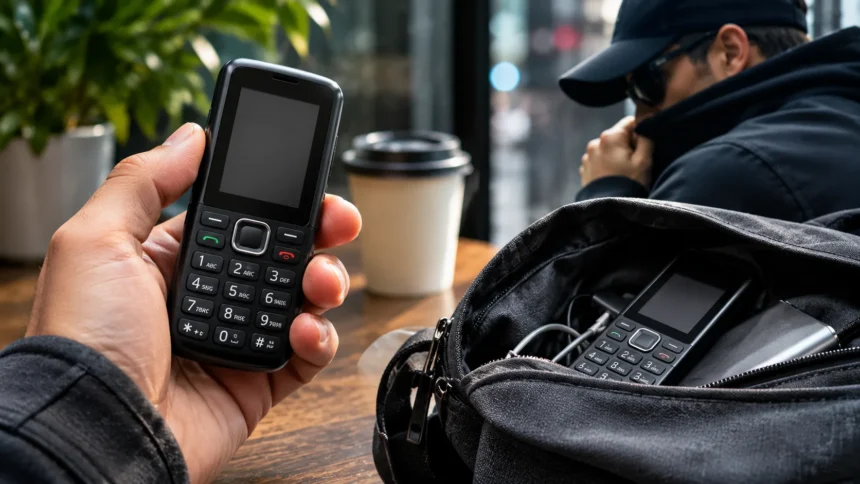
Basic feature phones are among the most recognizable devices associated with temporary mobile communication. These phones generally include physical buttons, simple displays, calling functions, and text messaging capabilities. Their straightforward design makes them suitable for people who require essential communication services without the advanced applications commonly found on modern smartphones and connected devices.
Prepaid smartphones represent another category of devices used for temporary or secondary communication. These phones may support internet browsing, mobile applications, cameras, navigation tools, and other digital features. Although they can function like regular smartphones, their intended usage and prepaid service arrangements may make them suitable for specific projects or short-term communication requirements.
An older mobile phone can also function as a temporary secondary device when it remains compatible with current network services. Rather than purchasing another phone, individuals may reuse an existing device for backup communication or work-related activities. Reusing functional electronics can reduce unnecessary expenses and help limit electronic waste associated with frequent device replacement.
Benefits of Using Burner Phones
One of the main benefits of burner phones is their potential to reduce communication expenses for short-term needs. Basic mobile devices often cost less than premium smartphones, and prepaid services can provide flexibility without lengthy contracts. This combination may be useful for individuals or organizations that do not require advanced features or continuous service.
Temporary phones can also help people maintain clearer boundaries between personal and professional communication. A secondary device may be used for specific work responsibilities while the primary phone remains dedicated to everyday personal activities. This separation can make communication more organized and help individuals manage different responsibilities without unnecessarily combining their work and personal information.
Another benefit is having an additional communication option when a primary mobile phone becomes unavailable. A backup device can be particularly useful during repairs, travel, or unexpected equipment failures. Keeping a functional secondary phone available may improve communication reliability, provided the device has sufficient battery power and access to a compatible mobile network.
Limitations of Burner Phones
Many basic burner phones provide fewer features than modern smartphones, which can limit their usefulness for certain activities. Users may not have access to advanced cameras, productivity applications, navigation tools, or high-speed internet services. These limitations can make temporary devices less suitable for individuals who depend heavily on mobile technology for their everyday responsibilities.
Network compatibility is another important consideration, especially when using older mobile devices. Some phones rely on cellular technologies that mobile providers have discontinued or are gradually replacing in certain regions. Even when a device appears to work correctly, it may not support the network services required to make calls or send messages reliably.
Temporary mobile services may also have restrictions involving data allowances, service expiration, and account management. Users who depend on these devices for important communication should understand how their chosen service operates. Unexpected service interruptions or inactive numbers can create difficulties, particularly when a secondary phone is used for essential personal or professional responsibilities.
Are Burner Phones Completely Anonymous?
Burner phones do not automatically provide complete anonymity simply because they are used temporarily or connected to prepaid services. Like other mobile devices, they communicate through cellular networks that process technical information during normal operation. Mobile service providers may also maintain account information and communication records according to applicable requirements and operational policies.
The information associated with a mobile device depends on several factors, including its service provider, applications, operating system, and local regulations. Smartphones may collect additional information through connected accounts, application permissions, and location-based services. Temporary ownership does not remove these standard characteristics of mobile communication technology or guarantee that personal information remains private.
It is important to understand the difference between ordinary communication privacy and complete anonymity. A secondary phone can help organize different communication activities, but it should not be considered an untraceable device. Responsible mobile phone use involves understanding how personal information is handled and respecting the privacy, safety, and legal rights of other people.
Burner Phones and Prepaid Mobile Plans
Prepaid mobile plans allow customers to pay for cellular services before using them rather than receiving traditional monthly bills afterward. These services may include a combination of calling minutes, text messages, and mobile data allowances. Different providers offer various arrangements depending on customer requirements, available network services, and the duration of the selected plan.
Burner phones are commonly associated with prepaid plans because these services can accommodate temporary communication needs. However, prepaid mobile services are also widely used with regular smartphones and long-term personal devices. A prepaid arrangement does not automatically make a phone a burner phone, since the distinction depends largely on the intended purpose of the device.
Understanding prepaid service conditions is important for maintaining reliable communication and managing expenses. Some plans expire after a specified period, while others require recurring payments to maintain active service. Reviewing standard service terms, customer support availability, and network coverage can help users understand the practical limitations of prepaid mobile communication.
Common Myths About Burner Phones
A widespread misconception is that burner phones are exclusively used for illegal activities. In reality, temporary and secondary mobile devices can serve many legitimate purposes, including business communication, travel, and emergency preparedness. The intended use of a mobile phone depends on the individual’s circumstances and behavior rather than the device category itself.
Another common myth is that burner phones cannot be tracked or associated with mobile network activity. All cellular devices rely on network infrastructure to provide communication services, regardless of their cost or intended usage. A temporary phone should not be regarded as a guaranteed method of preventing identification or eliminating digital communication records.
Some people also believe that burner phones must be discarded immediately after a particular activity has ended. However, functional mobile devices can often be reused, repaired, donated, or responsibly recycled when they are no longer needed. Keeping useful electronics in service for longer can reduce environmental waste and unnecessary spending on replacement devices.
Responsible Use of Temporary Mobile Phones
Responsible use of a temporary mobile phone begins with identifying its legitimate communication purpose. Whether the device is intended for travel, work, or backup communication, its features should support the user’s actual requirements. Establishing a clear purpose helps prevent unnecessary purchases and encourages more practical management of personal and professional communication devices.
Maintaining basic mobile security is equally important when using a secondary phone. Users should protect their devices with appropriate screen locks, install available security updates, and avoid sharing confidential information with unfamiliar contacts. These everyday precautions can help reduce common security risks associated with both temporary phones and regular mobile devices.
Environmental responsibility should also be considered when a temporary mobile phone is no longer required. Working devices may be reused or donated through appropriate programs, while damaged electronics should be handled by suitable recycling services. Responsible electronic waste management helps reduce pollution and supports the recovery of valuable materials used in mobile phone manufacturing.
Conclusion
Burner phones are mobile devices commonly associated with temporary communication and limited usage periods. They can provide practical benefits for travelers, businesses, and individuals who need a secondary or backup communication device. Although these phones are often inexpensive and connected to prepaid services, their primary distinction involves their intended purpose rather than specific technical features.
Understanding the advantages and limitations of temporary phones helps people make informed decisions about their communication needs. Factors such as network compatibility, battery reliability, available features, and service conditions can influence the usefulness of a device. It is also important to recognize that temporary mobile phones do not automatically provide complete privacy or anonymity.
As mobile technology continues to evolve, secondary devices remain useful for managing different communication responsibilities. People should prioritize legitimate usage, dependable service, appropriate security practices, and responsible electronic waste management. With these considerations in mind, a temporary mobile phone can serve as a practical communication tool without creating unnecessary expenses or complications.
FAQs
What is a burner phone in simple words?
A burner phone is a mobile device intended for temporary or limited communication. It is commonly associated with prepaid services and may be used for travel, work, or backup communication.
Are burner phones illegal?
Burner phones are not inherently illegal. Their ownership and use are subject to applicable local laws, mobile service requirements, and regulations governing communication devices and related activities.
Can a burner phone be traced?
Yes, burner phones communicate through cellular networks like other mobile devices. Temporary usage and prepaid services do not automatically prevent identification, network records, or the collection of technical information.
Can a burner phone access the internet?
Some burner phones can access the internet, depending on their hardware, network compatibility, and mobile service plan. Basic feature phones may offer limited browsing, while smartphones support more advanced internet features.
What is the difference between a burner phone and a prepaid phone?
A burner phone is intended primarily for temporary communication, while a prepaid phone uses services paid for in advance. Prepaid phones can also serve as regular, long-term personal devices.