

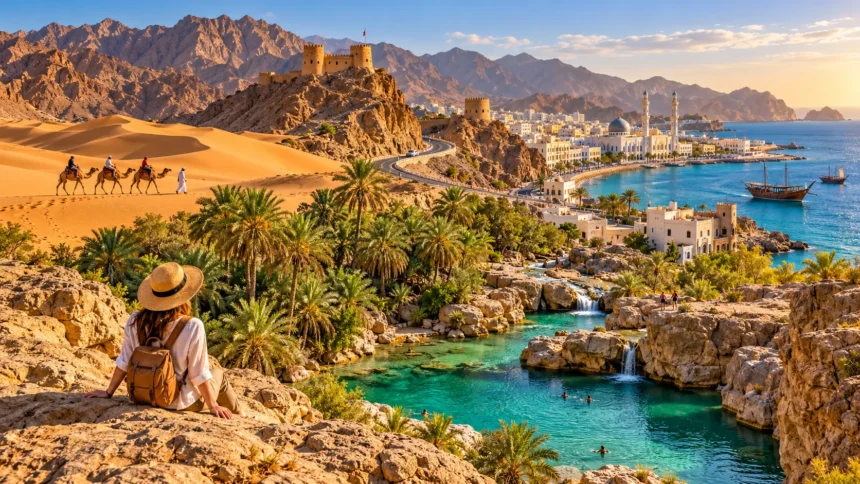
Oman is one of the most beautiful destinations in the Middle East, offering a remarkable combination of dramatic mountains, golden deserts, historic forts, and peaceful beaches. Unlike many destinations known mainly for modern skyscrapers, Oman has preserved much of its traditional character and natural beauty. Travelers can explore welcoming cities, discover ancient villages, and experience unforgettable landscapes throughout the country.
Exploring the best things to do in Oman allows visitors to experience the country’s rich cultural heritage and diverse attractions. From the lively markets of Muscat to the stunning mountains of Jebel Akhdar, every region offers something different. Nature lovers can discover beautiful wadis, while history enthusiasts can explore impressive castles, traditional settlements, and historic trading centers.
Whether you are planning a family vacation, a cultural journey, or a relaxing coastal getaway, Oman offers plenty of rewarding experiences. This travel guide covers popular Oman tourist attractions, beautiful places to visit, exciting activities, and essential travel tips to help you plan an unforgettable trip.
Explore Muscat and Its Famous Attractions
Muscat, the capital of Oman, is an excellent starting point for exploring the country. The city combines traditional Arabian architecture with modern facilities, scenic coastal roads, and beautiful mountain surroundings. Visitors can explore historic neighborhoods, enjoy waterfront views, and discover cultural landmarks that reflect Oman’s long history and welcoming atmosphere.
One of Muscat’s most impressive attractions is the Sultan Qaboos Grand Mosque, known for its elegant architecture and beautifully decorated interiors. The Royal Opera House Muscat is another remarkable landmark that celebrates performing arts and cultural exchange. Travelers should check visiting hours and follow appropriate dress requirements when entering religious or cultural sites.
Another enjoyable experience is walking along Mutrah Corniche, where traditional buildings overlook the busy harbor. The nearby Mutrah Souq features shops selling perfumes, textiles, silver jewelry, and traditional handicrafts. Visiting this historic market provides an opportunity to experience local shopping traditions while enjoying one of Muscat’s most atmospheric neighborhoods.
Visit Nizwa Fort and Traditional Markets
Nizwa is one of Oman’s most important historical cities and an excellent destination for travelers interested in traditional culture. Located inland from Muscat, the city is famous for its historic fort, lively markets, and surrounding mountain scenery. Nizwa once served as an important center of learning, trade, and political influence in Oman.
Nizwa Fort is the city’s most recognizable attraction, featuring a massive circular tower and fascinating defensive architecture. Visitors can explore its rooms, stairways, and viewing areas while learning about Oman’s history. The fort provides an interesting introduction to traditional building techniques and the strategic importance of fortified settlements.
After exploring the fort, travelers can visit Nizwa Souq, where vendors offer dates, spices, pottery, and traditional silver products. The market is especially lively during the well-known Friday livestock market. Exploring the surrounding streets allows visitors to appreciate Nizwa’s heritage while experiencing everyday life beyond Oman’s coastal capital.
Discover the Beautiful Mountains of Jebel Akhdar
Jebel Akhdar, meaning Green Mountain, is one of Oman’s most beautiful mountain destinations. Located within the Al Hajar Mountains, the area is known for its cooler temperatures, dramatic cliffs, and traditional agricultural terraces. Its landscapes provide a refreshing contrast to the desert environments found across much of the country.
Visitors can admire mountain viewpoints, explore historic villages, and discover terraced farms growing pomegranates, roses, and other crops. The region is particularly attractive during the spring rose season, when traditional rose-water production becomes an important local activity. These experiences provide an interesting connection between Oman’s natural landscape and agricultural heritage.
Travelers should plan mountain transportation carefully because access regulations and road conditions require attention. Certain areas have vehicle restrictions, and the scenic reserve has its own visitor requirements. Checking current permits, approved vehicle types, and weather forecasts before departure helps ensure a more comfortable and properly organized mountain visit.
Experience Jebel Shams and Oman’s Grand Canyon
Jebel Shams is one of Oman’s most spectacular mountain attractions and is associated with the country’s highest mountain landscape. The area overlooks the dramatic Wadi Ghul canyon, often described as Oman’s Grand Canyon. Its steep cliffs, rugged formations, and remarkable viewpoints make it a memorable destination for nature enthusiasts.
Visitors can enjoy panoramic mountain scenery from designated viewpoints and explore nearby traditional villages. The area is particularly beautiful during the morning and late afternoon, when changing sunlight highlights the canyon walls. Photography enthusiasts will find numerous opportunities to capture impressive landscapes and the contrasting colors of the rocky mountains.
Traveling to Jebel Shams requires preparation because mountain weather and road conditions can change unexpectedly. Some routes contain rough sections that may not be suitable for ordinary vehicles. Travelers should choose appropriate transportation, remain on safe designated routes, and avoid approaching unprotected cliff edges while enjoying the scenery.
Enjoy a Desert Experience in Sharqiya Sands
Sharqiya Sands, also known as Wahiba Sands, is one of Oman’s most famous desert destinations. This remarkable landscape features rolling dunes, wide sandy valleys, and beautiful golden colors that change throughout the day. Visiting the desert offers travelers an opportunity to experience a different side of Oman beyond its cities and mountains.
One of the most memorable activities is staying overnight at a traditional-style desert camp. Visitors can enjoy peaceful surroundings, admire the sunset, and experience the clear night sky away from major urban areas. Many camps also provide opportunities to learn about Bedouin traditions, local hospitality, and life in desert environments.
The desert’s changing conditions make organized transportation and proper preparation important. Visitors should choose reputable operators who understand the terrain and provide appropriate safety arrangements. Bringing suitable clothing, drinking water, and sun protection can help make the experience more comfortable during both warm afternoons and cooler desert evenings.
Explore Wadi Shab and Oman’s Natural Pools
Wadi Shab is one of the most famous natural attractions in Oman, known for its dramatic rocky valley and beautiful turquoise pools. Located along the coast southeast of Muscat, this destination attracts visitors who enjoy spectacular landscapes. The surrounding cliffs, greenery, and flowing water create a striking contrast with the region’s dry mountains.
The wadi offers scenic walking routes through a narrow valley surrounded by towering rock formations. Visitors can admire natural pools and enjoy the peaceful atmosphere while observing the changing landscape. However, some sections involve uneven terrain or deep water, making it important to understand the route before deciding which areas to explore.
Safety is particularly important when visiting wadis because sudden rainfall can create dangerous flash floods. Travelers should avoid entering during rain or when storms are forecast anywhere in the upstream catchment. Following local instructions and staying within comfortable activity limits helps protect both visitors and the natural environment.
Visit Sur and Discover Oman’s Maritime Heritage
Sur is a historic coastal city known for its traditional shipbuilding heritage and attractive waterfront scenery. Located southeast of Muscat, it played an important role in Oman’s maritime trade. The city maintains connections with traditional wooden dhow construction, making it an interesting destination for travelers exploring the country’s coastal history.
Visitors can explore Sur’s waterfront neighborhoods and discover traditional architecture overlooking the sea. The nearby Al Ayjah area is particularly attractive because of its coastal views and historic buildings. Local shipbuilding heritage provides insight into the skills and traditions that supported Omani trade across the Indian Ocean.
The wider region also includes Ras Al Jinz, an important nesting area for sea turtles. Authorized guided visits provide opportunities to learn about turtle conservation while observing wildlife under controlled conditions when sightings are possible. Visitors should follow conservation rules, avoid disturbing nesting animals, and remember that wildlife encounters are never guaranteed.
Discover Musandam’s Spectacular Coastal Scenery
Musandam is one of Oman’s most scenic regions, famous for its dramatic mountains and beautiful coastal inlets. Located on the Musandam Peninsula, it is geographically separated from the main part of Oman by the United Arab Emirates. The region’s steep rocky coastline creates a distinctive landscape often compared with Norwegian fjords.
Khasab is a popular starting point for exploring Musandam’s coastal attractions. Sightseeing cruises offer opportunities to admire mountain scenery, quiet bays, and traditional coastal settlements. Depending on conditions, visitors may also observe dolphins or other marine wildlife while learning about the region’s maritime traditions.
Traveling to Musandam requires additional planning because road journeys from mainland Oman may involve crossing international borders. Flight and boat connections may also be available depending on current schedules. Travelers should confirm transportation arrangements and entry requirements before departure to avoid complications during their visit.
Experience Salalah and the Green Landscapes of Dhofar
Salalah is one of Oman’s most distinctive destinations, particularly during the summer khareef season. Located in the southern Dhofar region, the city experiences seasonal monsoon conditions that transform parts of the surrounding landscape. Green hills, misty mountains, and flowing waterfalls create scenery that differs significantly from northern Oman.
Visitors can explore coastal viewpoints, traditional markets, and natural attractions around the city. Wadi Darbat is especially popular during the khareef season because of its green scenery and seasonal water features. The surrounding region also includes historic sites associated with the frankincense trade, an important part of Oman’s cultural heritage.
Salalah offers appealing experiences throughout the year, but seasonal conditions influence which activities are most enjoyable. Summer brings cooler, wetter weather than many other parts of Oman, along with larger visitor numbers. Travelers seeking sunny beach conditions may prefer a different season, while those interested in greenery often favor the khareef months.
Relax on Oman’s Beautiful Beaches and Islands
Oman has an extensive coastline featuring sandy beaches, rocky headlands, and clear coastal waters. Travelers can find attractive seaside destinations around Muscat, Sur, Salalah, and several smaller coastal communities. These locations offer opportunities to enjoy peaceful scenery, coastal walks, and relaxing moments away from crowded urban areas.
The Daymaniyat Islands, located offshore from the Muscat region, are particularly well known for their marine biodiversity. Their surrounding waters support coral reefs, colorful fish, and other marine species. Authorized boat excursions provide opportunities to appreciate the islands’ natural environment while following conservation rules and seasonal access restrictions.
Popular coastal areas near Muscat include Qurum Beach and other scenic stretches of shoreline. Visitors can enjoy waterfront views, restaurants, and relaxing walks in suitable weather. Swimming conditions vary with currents, waves, and local restrictions, so travelers should follow posted safety guidance and avoid entering unfamiliar waters during rough conditions.
Best Time to Visit Oman for Sightseeing
The best time to visit much of Oman is generally between October and April, when temperatures are more comfortable for outdoor activities. These months are especially suitable for exploring Muscat, visiting historic forts, and enjoying mountain scenery. Cooler weather makes longer sightseeing days more manageable than during the peak summer heat.
Summer temperatures can become extremely hot across many lowland and desert regions. However, higher mountain areas may offer comparatively cooler conditions, while Salalah experiences the distinctive khareef season. This regional variation means the best travel dates depend on which parts of Oman you want to explore.
When planning your trip, consider seasonal weather alongside hotel availability, transportation, and the activities you prefer. Popular destinations may become busier during public holidays and peak tourism periods. Checking local forecasts, attraction access rules, and accommodation options before traveling can help you develop a more comfortable and enjoyable itinerary.
Essential Oman Travel Tips for First-Time Visitors
Traveling around Oman is generally easiest with carefully planned transportation because many attractions are spread across large distances. Renting a suitable vehicle may be convenient for independent sightseeing, while organized tours provide an alternative for remote destinations. Certain mountain and desert routes require additional precautions, so transportation should match the location’s conditions.
Oman has a rich cultural heritage, and visitors should respect local traditions while exploring different communities. Modest clothing is generally appreciated, particularly at religious sites and traditional markets. Travelers should ask permission before photographing people and follow local instructions when visiting culturally sensitive locations or protected natural areas.
The Omani rial is the country’s official currency, and Arabic is the official language. English is commonly used in many hotels and tourism-related businesses, although learning basic Arabic greetings can improve everyday interactions. Before traveling, confirm passport validity, visa eligibility, medical coverage, and any entry requirements that apply to your nationality.
Conclusion
Oman is an extraordinary travel destination that combines historic cities, dramatic mountain landscapes, peaceful beaches, and beautiful desert scenery. From exploring Muscat’s famous landmarks to discovering the cultural heritage of Nizwa, the country provides a wide variety of memorable attractions. Its natural diversity makes it particularly appealing for travelers seeking experiences beyond conventional city sightseeing.
Visitors can enjoy mountain viewpoints, traditional markets, coastal landscapes, and wildlife experiences while learning about Oman’s history and culture. Destinations such as Jebel Akhdar, Sharqiya Sands, Musandam, and Salalah offer different perspectives on the country’s remarkable geography. Choosing suitable transportation and planning around seasonal conditions can make these experiences more enjoyable.
Whether you have a few days or several weeks, exploring the best things to do in Oman can create lasting travel memories. Take time to appreciate the landscapes, local traditions, and welcoming communities that make the country special. With thoughtful preparation and respect for the environment, Oman offers a rewarding journey for first-time and returning visitors.
Frequently Asked Questions (FAQs)
What is Oman most famous for?
Oman is famous for its dramatic mountains, golden deserts, historic forts, beautiful beaches, and traditional Arabian culture. Popular attractions include Muscat, Nizwa Fort, Jebel Akhdar, Wadi Shab, and the Sharqiya Sands.
How many days are enough to explore Oman?
Seven to ten days are suitable for exploring several major attractions in northern Oman. Travelers who also want to visit Salalah or Musandam may prefer two weeks or longer.
What is the best month to visit Oman?
November through March generally offers comfortable temperatures for sightseeing across much of Oman. However, travelers interested in Salalah’s green khareef landscapes often prefer visiting during the summer monsoon season.
Is Oman a good destination for family vacations?
Yes, Oman offers a wide range of family-friendly attractions, including historic forts, beaches, museums, and scenic destinations. Families should choose age-appropriate activities and prepare carefully for heat, remote roads, and natural water areas.
Is Oman expensive for tourists?
Travel costs depend on accommodation, transportation, activities, and the season. Budget-friendly hotels and local restaurants are available, while luxury resorts, private tours, and remote excursions can make the trip considerably more expensive.