

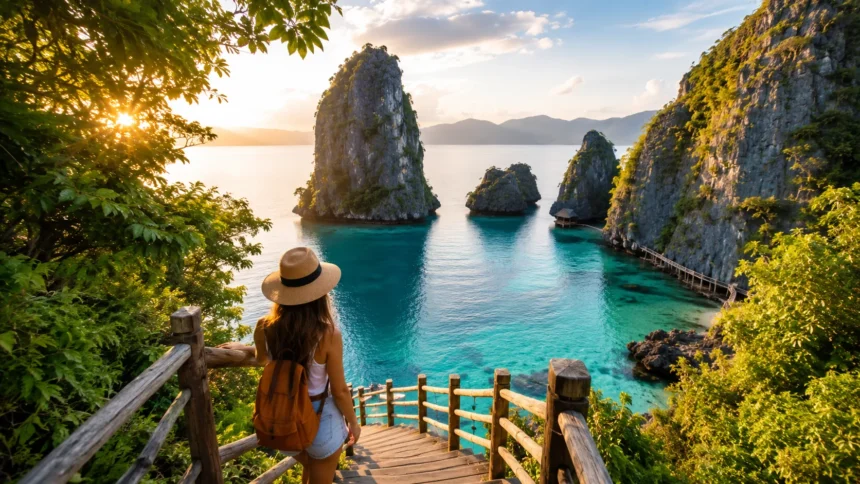
Best Places to Visit Before They Get Crowded
Some destinations seem to change almost overnight. One year, you can wander through an old town without waiting for photographs, find a beachfront guesthouse at a reasonable price, and eat dinner beside mostly local families. A few viral videos, new flight routes, and glowing travel articles later, that same destination can become packed with tour groups and expensive hotels. Finding the best places to visit before they get crowded is therefore less about discovering somewhere completely unknown and more about spotting destinations that are entering the tourism spotlight. Traveling during this stage can provide a rewarding balance of authentic experiences, improving infrastructure, reasonable costs, and fewer visitors competing for the same attractions.
Travel patterns in 2026 continue to show growing interest in alternatives to established hotspots, especially as travelers look beyond overcrowded cities and famous resort islands. Places such as Albania and Uzbekistan are experiencing noticeable tourism growth, while regions including northern Japan, Lake Malawi, and Guyana are attracting travelers seeking deeper cultural and nature-based experiences. Uzbekistan, for example, reported international visitor growth of 37 percent during the first quarter of 2026 compared with the same period of 2025, illustrating how quickly previously overlooked destinations can enter mainstream travel conversations. The following destinations offer compelling reasons to visit now, while thoughtful travel can still feel personal rather than overwhelmingly commercial.
Albania: Explore the Balkans Beyond the Famous Hotspots
Albania is perhaps the clearest example of a destination transitioning from overlooked European escape to major tourism favorite. Its combination of turquoise Adriatic and Ionian coastline, rugged mountains, historic towns, Mediterranean food, and relatively compact geography makes it attractive to travelers who might otherwise choose Greece, Croatia, or Italy. However, describing Albania as an undiscovered secret is becoming increasingly inaccurate. Tourism has expanded rapidly, and easier flight access is bringing significantly more visitors to the country. Recent travel reporting has highlighted strong booking growth, particularly around the Albanian Riviera. Travelers who want Albania without peak-season congestion should explore beyond the most heavily promoted coastal locations.
The southern coastline remains one of Albania’s biggest attractions, but choosing the right base can dramatically change your experience. Ksamil has become widely photographed for its bright blue water and small offshore islands, making summer beaches increasingly busy. Instead of building an entire trip around one social-media-famous destination, consider exploring stretches of coast around Himarë, Qeparo, Borsh, and nearby villages. You can combine swimming and scenic drives with local restaurants, hillside settlements, and quieter beaches away from concentrated resort development. Visiting in late spring or early autumn can further reduce crowds while still providing pleasant conditions. Traveling slowly also allows you to appreciate the Albanian Riviera as a complete region rather than simply chasing a single famous beach photograph.
Albania’s inland destinations offer an equally compelling reason to visit. Berat, famous for white Ottoman-era houses climbing the hillside beneath its castle, provides architecture, history, traditional neighborhoods, and mountain scenery within an easily walkable setting. Farther south, Gjirokastër has steep stone streets, distinctive historic houses, and an imposing hilltop castle overlooking the valley. Both cities are well known, yet they offer cultural depth that many beach-focused itineraries overlook. Spending nights in historical towns instead of visiting only on rushed day trips creates opportunities to experience quieter mornings and evenings. Travelers who include inland Albania often discover that the country’s architecture, hospitality, food traditions, and landscapes are every bit as memorable as its increasingly famous coastline.
Northern Albania offers a completely different landscape and may appeal even more to adventurous travelers searching for uncrowded travel destinations in Europe. The Albanian Alps rise dramatically around valleys such as Theth and Valbona, creating opportunities for hiking, mountain guesthouse stays, scenic drives, and village experiences. The popular Theth-to-Valbona hiking route has become much better known, so planning outside the busiest summer weeks can provide a calmer experience. Infrastructure is improving, making previously challenging mountain areas increasingly accessible to international visitors. That convenience will inevitably attract more travelers over time. Visiting while development remains relatively limited can provide a valuable glimpse of rural life alongside some of the most spectacular mountain scenery in the Balkans.
The best strategy for Albania is therefore not simply to rush there because people claim it is still secret. Instead, recognize that tourism is already expanding and build an itinerary that distributes your spending and time beyond the busiest places. Combine the coast with historical towns, northern mountains, archaeological sites, villages, and locally owned accommodation. Consider traveling in May, June, September, or early October rather than automatically choosing the height of summer. Responsible tourism can help communities benefit from increasing visitor numbers without concentrating every traveler in the same few locations. Albania remains one of Europe’s most exciting destinations, but the window for experiencing its popular areas without substantial crowds appears to be narrowing rapidly.
Uzbekistan: See the Silk Road as Tourism Accelerates
Uzbekistan has everything needed to become one of Asia’s major cultural tourism destinations. Monumental architecture, centuries of Silk Road history, colorful markets, traditional crafts, desert landscapes, distinctive regional cuisine, and improved transportation make the country increasingly accessible. Samarkand, Bukhara, and Khiva contain some of Central Asia’s most recognizable Islamic architecture, yet international visitor levels have historically remained lower than those of famous cultural destinations elsewhere in Asia and Europe. That situation is changing quickly. Uzbekistan’s official tourism platform reported that international arrivals increased significantly during early 2026, placing the country among the world’s fastest-growing tourism destinations during that period. Travelers interested in history may find that now is an especially rewarding time to visit.
Samarkand provides the dramatic introduction many travelers imagine when planning a journey through Uzbekistan. Registan Square is surrounded by enormous madrasas covered with intricate blue tilework, while nearby mosques, mausoleums, and markets reveal layers of history shaped by trade and empire. Popular landmarks can already become busy during peak periods, particularly when tour groups arrive simultaneously. However, staying overnight instead of treating Samarkand as a brief stop allows you to explore earlier in the morning and later in the evening. Wander beyond the most photographed monuments into residential neighborhoods and local restaurants to gain a broader perspective. The city is becoming increasingly polished for tourism, making the current period an interesting balance between accessibility and cultural atmosphere.
Bukhara often feels more intimate because many historic landmarks sit within or around a compact old city. Travelers can walk between courtyards, mosques, trading domes, madrasas, and tea houses while experiencing a streetscape shaped by centuries of Silk Road commerce. The city rewards unhurried exploration because some of its most memorable moments occur between major attractions rather than inside them. Small craft workshops, shaded plazas, quiet lanes, and conversations with local residents can become highlights when you leave enough space in your itinerary. As Uzbekistan’s tourism industry expands, restored guesthouses and boutique hotels are increasing accommodation choices. Visiting before visitor numbers multiply further may provide a more relaxed opportunity to experience Bukhara’s extraordinary historic character.
Khiva offers another distinctive experience, particularly within the walled old city of Itchan Kala. Towers, mud-colored walls, tiled minarets, courtyards, and narrow pedestrian lanes create an environment that can feel remarkably immersive when explored early or late in the day. Because the historical center is geographically compact, crowds may eventually become more noticeable as tourism numbers rise. Spending at least one night allows you to experience quieter periods after many day visitors leave. Travelers with additional time can also explore desert fortresses or other destinations beyond Uzbekistan’s famous three-city route. Expanding your itinerary distributes tourism benefits while showing that Uzbekistan contains much more than the architectural highlights most often displayed in travel photography.
The reason Uzbekistan belongs among the best destinations to visit before they become popular is that several ingredients for major tourism growth are already falling into place. Visa policies have become easier for many travelers, transport links have improved, international interest in Central Asia is expanding, and tourism development remains a national priority. Official tourism authorities have set ambitious future visitor targets, suggesting that today’s relatively manageable crowds may look very different within several years. Travelers should still research seasonal temperatures, entry requirements, local customs, and current transportation options before booking. Those who visit thoughtfully now can experience exceptional cultural heritage while the country’s international tourism story is still developing.
Tohoku, Japan: Discover a Quieter Side of Japan
Japan’s popularity has encouraged many travelers to search for alternatives to heavily visited destinations such as Tokyo, Kyoto, Osaka, and some parts of Hokkaido. Tohoku, occupying the northeastern portion of Japan’s main island, offers exactly that opportunity. The region includes six prefectures—Aomori, Akita, Iwate, Yamagata, Miyagi, and Fukushima—and combines mountain scenery, hot springs, historic temples, traditional festivals, winter sports, coastline, food culture, and rural communities. Japan’s national tourism organization describes Tohoku as considerably more rural than Tokyo while remaining well connected by transportation. For travelers who love Japan but prefer deeper exploration and more breathing room, Tohoku deserves serious attention before international visitor numbers increase further.
One advantage of visiting Tohoku is the extraordinary variety created by its four seasons. Spring brings blossoms to parks and mountain areas after many southern Japanese destinations have already passed peak bloom. Summer features some of Japan’s most energetic regional festivals, including Aomori Nebuta and Sendai Tanabata. Autumn transforms mountains, forests, and valleys with dramatic seasonal colors, while winter covers much of the region in deep snow and creates opportunities for skiing, snow scenery, and outdoor hot springs. Because visitors often concentrate on a few famous Japanese routes, Tohoku can provide a more spacious experience outside major festival dates. Choosing your season carefully allows you to shape the journey around landscapes rather than crowded sightseeing checklists.
Nature lovers have numerous options throughout northern Japan. Towada-Hachimantai National Park, the Sanriku Coast, mountain areas around Zao, forests associated with Shirakami Sanchi, and scenic valleys offer hiking, road trips, and outdoor exploration. Matsushima Bay in Miyagi provides a coastal landscape dotted with pine-covered islands, while more remote sections of the region reveal fishing communities and dramatic shorelines. Rail transportation connects several major cities efficiently, although renting a car can sometimes make rural exploration easier depending on your itinerary. Travelers willing to slow down frequently discover that the distance between famous landmarks becomes part of the appeal. Tohoku is less about collecting attractions and more about experiencing regional Japan at a quieter rhythm.
Culture is another reason Tohoku stands apart from mainstream Japanese itineraries. Traditional crafts, local sake production, mountain worship, samurai history, regional festivals, and distinctive food traditions remain deeply connected to local communities. Hiraizumi in Iwate preserves important historical sites, while towns across the region maintain their own seasonal celebrations and culinary specialties. Hot-spring towns provide opportunities to stay in traditional inns and experience bathing culture away from Japan’s most internationally famous resort areas. The official regional tourism platform emphasizes Tohoku’s crafts, food, festivals, nature, and long relationship with seasonal landscapes. Taking time to understand these traditions can make a visit more meaningful than simply searching for quieter versions of attractions found elsewhere.
Tohoku will probably not remain overlooked forever because it already offers the infrastructure travelers need without sacrificing its regional identity. Shinkansen services make cities such as Sendai accessible from Tokyo, and wider international interest in lesser-known parts of Japan continues to grow. The key is visiting respectfully rather than treating rural communities as untouched discoveries waiting to be consumed. Learn basic etiquette, support local accommodation and restaurants, follow rules at hot springs and cultural sites, and avoid trespassing for photographs. Travelers who approach the region with curiosity rather than checklist tourism may discover one of the best hidden travel destinations in Japan. The quieter atmosphere is part of Tohoku’s appeal, and responsible visitor behavior can help preserve it.
Georgia: Experience Mountains, Wine, Food, and Ancient Culture
Georgia has steadily gained recognition among travelers searching for dramatic landscapes, generous hospitality, distinctive cuisine, ancient history, and excellent value. Located at the crossroads of Europe and Asia, the country combines energetic cities with high Caucasus mountains, wine-growing valleys, monasteries, villages, and Black Sea coastline. Tbilisi provides an atmospheric starting point where traditional balconies, churches, bathhouses, contemporary cafés, and creative neighborhoods exist side by side. International awareness has been growing, but Georgia still receives far fewer leisure travelers than Europe’s most heavily visited countries. That makes the current period particularly appealing for travelers who want developed tourism services while retaining opportunities for personal encounters and relatively spontaneous exploration beyond the country’s most famous locations.
Tbilisi deserves several days rather than functioning only as an arrival point. The city’s old quarters climb steep hills overlooking the Mtkvari River, creating layers of narrow streets, courtyards, colorful balconies, churches, and viewpoints. Sulfur bathhouses connect the city with centuries of local history, while newer restaurants and wine bars showcase Georgia’s evolving food scene. Popular central districts can become busy, especially during weekends and peak tourism months, yet walking beyond the most obvious streets quickly reveals quieter neighborhoods. Tbilisi’s greatest attraction may be its contrast between old and new rather than any single monument. Allowing time for wandering can produce a much stronger sense of place than attempting to rush through a conventional list of attractions.
Georgia’s mountains are what convince many travelers to extend their visit beyond the capital. Kazbegi, officially Stepantsminda, provides relatively easy access to extraordinary Caucasus scenery and the iconic Gergeti Trinity Church overlooking the valley. However, its accessibility has also made it one of Georgia’s most recognizable mountain destinations. Travelers seeking quieter experiences can investigate regions such as Svaneti, Tusheti, or other less concentrated mountain areas, depending on season, transportation conditions, and personal experience. Some routes require substantial planning, suitable vehicles, or hiking preparation, so remote should never be confused with effortless. The reward is access to villages, alpine valleys, trekking routes, and landscapes that reveal a completely different side of the country.
Wine and food provide another major reason Georgia could become significantly more popular. Kakheti is the country’s best-known wine region, offering vineyards, villages, monasteries, and opportunities to learn about traditional Georgian winemaking. Meals often become social experiences built around dishes such as khachapuri, khinkali, vegetable preparations, breads, cheeses, and regional specialties. Staying at locally run guesthouses can introduce visitors to hospitality that feels considerably more personal than standardized tourism experiences. As wine tourism expands globally, Georgia’s long winemaking traditions provide a powerful reason for travelers to put the country on future itineraries. Visiting now allows you to experience many producers and rural areas before large-scale international tourism changes the character of popular wine routes.
Georgia’s growing reputation means travelers should not expect every major attraction to remain quiet. Instead, plan intelligently by visiting famous places outside the busiest hours and using them as gateways to lesser-known regions. Spend money at local restaurants, family-run accommodation, wineries, guides, and community businesses rather than concentrating your entire budget within large international platforms. Spring and autumn can be appealing for cultural itineraries, while mountain conditions vary considerably with altitude and location. Always check current regional travel advice before exploring remote areas. Georgia has already moved beyond the stage of being a secret, but its combination of cultural depth and geographic variety still provides enormous room for travelers willing to explore beyond standard itineraries.
Lake Malawi: Enjoy an Inland Sea Without Resort-Island Crowds
Lake Malawi offers the kind of combination travelers often associate with tropical island destinations: clear water, sandy beaches, colorful fish, kayaking, snorkeling, diving, relaxed waterfront accommodation, and spectacular sunsets. Yet instead of being surrounded by an ocean, visitors are experiencing one of Africa’s great freshwater lakes. Malawi’s official tourism information describes the lake as one of the country’s most important attractions and highlights activities including swimming, diving, snorkeling, boating, and other water sports. Compared with famous beach destinations elsewhere in Africa and the Indian Ocean, many areas around Lake Malawi still attract relatively modest international crowds, making it a compelling option for travelers seeking slower waterside experiences.
The lake stretches across a huge portion of Malawi, so choosing where to stay can significantly influence your trip. Some travelers base themselves around popular lakeside areas that provide established lodges, restaurants, and activities, while others travel farther to quieter villages and remote properties. Islands and protected areas offer additional opportunities for swimming, kayaking, wildlife observation, and underwater exploration. Rather than trying to see the entire lake, choosing two or three contrasting bases can provide a better experience. Travel times may be longer than map distances suggest, particularly when using local transportation. Building flexibility into your itinerary is therefore essential if you want to enjoy the region’s relaxed atmosphere instead of turning the journey into a race.
Snorkeling and diving are major attractions because Lake Malawi is famous for its remarkable diversity of freshwater fish. Clear conditions in suitable locations can reveal colorful underwater environments that feel unexpected in a landlocked African country. Kayaking provides another way to appreciate rocky shorelines, beaches, islands, and small communities without requiring highly specialized skills in calmer areas. Travelers should always use reputable local operators, follow safety guidance, and understand conditions before entering the water. Responsible tourism is particularly important because freshwater ecosystems can be environmentally sensitive. Avoid leaving waste, disturbing wildlife, or assuming that every apparently empty stretch of shoreline is recreational space rather than part of a community’s everyday environment.
Lake Malawi can also become part of a broader trip combining beaches with wildlife and cultural experiences. Malawi offers national parks and reserves where visitors can add game drives, birdwatching, hiking, and conservation-focused stays to a lakeside itinerary. This variety makes the country appealing to travelers who want an African journey without designing an entire vacation around safari alone. Tourism development around the lake has continued to evolve, with operators increasingly emphasizing sustainability, wellness, conservation, and community involvement. Malawi tourism reporting in 2026 noted continuing improvements and responsible tourism initiatives around lakeshore and island accommodations. Increased quality and awareness may ultimately bring significantly more international visitors.
Those considering Malawi should plan transportation carefully and research current health, entry, and safety guidance before traveling. Tourism infrastructure can be less predictable than in heavily developed resort destinations, so flexibility and realistic expectations are important. That relative lack of mass tourism is also what makes a Lake Malawi journey memorable for many visitors. Instead of enormous resort complexes and packed beach clubs, travelers can find small lodges, village encounters, outdoor activities, and evenings where the lake becomes the main entertainment. As demand for less crowded beach destinations and experience-driven African travel grows, Lake Malawi has strong potential to gain wider recognition. Visiting responsibly now can provide an unusually peaceful waterside adventure.
Guyana: Explore Rainforest Tourism Before It Goes Mainstream
Guyana remains one of South America’s most intriguing destinations for travelers who value wildlife, rainforest, rivers, indigenous culture, and conservation-focused experiences. Unlike countries where tourism revolves around enormous numbers of visitors moving between famous landmarks, many Guyanese itineraries involve small lodges, specialist guides, boat journeys, and remote nature reserves. Much of the country’s interior is covered by tropical forest, creating opportunities to observe extraordinary biodiversity while traveling through landscapes far removed from conventional resort tourism. Guyana’s tourism authorities continue to promote community-led and sustainable experiences, and several locally connected ecotourism projects received international recognition in 2026. This approach makes Guyana particularly appealing to travelers who want their spending to support conservation and local livelihoods.
Kaieteur Falls is the natural landmark most likely to introduce international travelers to Guyana. Hidden deep within rainforest, the waterfall plunges dramatically from a sandstone plateau and creates a sense of scale that photographs struggle to communicate. Visitors commonly reach the area on small aircraft tours because overland access through the interior can be challenging. Even though Kaieteur is the country’s most famous attraction, the experience can feel very different from waterfalls surrounded by enormous visitor centers, bus parking, souvenir malls, and dense crowds. Weather and aviation conditions can affect access, so flexible planning is important. The journey itself reinforces what makes Guyana unusual: many of its greatest attractions remain deeply embedded within remote landscapes.
Wildlife enthusiasts may find Guyana especially rewarding because its forests, savannas, wetlands, and rivers support remarkable species diversity. Depending on location and luck, travelers may search for giant river otters, caimans, colorful birds, monkeys, giant anteaters, and other wildlife associated with the Guiana Shield. Specialist nature lodges can provide guided walks, canoe trips, canopy experiences, and nighttime excursions designed around observation rather than mass entertainment. Wildlife sightings are never guaranteed, which is part of responsible nature tourism. The experience is about spending time within ecosystems rather than demanding predictable encounters. Choosing knowledgeable local guides can improve both your chances of seeing wildlife and your understanding of conservation challenges affecting the region.
Community-based tourism is another reason Guyana stands out among places to visit before they get popular. In several interior regions, indigenous communities participate directly in operating lodges, guiding visitors, protecting ecosystems, and sharing aspects of local culture on their own terms. This model can ensure that tourism revenue reaches residents while creating economic incentives for conservation. Travelers have responsibilities as well: ask permission before photographing people, respect community rules, avoid treating cultural practices as performances, and listen to guides who understand local environments better than outside visitors. Guyana’s tourism growth can create valuable opportunities, but those benefits depend on development remaining thoughtful rather than transforming small communities into attractions overwhelmed by visitor demand.
Guyana requires more preparation than a simple city break or resort vacation, which is probably one reason mass tourism has not yet arrived. Some interior journeys involve small aircraft, four-wheel-drive vehicles, boats, basic roads, limited connectivity, and accommodations designed around nature rather than luxury convenience. Those conditions may change as infrastructure improves and international awareness expands. Travelers who enjoy adventure, birding, wildlife photography, conservation, and remote landscapes may find the current stage particularly rewarding. Research reputable operators carefully and follow current health and travel guidance before departure. Guyana does not need to become another crowded bucket-list destination to succeed, and choosing responsible operators can help tourism growth strengthen rather than overwhelm the places visitors come to experience.
Porto Santo: Visit Madeira’s Quieter Island Neighbor
Madeira has become one of Europe’s most recognizable island destinations, particularly among travelers interested in dramatic hiking trails, mountain scenery, coastal views, and mild weather. Nearby Porto Santo offers a noticeably different experience centered on a long golden-sand beach, dry landscapes, relaxed villages, coastal viewpoints, and a slower pace. For years, the island received considerably less international attention than Madeira itself, but that difference may not last indefinitely. Expedia’s 2026 Island Hot List identified Porto Santo among fast-rising island destinations, reporting an 85 percent year-over-year increase in searches within its dataset. That growing curiosity makes Porto Santo a strong candidate for travelers hoping to visit before wider international tourism intensifies.
Porto Santo’s beach is its biggest visual contrast with mountainous Madeira. Instead of dramatic black volcanic coastlines dominating the experience, visitors can spend time along an extended stretch of soft golden sand beside clear Atlantic water. This creates an appealing environment for swimming, beach walks, relaxed afternoons, and accommodation with straightforward access to the coast. The island’s smaller scale also means travelers can combine beach time with viewpoints and inland exploration without spending most of each day driving. However, summer and holiday periods can already become much busier, particularly with Portuguese visitors. Traveling during shoulder seasons can provide a calmer experience while supporting local businesses outside their most concentrated weeks.
Away from the beach, Porto Santo provides hiking routes, rugged viewpoints, volcanic formations, cycling opportunities, and quiet roads that reward independent exploration. The island’s relatively dry terrain creates scenery that feels very different from Madeira’s famous green mountains and levada walks. Travelers who combine both islands can therefore experience two distinctive landscapes within one trip instead of treating Porto Santo as simply a beach extension. Ferry and air connections make multi-island itineraries possible, although schedules should always be confirmed before travel. Spending several nights rather than making a rushed day trip provides time to enjoy evenings and mornings when the island’s relaxed character becomes especially apparent.
The island’s increasing visibility illustrates how quickly social media and travel search behavior can transform lesser-known destinations. Travelers increasingly want alternatives to established European island hotspots, especially when well-known destinations become expensive or crowded. Once a quieter island begins appearing repeatedly in trend reports, flight searches, travel videos, and package holidays, accommodation demand can rise rapidly. Porto Santo is already on that trajectory rather than remaining completely unknown. Visiting now offers an opportunity to experience the island while development still feels relatively modest compared with many Mediterranean and Atlantic resort destinations. Choosing locally owned restaurants and services can also help distribute the economic benefits created by increasing tourism.
A thoughtful Porto Santo trip should balance exploration with the slow pace that makes the island attractive in the first place. Avoid arriving with a packed schedule requiring a new viewpoint or photograph every hour. Spend time walking the beach, eating local food, watching changing light across the landscape, and enjoying simple activities that require little planning. If combining Porto Santo with Madeira, allow enough time on each island rather than constantly moving between accommodations. Growing tourism interest means the destination may become substantially better known during the coming years. Travelers who appreciate quiet European islands may find that the present moment offers an appealing combination of accessibility, scenery, and relative calm.
Kyrgyzstan: Experience Central Asia’s Mountains Before Adventure Tourism Booms
Kyrgyzstan offers one of the strongest combinations of mountain adventure, nomadic heritage, high-altitude lakes, horseback travel, hiking, and wide-open landscapes anywhere in Central Asia. The country’s dramatic Tian Shan mountains dominate much of its geography, creating enormous valleys, alpine meadows, glacial scenery, and trekking possibilities. Lake Issyk-Kul provides a different environment with beaches, mountain views, villages, and cultural attractions spread around one of the world’s notable high-altitude lakes. International tourism remains considerably smaller than in established hiking destinations such as Switzerland, Nepal, or New Zealand. However, broader interest in Central Asia is expanding rapidly, suggesting Kyrgyzstan could increasingly attract adventurous travelers looking beyond traditional trekking regions.
Bishkek usually serves as the starting point, but Kyrgyzstan’s strongest experiences begin once you travel into rural landscapes. Journeys may lead through valleys where horses graze beside mountain rivers, villages sit beneath snow-covered peaks, and seasonal yurt camps provide basic accommodation. Song-Kul is particularly well known for its high-altitude scenery and summer pastoral culture, although visitor numbers have increased as the location appears more frequently in travel content. Staying in community-based accommodation can provide a more meaningful experience while directing money toward rural residents. Travelers should recognize that yurt stays are not theme-park attractions but part of living cultural and economic traditions that deserve respect.
Hiking opportunities range from relatively accessible day walks to demanding multi-day mountain routes requiring experience, suitable equipment, and detailed planning. Areas around Karakol provide gateways to dramatic valleys, hot springs, alpine lakes, and higher trekking routes. Conditions can change quickly in mountainous environments, so hiring experienced guides may be appropriate for remote journeys. Altitude also affects travelers differently and should never be underestimated simply because a destination looks accessible in photographs. The country’s adventurous character is part of its appeal, but responsible travel requires preparation rather than treating remoteness as an opportunity to ignore normal safety practices. Carefully planned journeys can reveal landscapes that feel remarkably spacious compared with established mountain destinations.
Cultural experiences can be just as memorable as the scenery. Traditional horsemanship, food, felt crafts, yurt construction, family hospitality, and pastoral lifestyles remain visible in many areas, although everyday life continues to evolve like anywhere else. Travelers should avoid romanticizing local communities as frozen in time. Instead, approach cultural encounters as opportunities to understand how contemporary Kyrgyz people balance traditions with modern education, technology, work, and tourism. Buying crafts directly from makers, using local guides, and staying in locally managed accommodation can help ensure your trip provides economic value beyond photographs. As adventure tourism expands, these choices will become increasingly important for determining how communities benefit from growing visitor numbers.
Kyrgyzstan is particularly suited to travelers who want off-the-beaten-path adventure travel rather than polished resort tourism. Roads can be rough, weather can disrupt plans, transportation may require patience, and remote areas may have limited facilities. Those challenges will likely decrease as tourism infrastructure develops, which could simultaneously make the country accessible to much larger numbers of visitors. Visiting now provides an opportunity to experience the mountains during an earlier phase of international tourism growth. Travel slowly, avoid leaving waste in fragile alpine environments, respect grazing land and local customs, and prepare carefully for altitude and weather. Done responsibly, Kyrgyzstan can deliver one of the most memorable adventure journeys in Asia.
How to Visit Emerging Destinations Without Helping Ruin Them
Traveling somewhere “before everyone else” can create an uncomfortable contradiction. Travelers may want untouched landscapes and authentic communities, yet increasing visitor numbers can contribute directly to the congestion, environmental pressure, rising prices, and cultural commercialization they hoped to avoid. The solution is not to stop exploring emerging destinations but to travel differently. Start by avoiding the assumption that a place exists primarily for visitors to discover. People live, work, raise families, worship, study, and build communities in the places travelers casually call hidden gems. Approaching destinations with humility changes everything from how you photograph residents to where you spend money. Responsible travel helps ensure tourism contributes value rather than simply consuming local resources.
Timing is one of the easiest ways to reduce pressure on popular places. Instead of automatically traveling during the busiest month, research shoulder seasons when weather remains suitable but visitor numbers decline. Arriving at famous landmarks earlier or later in the day can also reduce congestion while providing a more enjoyable personal experience. Consider spending additional nights rather than making rushed day trips because overnight visitors often contribute more to local accommodation, restaurants, and neighborhood businesses. Slow travel can also reduce transportation stress and create time for less-famous attractions. When everyone visits exactly the same viewpoint between ten in the morning and two in the afternoon, even relatively small tourism numbers can create the impression of overtourism.
Where you spend money matters just as much as where you travel. Locally owned guesthouses, independent restaurants, community guides, cooperatives, and locally operated tours can keep a larger share of tourism revenue within the destination. Large international hotels and booking platforms may still be useful, but travelers can intentionally include businesses rooted in the communities they visit. Buying local products can also provide meaningful support when purchases are genuine rather than mass-produced souvenirs marketed as traditional. Ask guides and accommodation owners where they recommend eating or shopping. Sustainable tourism works best when residents gain tangible benefits that create incentives for protecting cultural heritage, natural environments, and the quality of visitor experiences.
Social media requires similar thoughtfulness. Geotagging every remote beach, fragile hiking location, or culturally sensitive site can contribute to sudden visitor surges that communities and ecosystems are unprepared to manage. This does not mean travelers should hide entire countries or refuse to share positive experiences. Instead, consider whether promoting an exact location could create problems, particularly when access depends on private land, limited parking, environmentally sensitive trails, or small communities. Share context alongside beautiful images by mentioning appropriate behavior, local businesses, conservation rules, or seasonal limitations. Travel content influences where people go, and responsible creators recognize that inspiring others also creates a responsibility to communicate how destinations should be treated.
Most importantly, accept that no destination needs to remain unchanged simply because you enjoyed it during a particular moment. Tourism development can bring employment, infrastructure, investment, cultural exchange, and opportunities that residents genuinely want. The goal should not be preserving communities as picturesque backgrounds for travelers but helping growth happen in ways that remain livable for local people. Visiting the best places before they get crowded is rewarding precisely because you can experience tourism during a formative stage. Your choices—when you visit, where you stay, how you behave, and what you share afterward—can help determine whether increasing popularity becomes an opportunity or another example of overtourism.
Frequently Asked Questions About Places to Visit Before They Get Crowded
What are the best places to visit before they get crowded?
Albania, Uzbekistan, Georgia, Tohoku in Japan, Lake Malawi, Guyana, Porto Santo, and Kyrgyzstan are strong options for travelers seeking destinations with growing international interest. The right destination depends on whether you prefer beaches, history, wildlife, cultural experiences, mountain adventures, or relaxed island travel.
How do you find destinations before they become popular?
Watch for new international flight routes, improving visa access, emerging hotel development, growing search interest, major tourism investment, and increasing coverage from reputable travel publications. Destinations often move from niche to mainstream when accessibility improves faster than tourism infrastructure can expand.
When should I visit emerging travel destinations?
Shoulder seasons are often ideal because they provide a balance between suitable weather, lower accommodation demand, and fewer visitors. Always research local climate patterns because the best months for Albania’s coast, Japan’s mountains, Guyana’s rainforest, and Kyrgyzstan’s trekking routes differ considerably.
Are lesser-known destinations always cheaper?
No. Some emerging destinations offer excellent value, but remoteness can make transportation, specialized tours, flights, or eco-lodges surprisingly expensive. Compare total trip costs instead of assuming that fewer tourists automatically means a lower travel budget.
How can I avoid contributing to overtourism?
Travel outside peak periods, stay longer, visit secondary destinations, respect local rules, minimize environmental impact, and spend money with locally owned businesses whenever practical. Responsible tourism is less about finding completely empty places and more about ensuring your visit benefits rather than overwhelms the communities welcoming you.