

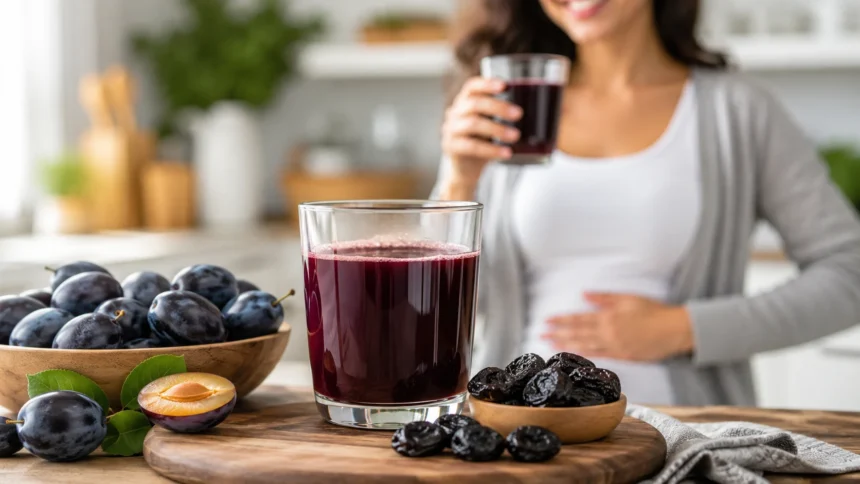
Prune Juice Benefits: Digestion, Constipation and More
Prune juice has long been used as a home remedy for constipation, but its reputation is not based on tradition alone. Made from dried plums, the drink contains water, natural sugars, sorbitol and plant compounds that can influence stool consistency and bowel habits. Research suggests it may help some adults pass softer, more comfortable stools when used consistently. Even so, prune juice is not an instant cure, and drinking more does not necessarily produce better results. The most useful approach is to understand how it works and use an appropriate portion.
Constipation means more than missing a daily bowel movement. It may involve hard or lumpy stools, painful straining, fewer than three bowel movements per week or a feeling that stool has not passed completely. Normal frequency differs from person to person, so a meaningful change from your usual pattern matters. Occasional constipation may follow travel, dietary changes, dehydration, inactivity or a disrupted routine. Long-lasting constipation can also be related to medication, irritable bowel syndrome, pelvic floor problems or another health condition that requires more than dietary self-care.
The best-known prune juice benefit comes from sorbitol, a naturally occurring sugar alcohol that is not completely absorbed in the small intestine. It can help draw water into the bowel, making stool easier to pass. Prune juice also provides fluid and small amounts of soluble fiber or pectin, depending on how it is processed. Polyphenols and other plum compounds may contribute to its digestive effects, although researchers are still clarifying their roles. This combination makes prune juice different from an ordinary sweet drink, but it can also cause gas or diarrhea in sensitive people.
Prune juice provides nutrients such as potassium and smaller amounts of magnesium, iron and certain vitamins, with exact levels varying by product and serving size. It is also naturally concentrated in carbohydrate and sugar because water has been removed from the original plums before the juice is made. That does not make it inherently unhealthy, but portions matter—especially for people managing blood glucose, calorie intake or kidney-related potassium restrictions. Choosing an unsweetened product with no added sugar helps avoid turning a functional serving into an unnecessarily sugary beverage.
This guide examines prune juice for constipation, digestive health, nutrition and everyday use without presenting it as a medical treatment for every bowel problem. It explains how much adults commonly try, what side effects to watch for and when symptoms need professional attention. Responses vary, and the right option depends on age, health conditions, medications and the cause of constipation. If pain, vomiting, bleeding, fever or an inability to pass gas accompanies constipation, skip home experimentation and seek medical advice because those symptoms may signal a more serious problem.
What Makes Prune Juice Helpful for Digestion?
Sorbitol is central to prune juice’s mild laxative effect. Unlike table sugar, it is absorbed slowly and incompletely in many people, leaving some molecules inside the intestinal tract. Those molecules attract water, which can soften dry stool and support easier movement through the colon. This is an osmotic effect, similar in principle to how certain constipation medicines increase water in the bowel, although prune juice is a food rather than a standardized drug. The amount of sorbitol varies, so two products or portions may not produce identical results.
The fluid in prune juice may provide additional support when low liquid intake contributes to constipation. Water helps dietary fiber function more effectively and prevents stool from becoming excessively dry. However, drinking prune juice does not automatically correct dehydration, and it should not replace water throughout the day. People who have been advised to restrict fluids because of heart, kidney or another medical condition need individualized guidance. For most adults, prune juice works best as one part of normal hydration rather than as the only beverage used to improve bowel regularity.
Prune juice may contain pectin and other soluble-fiber components, but it generally provides less total fiber than eating whole prunes. Fiber holds water, adds bulk and can be fermented by gut bacteria, all of which can affect stool and digestive comfort. Processing and filtering remove part of the fruit’s solid material, so labels should be checked rather than assuming every juice is high in fiber. Someone relying on prune juice alone may still fall short of daily fiber needs. Whole grains, beans, vegetables, nuts and whole fruit remain important for long-term digestive health.
Plums naturally contain phenolic compounds, often described collectively as polyphenols. Laboratory and human research has explored whether these plant substances contribute to stool movement, microbial activity and antioxidant effects. Current evidence supports discussing them as possible contributors, not as proof that prune juice “cleanses” the colon or removes toxins. The liver, kidneys, lungs and digestive tract already manage the body’s waste. Prune juice may help bowel function, but marketing terms such as detox, flush or colon reset overstate what any single food can accomplish.
The digestive response depends heavily on dose and personal tolerance. A modest amount may soften stool without urgency, while a larger serving can produce cramping, loud intestinal sounds, gas or loose bowel movements. People with irritable bowel syndrome may be particularly sensitive because sorbitol is a fermentable carbohydrate, often grouped with FODMAPs. A gentle starting amount and symptom monitoring are more sensible than consuming a full bottle. If even a small serving repeatedly causes pain or diarrhea, prune juice is probably not the right constipation strategy for that person.
Prune Juice for Constipation: What Research Suggests
Controlled research on prune juice is smaller than the body of evidence for constipation medicines, yet available findings are encouraging. In a randomized, placebo-controlled study involving adults with chronic constipation, daily prune juice improved hard or lumpy stools and increased normal stool consistency without causing a clear increase in watery stools. Participants also reported improvement in some constipation-related complaints. The study supports prune juice as a possible dietary option, but one trial cannot establish the ideal dose for everyone or prove that it will address constipation caused by every medical condition.
More research has examined whole prunes, which contain sorbitol along with substantially more dietary fiber than filtered juice. Trials and reviews suggest that prunes can improve stool frequency and consistency in some people with constipation. Those findings strengthen the biological case for plum-based foods, but they should not be transferred automatically to juice. A serving of whole prunes and a glass of prune juice have different fiber, calorie, chewing and fullness effects. When comparing options, the person’s tolerance, preferences and overall fiber intake matter as much as convenience.
Prune juice is most appropriate for mild or occasional constipation when emergency warning signs are absent. It may be useful after travel, a short-term change in routine or a period of lower-than-usual fiber and fluid intake. Improvement may occur within several hours for some people, while others need a day or repeated moderate servings. It should not be expected to work on a precise schedule. Taking a very large amount to force a rapid bowel movement raises the chance of cramps and diarrhea without addressing why constipation developed.
No response does not mean the person simply needs more juice. Constipation can result from opioid pain medicines, iron supplements, some antidepressants, anticholinergic drugs, pregnancy, hypothyroidism, diabetes, neurologic disease, slow colon movement or difficulty coordinating the pelvic floor. A blockage or fecal impaction is another possibility in specific circumstances. When symptoms are persistent or recurrent, identifying the cause is more valuable than rotating through home remedies. A clinician can review medication timing, diet, bowel habits and associated symptoms before deciding whether tests or a structured treatment plan are needed.
It is also important to judge success by comfort and stool quality rather than chasing a daily bowel movement. Healthy bowel frequency spans a range, and going every other day may be normal for one person. A useful response to prune juice would mean softer, easier stools, less straining and a return toward the person’s typical pattern. Watery diarrhea, urgency or repeated abdominal pain is not evidence that a “cleanse” is working. Those effects indicate that the serving is too large, the drink is poorly tolerated or another digestive problem needs attention.
Other Potential Prune Juice Benefits Beyond Constipation
Prune juice contributes fluid, carbohydrate and several micronutrients. Potassium is one of its more notable minerals and supports normal nerve signaling, muscle function and fluid balance. The drink may also supply magnesium, iron and vitamin-related compounds in smaller amounts, depending on the product. These nutrients can complement a varied diet, but prune juice should not be treated as a replacement for whole foods or a prescribed supplement. Nutrition labels are valuable because concentrations differ across shelf-stable, refrigerated, concentrated and blended prune beverages.
Its natural carbohydrate can provide quick energy, which may be useful for someone who needs an easy-to-consume source of calories. The same quality may be less helpful when large portions are consumed casually throughout the day. A cup of prune juice can contain a substantial amount of natural sugar and more calories than many people expect from a drink. Pairing a smaller portion with a balanced meal may produce a steadier response than drinking it alone. People monitoring blood glucose can include prune juice, but should count its carbohydrate and observe their individual response.
Prunes are often discussed in connection with bone health because studies of whole dried plums have examined bone turnover and bone density, particularly in postmenopausal women. That evidence should not be used to promise the same benefit from prune juice. Filtering changes the food matrix, and research on whole prunes does not automatically prove that juice prevents osteoporosis or fractures. Prune juice may contribute nutrients associated with overall health, but bone protection still depends on factors such as adequate protein, calcium, vitamin D, resistance exercise, hormone status and appropriate medical care.
Polyphenols in plum products have antioxidant activity in laboratory settings, leading to broad claims about heart health, inflammation and healthy aging. These compounds are interesting, but the clinical evidence for prune juice specifically remains limited. It is reasonable to describe the beverage as a source of plant compounds, not as a treatment for cardiovascular disease or chronic inflammation. Health benefits are more likely to come from an overall eating pattern rich in fruits, vegetables, legumes, whole grains and other minimally processed foods than from adding one concentrated juice to an otherwise unbalanced diet.
One practical benefit is accessibility. Prune juice requires no chewing, preparation or cooking, which can help some older adults or people with limited appetite include a constipation-supporting food. Yet swallowing difficulty, diabetes, kidney disease, dental concerns and medication-related constipation may change whether it is appropriate. Its naturally sweet flavor is appealing to some and overwhelming to others; chilling or using a smaller measured serving can improve acceptance. Convenience is valuable only when the drink is safe, tolerated and paired with a broader plan that addresses fiber, movement and bowel routine.
How Much Prune Juice Should You Drink?
There is no universal medical dose of prune juice for constipation because products and individual responses vary. Many adults begin with a small measured serving, such as around half a cup, and assess the effect before increasing it. Some research has used larger total daily amounts, often divided across the day, but a study protocol is not automatically the right personal dose. Starting conservatively reduces the likelihood of diarrhea and cramping. Follow the product label and ask a healthcare professional for guidance if constipation is chronic or other conditions affect fluid, sugar or potassium intake.
Prune juice can be taken in the morning, with a meal or at another consistent time when bathroom access is convenient. No strong evidence proves that an empty stomach or bedtime serving is best for everyone. A regular time can make it easier to observe cause and effect, but the bowel may respond hours later rather than immediately. Avoid drinking repeated servings close together because the first amount appears not to work. Sorbitol may still be moving through the digestive tract, and stacking portions can lead to sudden urgency later.
Use a measuring cup instead of estimating from a large glass or bottle. This simple step helps connect a specific amount with benefits or side effects and makes adjustments more accurate. Check whether the product is pure prune juice, a concentrated drink, a juice blend or a beverage with added sweeteners. Serving sizes and nutrition can differ considerably. An unsweetened option does not mean sugar-free because fruit naturally contains sugar, but it avoids extra added sugar. Shaking the container may redistribute settled solids when the label recommends it.
Give a modest serving enough time to work while supporting the rest of the digestive routine. Drink water during the day unless a clinician has restricted fluids, eat fiber-containing foods and respond to the urge to use the toilet. If prune juice causes loose stool, reduce the amount or stop rather than trying to “build tolerance” through repeated discomfort. If nothing changes after a reasonable short trial, increasing indefinitely is unlikely to be the best solution. A pharmacist or clinician can discuss evidence-based alternatives and check for contributing medications.
Children require a different approach because appropriate fluid, juice and constipation guidance depends on age, growth, diet and symptoms. Caregivers should not apply an adult serving to a child or use prune juice repeatedly without understanding why constipation is occurring. Infants, children with vomiting or marked abdominal swelling, and those with blood in the stool need professional advice. A pediatric clinician may sometimes recommend a specific amount of prune, pear or apple juice, but that decision should be individualized. Long-term childhood constipation often also requires toilet routines, dietary support and treatment to prevent painful stool withholding.
Possible Side Effects and Who Should Be Cautious
The most common prune juice side effects are gas, bloating, abdominal gurgling, cramps, urgency and diarrhea. These effects usually reflect the fermentable sorbitol load or a serving larger than the person can comfortably handle. Starting with less and increasing only when needed may improve tolerance. Continuing to drink it through diarrhea can lead to dehydration or electrolyte changes, particularly in older adults and young children. Stop and replace lost fluids appropriately if loose stools develop, and seek care when diarrhea is severe, persistent, bloody or accompanied by fever or significant weakness.
People with irritable bowel syndrome may react strongly to sorbitol because it belongs to a group of fermentable carbohydrates that can draw in water and produce gas. Someone with IBS with constipation might experience softer stools but more pain or bloating, making the tradeoff unhelpful. During a clinician-guided low-FODMAP trial, prune juice is commonly limited because of its sorbitol content. Tolerance is individual, so the goal is not to label the drink universally good or bad. A dietitian can help identify alternatives that improve stool form without unnecessarily restricting the wider diet.
People with diabetes or insulin resistance should account for the drink’s concentrated carbohydrate. Prune juice can raise blood glucose, even when it contains no added sugar, and large servings deliver carbohydrate without the fullness provided by whole fruit. A smaller portion consumed with food may fit some eating plans, but medication use and glucose targets influence that decision. Checking the label and monitoring personal response is more reliable than assuming a “natural” sugar has no effect. Frequent sipping also exposes teeth to sugar for longer, so drinking a measured serving is preferable.
Prune juice can be relatively high in potassium. Many healthy people can include potassium-rich foods, but individuals with advanced kidney disease or those following a prescribed low-potassium diet may need to limit it. Certain medicines and medical conditions also influence potassium balance. This does not mean everyone taking heart or blood-pressure medication must avoid prune juice; it means restrictions should be based on personal laboratory results and clinical advice. Anyone with a fluid restriction should also count juice toward the daily allowance rather than treating it as an unrestricted constipation product.
Food allergy to plums is uncommon but possible, particularly in people with related pollen or stone-fruit allergies. Stop drinking the juice and seek urgent help for breathing difficulty, throat tightness, faintness or swelling of the lips or tongue. Review ingredients in flavored blends because another fruit, preservative or additive may be responsible. Prune juice should also not be used to push stool through suspected obstruction or fecal impaction. Sudden constipation with severe cramps, vomiting, abdominal swelling or inability to pass gas requires medical assessment, not additional juice or laxatives.
Prune Juice vs Whole Prunes and Other Constipation Options
Whole prunes generally provide more fiber and greater fullness than prune juice because the fruit’s solid material remains intact. They also contain sorbitol and polyphenols, giving them several of the same bowel-supporting features. Chewing a measured portion may be preferable for someone trying to increase fiber gradually, while juice may be easier for people with dental problems or limited appetite. Neither option is automatically superior for every person. Whole prunes can also produce gas, and their natural sugar and calories still count when portions become large.
Prune juice contributes more fluid and may feel easier to incorporate into a morning routine. It can also be simpler to adjust in small volume increments. The tradeoff is that liquid calories are less filling and the fiber content is usually lower. Some commercial products contain added sugar or other juices, changing both taste and nutrition. A practical comparison should therefore use the actual labels and serving sizes, not assumptions about all prune products. If constipation stems mainly from a low-fiber diet, whole food sources may offer broader long-term value.
Other dietary options include pears, kiwi, berries, apples with skin, vegetables, beans, oats and whole grains. These foods supply different combinations of soluble and insoluble fiber, water and plant compounds. Adding fiber suddenly can worsen bloating, so gradual increases are usually better tolerated. Water and other fluids help the added fiber soften stool. People with a digestive stricture, gastroparesis or another condition affecting how food moves may need specialized advice before increasing fiber. More fiber is not the correct answer for every cause of constipation.
Over-the-counter constipation treatments include fiber supplements, osmotic laxatives, stool softeners and stimulant laxatives, but they are not interchangeable. The best choice depends on the symptoms, duration, medications and underlying cause. A pharmacist can help select an option and explain timing, interactions and how long it should be used. Repeatedly combining prune juice with several laxatives can cause diarrhea or hide a problem that needs evaluation. People taking opioids, for example, may need a planned bowel regimen rather than relying on dietary remedies after constipation becomes severe.
The better choice is the one that is safe, effective, affordable and sustainable for the individual. Someone may prefer a few whole prunes with breakfast, another may tolerate a small glass of juice, and a third may respond better to kiwi or a clinician-recommended medicine. Track stool form, straining, pain and frequency for a short period instead of judging success from one day. If a strategy requires continually larger amounts or creates alternating constipation and diarrhea, it is time to reassess the plan rather than forcing the same remedy.
Build a Better Routine for Regular Bowel Movements
Prune juice works best within a routine that supports normal colon movement. Aim for a varied intake of fiber from whole grains, legumes, fruit, vegetables, nuts and seeds, increasing it gradually to limit gas. Adult fiber needs vary with age and sex, and people with certain digestive conditions may require tailored targets. Spreading fiber across meals is often more comfortable than consuming a large amount at once. When adding fiber, drink suitable fluids so the additional bulk does not make stool harder, unless a healthcare professional has provided different instructions.
Physical activity can encourage bowel movement and supports health beyond digestion. A walk after meals, regular mobility breaks or an activity suited to the person’s ability may be helpful when inactivity contributes to constipation. Movement is not a punishment for eating and does not need to be intense. People recovering from surgery, living with disability or managing heart and lung conditions should follow safe activity guidance. If constipation begins suddenly despite no change in diet or movement, consider other factors instead of assuming more exercise will solve it.
The colon often becomes more active after eating, making the period after breakfast or another meal a useful time for an unhurried toilet visit. Respond to the urge to pass stool rather than delaying repeatedly. Sit with feet supported; a small footstool can help some adults bring the knees above the hips and reduce straining. Breathe steadily and avoid prolonged forceful pushing. Persistent difficulty relaxing or coordinating the pelvic floor may need evaluation and pelvic floor therapy, because extra fiber or prune juice alone may not correct the mechanical problem.
Review medicines and supplements whenever constipation becomes recurrent. Opioid pain relievers, iron, some antacids, anticholinergic medicines, certain antidepressants and several other drugs can contribute. Do not stop a prescribed treatment independently, because sudden withdrawal or loss of disease control may be dangerous. A clinician or pharmacist can determine whether the timing, dose or alternative can be adjusted and whether preventive bowel treatment is appropriate. Include nonprescription products and supplements in the review, since people often forget to mention them when discussing digestive symptoms.
A simple bowel diary can make a medical conversation more productive. Record bowel frequency, stool form, straining, pain, fluid intake, major dietary changes, prune juice portions and medicines used. Note whether symptoms began after travel, illness, surgery or a new prescription. The aim is not to monitor every meal forever, but to identify patterns over one or two weeks. If symptoms improve, the diary reveals which changes were sustainable. If they do not, it gives a clinician clearer information for deciding what to investigate or treat next.
When Constipation Needs Medical Attention
Contact a healthcare professional when constipation does not improve with reasonable self-care, lasts for several weeks, repeatedly returns or significantly disrupts daily life. An assessment is particularly important when bowel habits change unexpectedly, symptoms begin after a new medicine or laxatives are needed frequently. Chronic constipation may be related to irritable bowel syndrome, thyroid disease, diabetes, neurologic conditions, slow-transit constipation or pelvic floor dysfunction. Finding the cause can prevent months of ineffective dietary experiments and lead to a plan matched to the actual problem.
Seek prompt medical care for rectal bleeding, blood in the stool, unexplained weight loss, fever, persistent abdominal pain or lower back pain occurring with constipation. These symptoms do not always indicate a serious disease, but they should not be attributed automatically to hemorrhoids or hard stool. A family history of colorectal cancer or inflammatory bowel disease may also lower the threshold for evaluation. Tell the clinician about stool color, duration, pain location and any recent change in appetite or energy rather than focusing only on bowel frequency.
Severe abdominal swelling or cramping combined with vomiting and an inability to pass gas or stool can indicate an intestinal blockage or another urgent condition. Do not keep drinking prune juice or take additional laxatives in that situation. Seek urgent or emergency care, particularly when symptoms appear suddenly or intensify. Watery leakage after a long period of constipation does not always mean the blockage has resolved; liquid stool can sometimes pass around impacted stool. Older adults, people with neurologic disease and those taking opioids may have a higher risk of impaction.
Children and infants need earlier guidance because constipation can affect eating, toilet training and willingness to pass stool. Contact a pediatric professional for an infant with constipation, a child with vomiting or significant abdominal swelling, blood in the stool, poor growth, severe pain or repeated stool withholding. Using adult-size prune juice servings, enemas or laxatives without advice can cause harm. Early, comfortable treatment helps prevent the cycle in which one painful bowel movement leads a child to hold stool, making the next movement larger and more painful.
Prune juice can be a practical option for uncomplicated constipation, but it should improve comfort rather than become a test of endurance. A moderate serving, adequate water, fiber-rich foods, movement and a responsive toilet routine offer a balanced starting point for many adults. If the drink causes repeated bloating, diarrhea or pain, choose another strategy. If constipation persists or warning signs appear, professional assessment is the next sensible step. Listening to the body—including when a popular remedy does not suit it—is part of responsible digestive self-care.
How quickly does prune juice work for constipation?
Some people notice a bowel movement within several hours, while others respond the next day or after consistent moderate use. Avoid taking repeated large servings simply because the first portion does not work immediately.
Is it safe to drink prune juice every day?
A modest daily serving may be suitable for many adults who tolerate it. Consider its sugar, calories and potassium, and seek advice if you have diabetes, kidney disease, fluid restrictions or continuing constipation.
Is morning or nighttime better for drinking prune juice?
No time has been proven best for everyone. Morning is convenient for monitoring the response, but choose a consistent time when you have bathroom access and avoid stacking several servings close together.
Does prune juice clean out your colon?
Prune juice may soften stool and support bowel movements, but it does not detox or cleanse the colon. Severe diarrhea after drinking too much is a side effect, not evidence that toxins are leaving the body.
Are prunes or prune juice better for constipation?
Whole prunes usually provide more fiber and fullness, while juice supplies more fluid and may be easier to consume. Both contain sorbitol, so the better choice depends on tolerance, nutrition needs and personal preference.