

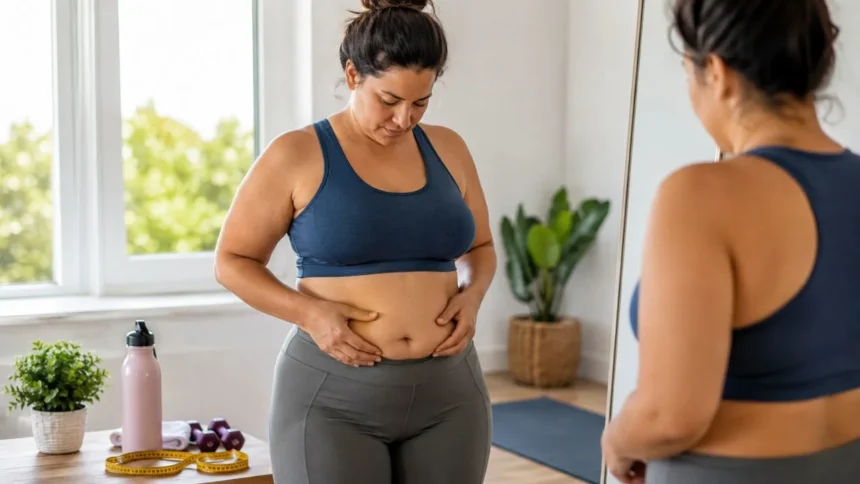
Apron Belly: Causes, Health Risks and How to Reduce It
An apron belly is an area of fat and skin that hangs from the lower abdomen, sometimes covering part of the pubic region or upper thighs. Its medical name is an abdominal pannus or panniculus. The size, shape and position can differ considerably from one person to another.
Some people develop a hanging lower belly after pregnancy, weight gain, major weight loss or changes associated with aging. Genetics, skin elasticity and body-fat distribution also play important roles. It can affect people of different body sizes and should never be viewed as evidence of laziness or poor self-care.
An apron belly may be mostly subcutaneous fat, loose skin or a combination of both. This distinction matters because fat loss can reduce fatty tissue, but lifestyle changes cannot fully remove stretched skin. Understanding what makes up the area helps create more realistic expectations about possible results.
Reducing an apron belly may involve gradual weight management, strength training, skin-fold care, medical treatment or body-contouring surgery. The right approach depends on health, symptoms and personal goals. This guide explains the causes, possible risks and evidence-based options without promoting shame or unrealistic promises.
What Is an Apron Belly?
An apron belly is a fold of tissue that hangs from the lower abdomen. Healthcare professionals may call it an abdominal pannus, panniculus or overhanging abdominal tissue. It can range from a small lower-belly fold to a larger area extending over the hips or thighs.
The tissue usually contains subcutaneous fat, which sits directly beneath the skin. It may also include stretched or loose abdominal skin, particularly after pregnancy or considerable weight loss. In many people, both components contribute to the appearance and weight of the fold.
An apron belly is not a separate disease. However, it can create practical health concerns when the fold traps heat and moisture or makes movement and hygiene difficult. Some people experience no physical symptoms and are concerned mainly about comfort, clothing or body confidence.
The term should not be used as an insult or judgment about someone’s health. Body shape alone cannot reveal eating habits, fitness level or medical status. A respectful assessment focuses on symptoms, metabolic risk and the person’s goals rather than appearance alone.
Apron Belly vs Lower Belly Fat
Lower belly fat describes fatty tissue stored beneath the skin or around abdominal organs. An apron belly refers specifically to tissue that folds or hangs downward. A person can carry abdominal fat without developing an overhang, while another person may have hanging skin after losing weight.
Subcutaneous fat is the soft tissue that can usually be pinched beneath the skin. It contributes to the thickness and weight of an abdominal pannus. When someone loses body fat, this layer may gradually shrink as part of overall weight loss.
Visceral fat lies deeper within the abdomen and surrounds internal organs. It cannot be pinched or directly seen, although a larger waist may indicate higher levels. Visceral fat is more closely associated with metabolic conditions such as type 2 diabetes and cardiovascular disease.
Exercises and cosmetic products cannot choose whether the body loses lower belly fat first. Fat distribution is influenced by genetics, hormones, age and sex. A sustainable plan should therefore focus on total health and gradual body-fat reduction instead of promising targeted results.
Apron Belly vs Loose Abdominal Skin
Loose abdominal skin can develop when the skin has been stretched for a long time and does not fully contract afterward. Pregnancy and substantial weight loss are common reasons. Aging, sun exposure, smoking history and genetics can also influence skin elasticity.
Loose skin often feels thinner and more wrinkled than a fat-dominant abdominal fold. However, it may still contain a layer of subcutaneous fat. It is not always possible to determine the exact amount of skin and fat without a professional examination.
Weight loss may make loose skin more noticeable because the volume beneath it decreases. This does not mean that healthy weight loss has failed. It means the skin has not tightened at the same rate as the underlying fatty tissue has reduced.
Creams, supplements and exercises cannot remove a significant amount of excess skin. Strengthening the muscles may improve posture and abdominal support, but it cannot shorten stretched skin. Surgical removal is the most direct option when excess tissue causes major functional problems.
What Causes an Apron Belly?
An apron belly usually develops through a combination of body-fat accumulation, skin stretching and reduced tissue elasticity. The exact cause differs between individuals. There is rarely one habit or event that completely explains why the lower abdomen changes shape.
Weight gain can increase the amount of subcutaneous fat stored in the abdominal area. As the tissue expands, the skin stretches to accommodate it. Long-term or repeated weight changes may make it more difficult for the skin to return to its previous position.
Pregnancy stretches the abdominal wall and skin over several months. Multiple pregnancies, carrying more than one baby and changes in abdominal muscle alignment can influence the postpartum shape. Recovery varies widely and may continue well beyond the early postpartum period.
Genetics determine where the body prefers to store fat and how elastic the skin remains. Age, hormones, smoking, medical conditions and previous surgeries can also affect abdominal appearance. The result is usually multifactorial rather than caused by a single personal choice.
Pregnancy and Postpartum Apron Belly
During pregnancy, the abdominal wall expands to support the growing uterus. The skin, connective tissue and abdominal muscles all adapt to this change. After birth, the uterus gradually becomes smaller, but the skin and abdominal tissues may take longer to recover.
Some people develop a lower abdominal fold after vaginal birth or cesarean delivery. A C-section scar can create a visible change in contour because the tissue above and below the incision heals differently. However, the operation itself is not the only reason for postpartum belly changes.
Diastasis recti, which is a widening between the abdominal muscles, may make the abdomen project outward. It is different from abdominal fat and loose skin, although all three can exist together. A physiotherapist or qualified healthcare professional can assess suspected muscle separation.
Postpartum recovery should be gradual and compassionate. Restrictive diets and intense exercise soon after delivery may interfere with healing, energy and milk production. Medical clearance is particularly important after surgery, complications or symptoms such as pelvic pressure, pain or urine leakage.
Weight Gain and Abdominal Fat Storage
When the body regularly receives more energy than it uses, some of that energy may be stored as fat. Where the fat collects is partly determined by genetics and hormones. Many people naturally store a noticeable amount around the lower abdomen.
Abdominal fat can increase gradually, making the lower belly heavier and more likely to fold. This change may occur alongside weight gain in the hips, thighs, arms or other areas. A lower-belly overhang does not necessarily mean all excess fat is concentrated in one location.
Weight gain may also be influenced by sleep deprivation, stress, reduced activity, medication, pregnancy or a health condition. Treating the cause is more effective than assuming the person simply lacks discipline. A clinician can review unexplained or rapid changes.
A modest reduction in overall body weight may lower abdominal fat and improve several health markers. The visible change in an apron belly varies because the remaining skin may continue to hang. Progress should therefore be measured through health, mobility and comfort as well as appearance.
Major Weight Loss and Hanging Skin
Substantial weight loss reduces the volume beneath the skin, but stretched skin may not completely tighten. The likelihood of loose skin depends on age, genetics, previous body size, the duration of stretching and the amount of weight lost.
A person may become healthier and physically fitter while developing a more noticeable abdominal fold. This can feel frustrating after considerable effort. The loose tissue is not proof that weight loss was unsuccessful or that the person should continue losing weight unnecessarily.
Overhanging skin can create friction, moisture and difficulty finding comfortable clothing. In more severe cases, it may interfere with walking, exercise or personal hygiene. These functional concerns are legitimate medical issues rather than purely cosmetic complaints.
Maintaining a stable weight gives the body time to adjust and helps clarify how much tissue will remain. Once weight has been stable, a plastic or reconstructive surgeon can assess whether panniculectomy or another body-contouring procedure may be appropriate.
Aging, Genetics and Skin Elasticity
Skin contains structural proteins that provide strength and elasticity. These qualities naturally change with age, making the skin less likely to tighten after being stretched. The degree of change varies widely between individuals.
Genetics influence skin thickness, collagen characteristics and the way fat is distributed. Two people with similar weights may have very different abdominal shapes. One may develop a pronounced fold, while the other carries fat more evenly across the torso.
Smoking can damage skin-supporting structures and affect wound healing. Repeated sun exposure also contributes to collagen breakdown, although the abdomen may receive less sunlight than other areas. Nutrition and overall health can influence the skin without guaranteeing complete tightening.
Hormonal changes may affect appetite, fat distribution and muscle mass. Menopause, for example, can shift fat storage toward the abdomen in some people. Anyone noticing rapid or unexplained changes should discuss them with a healthcare professional.
Is an Apron Belly Dangerous?
An apron belly is not automatically dangerous. The health implications depend on the amount and type of abdominal fat, existing medical conditions and whether the fold causes skin or mobility problems. Appearance alone cannot determine someone’s level of risk.
A high amount of visceral abdominal fat is associated with increased metabolic risk. It may occur alongside insulin resistance, high blood pressure, unhealthy cholesterol levels and fatty liver disease. A clinician may consider waist size, blood tests, blood pressure and medical history.
The hanging tissue itself can cause a different set of problems. Heat, sweat and friction beneath the fold may lead to irritation, fungal overgrowth, bacterial infection or skin breakdown. A larger pannus can also make the area harder to inspect and keep dry.
People without symptoms do not necessarily need treatment. Those experiencing repeated rashes, sores, odor, pain or movement difficulties should seek medical guidance. Addressing practical problems can improve health and quality of life regardless of whether weight loss is a goal.
Metabolic Risks of Abdominal Fat
Excess visceral fat is biologically active and is linked with inflammation and changes in metabolic function. It may increase the likelihood of type 2 diabetes, cardiovascular disease, sleep apnea and other weight-related conditions. Risk is influenced by more than body shape alone.
Subcutaneous fat within an apron belly is different from visceral fat, although both may be present. A large visible fold does not tell you precisely how much internal fat someone carries. Conversely, a person can have substantial visceral fat without a dramatic overhang.
Body mass index and waist circumference are screening tools rather than complete diagnoses. They do not account perfectly for muscle mass, ethnicity, body composition or fat distribution. Healthcare professionals interpret them alongside symptoms, laboratory results and family history.
Gradual weight loss may reduce visceral fat and improve blood pressure, blood glucose and triglyceride levels. Even when loose skin remains, internal health can improve considerably. The absence of a completely flat stomach does not erase those meaningful benefits.
Skin Rashes Under an Apron Belly
A deep skin fold creates a warm, damp environment where opposing surfaces rub together. This may cause intertrigo, an inflammatory rash commonly found beneath the breasts, groin or abdominal pannus. The area may become red, darkened, itchy, sore or moist.
Yeast and bacteria can grow more easily when the skin barrier is damaged. A secondary infection may cause worsening pain, cracks, discharge, odor or small surrounding spots. The appearance may differ on deeper skin tones, making warmth and tenderness important clues.
Mild irritation may improve when the area is gently cleaned, completely dried and protected from friction. Avoid harsh scrubbing, fragranced products and random steroid combinations. Steroids can sometimes worsen or hide fungal infections when used without a diagnosis.
A persistent or recurring rash should be assessed by a clinician. Treatment may require an antifungal, antibiotic, barrier product or another medicine depending on the cause. One cream cannot safely treat every skin-fold rash.
How to Care for the Skin Fold
Wash beneath the fold gently with lukewarm water and a mild, fragrance-free cleanser. Strong soaps, rough cloths and repeated scrubbing can damage the skin barrier. Rinse thoroughly so that cleanser does not remain trapped against the skin.
Dry the area carefully after bathing, exercise or heavy sweating. Pat instead of rubbing, and make sure moisture is removed from the deepest part of the fold. A clean, cool hair dryer on a low setting may help when towel drying is difficult.
Wear breathable clothing and change damp garments promptly. Some people find a soft, clean moisture-wicking fabric helpful beneath the fold, but it must be replaced regularly. A wet cloth left in place can increase irritation rather than prevent it.
Seek medical care for open sores, spreading redness, pus, fever or increasing pain. People with diabetes or reduced immunity should request help earlier because skin infections may worsen more quickly. Proper skin care supports comfort but cannot replace treatment for an established infection.
Can You Reduce an Apron Belly Naturally?
An apron belly containing a significant amount of fat may become smaller through gradual overall fat loss. The body cannot be instructed to remove fat only from the lower abdomen. Changes occur according to individual genetics and body-fat distribution.
A balanced eating pattern, physical activity, strength training, sleep and stress management can support weight management. These habits also improve health even when the visible fold changes slowly. Extreme detoxes and starvation diets are unnecessary and difficult to maintain.
Loose abdominal skin responds differently from fat. It may tighten to some degree over time, particularly in younger people or after smaller changes. Established excess skin is unlikely to disappear completely through food, exercise or topical products.
The most realistic goal is to improve health, comfort and function rather than chase a perfectly flat stomach. Some people reduce the fold considerably, while others retain hanging tissue after reaching a stable weight. Both outcomes can occur despite consistent effort.
Why Spot Reduction Does Not Work
Spot reduction is the idea that exercising one body part burns fat specifically from that location. Abdominal exercises strengthen muscles, but they do not force the body to use the fat directly above those muscles. Fat loss occurs throughout the body.
Thousands of crunches cannot selectively remove a lower-belly fold. They may improve abdominal endurance and posture, which can change how the stomach looks and feels. However, they cannot remove stretched skin or guarantee fat loss from one chosen area.
Sweat belts, waist trainers and slimming wraps may temporarily compress tissue or increase sweating. Any immediate reduction usually reflects water loss or compression rather than lost body fat. The area returns when normal hydration and positioning resume.
Products promising targeted fat melting should be approached cautiously. Meaningful fat reduction requires an ongoing change in energy balance or a medical procedure. Marketing language cannot override the body’s normal physiology.
Best Exercises for an Apron Belly
Walking is an accessible form of activity that supports cardiovascular health, mobility and energy expenditure. It can be adjusted according to fitness level and joint comfort. Short, frequent walks can be as valuable as one longer session when consistency is easier.
Resistance training helps preserve or build muscle during weight loss. Squats to a chair, supported rows, presses and hip-hinge movements can train several muscle groups efficiently. Beginners may benefit from instruction to improve technique and avoid injury.
Core exercises can strengthen the muscles supporting the trunk. Options may include controlled breathing, pelvic tilts, heel slides, bird dogs and modified planks. The safest choice depends on back health, pregnancy history, abdominal surgery and possible diastasis recti.
Exercise should progress gradually instead of causing sharp pain, pelvic pressure or urine leakage. A physical therapist can adapt movements for a larger abdomen, joint limitations or postpartum recovery. The best program is one that feels safe enough to continue.
Apron Belly Exercises After Pregnancy
Postpartum exercise should begin with recovery, breathing and gentle movement rather than aggressive abdominal workouts. The body needs time to heal after pregnancy and delivery. The appropriate timeline varies after vaginal birth, C-section and pregnancy complications.
Deep breathing and controlled abdominal engagement can help restore coordination between the diaphragm, abdominal wall and pelvic floor. These exercises should feel gentle. Forceful pulling-in or holding the breath can create unnecessary pressure.
Traditional sit-ups may not be the best starting point when diastasis recti, pelvic pain or pelvic-floor symptoms are present. A physiotherapist can assess movement and suggest alternatives. The aim is improved function rather than forcing the muscles together quickly.
Stop and seek guidance if exercise causes wound pain, heaviness, bulging, bleeding or worsening bladder symptoms. Postpartum bodies recover at different rates. Comparing progress with social-media transformations can create pressure that is neither useful nor medically realistic.
Eating Habits That Support Fat Loss
A sustainable eating plan emphasizes foods that provide nutrition and reasonable fullness. Vegetables, fruit, whole grains, beans, protein-rich foods and healthy fats can form the foundation. The exact combination should reflect culture, access, preferences and medical needs.
Protein helps support muscle maintenance, especially when combined with resistance training. Sources include eggs, fish, poultry, dairy, beans, lentils, tofu and other soy foods. Distributing protein across meals may be easier than trying to consume a very large amount at once.
Fiber-rich foods can improve fullness and digestive health. Increasing fiber too quickly may cause bloating, so changes should be gradual and accompanied by adequate fluids. Highly restrictive plans are not required to reduce abdominal fat.
Sugary drinks, frequent oversized portions and heavily processed snacks can add substantial energy without lasting fullness. Reducing them may help without banning every enjoyable food. Consistency across months matters more than following a perfect menu for several days.
Sleep, Stress and Weight Management
Sleep affects appetite, energy, decision-making and exercise recovery. A person who is regularly sleep deprived may find hunger and cravings more difficult to manage. Improving sleep does not directly melt belly fat, but it can support the habits needed for weight management.
Stress may influence eating patterns, alcohol use, physical activity and sleep. Some people eat more during stressful periods, while others skip meals and later overeat. Stress management should focus on practical support rather than blaming the hormone cortisol for every body change.
Relaxation practices, counseling, social support and regular movement may help manage stress. The most useful method depends on the person’s circumstances. Weight-management advice should acknowledge work, caregiving, finances and mental health rather than treating behavior in isolation.
Persistent fatigue, loud snoring or waking with headaches may suggest sleep apnea. This condition is more common in people with obesity and can affect overall health. Medical assessment is more appropriate than relying only on willpower to overcome exhaustion.
Can Creams Tighten an Apron Belly?
Moisturizers can improve dryness and make the skin feel smoother, but they cannot remove a large abdominal pannus. Products containing humectants or barrier-supporting ingredients may improve the surface of the skin without changing the amount of underlying tissue.
Firming creams often claim to rebuild collagen or tighten loose abdominal skin. Any visible effect is usually subtle and temporary. A topical product cannot contract enough established skin to produce results comparable to a surgical procedure.
Retinoid products may influence surface texture and collagen over time, but they can cause irritation and are not appropriate for everyone. Pregnancy and breastfeeding require particular caution with retinoids. Professional advice is recommended before applying strong active ingredients.
Avoid products that create burning, intense heat or painful tingling. These sensations do not mean that fat is melting. Chemical burns and dermatitis can make skin-fold care more difficult and increase the risk of infection.
Do Support Garments Help?
A supportive garment can lift and stabilize an abdominal fold, making walking or exercise more comfortable. It may also reduce movement-related pulling and help clothing fit more smoothly. The effect lasts only while the garment is being worn.
Compression does not burn fat or permanently tighten skin. A garment that is too tight may trap sweat, irritate the skin or make breathing and movement uncomfortable. The correct fit should feel supportive without causing numbness or deep marks.
Breathable, moisture-wicking materials may be more comfortable for daily use. Wash garments regularly and allow the skin to dry completely before putting them on. Wearing damp compression over an existing rash can worsen the problem.
Support belts may be useful after certain surgeries or during postpartum recovery when recommended by a clinician. They should not replace muscle rehabilitation or medical assessment. Comfort and function are more important than forcing the abdomen into a smaller shape.
Medical Weight-Loss Options
People who struggle to lose weight through lifestyle changes alone may benefit from medical evaluation. Obesity is a complex chronic condition influenced by biology, environment, medicines, sleep and mental health. Seeking treatment is not evidence of failure.
A healthcare professional can screen for diabetes, high blood pressure, sleep apnea and medication-related weight gain. The assessment may also identify eating disorders, thyroid problems or mobility limitations that require individualized support.
Prescription weight-management medicines may be appropriate for some adults based on body mass index and related health conditions. They work through different mechanisms and have different side effects. They should be used alongside nutrition, activity and ongoing medical monitoring.
Metabolic or bariatric surgery may be considered for eligible people with severe obesity or significant weight-related disease. It can produce substantial health benefits, but it also requires lifelong nutritional follow-up. Neither medication nor bariatric surgery directly guarantees that stretched skin will disappear.
Panniculectomy for an Apron Belly
Panniculectomy is an operation that removes hanging skin and fatty tissue from the lower abdomen. Its main goal is often functional improvement, such as reducing recurring rashes, skin breakdown or interference with movement and hygiene.
The procedure does not usually tighten the abdominal muscles. It also is not designed as a primary weight-loss treatment. Surgeons generally prefer the patient’s weight to be stable because later changes can affect healing and the final result.
Recovery may involve drains, compression garments, activity restrictions and several weeks of healing. Possible risks include bleeding, infection, fluid collections, scarring, wound separation and blood clots. A qualified surgeon should explain individual risk factors.
Insurance coverage varies and may depend on documented medical necessity. Records of recurring infections, prescribed treatments and functional limitations may be requested. Cosmetic dissatisfaction alone may not meet a plan’s coverage requirements.
Panniculectomy vs Tummy Tuck
A panniculectomy removes an overhanging pannus from the lower abdomen. It is often performed to improve hygiene, movement or recurring skin problems. The emphasis is on removing the troublesome tissue rather than creating a particular cosmetic shape.
A tummy tuck, medically called abdominoplasty, removes excess skin and may tighten separated or weakened abdominal muscles. It is usually considered a cosmetic body-contouring operation, although it can have functional benefits in selected cases.
The incision and recovery can be extensive for either procedure. A tummy tuck may involve more contouring and muscle repair, while panniculectomy may leave less refined cosmetic shaping. The precise plan depends on anatomy and the surgeon’s technique.
Neither procedure prevents future weight gain or pregnancy-related changes. Stable weight and realistic expectations improve the likelihood of a lasting result. People planning another pregnancy may be advised to delay elective abdominal contouring.
Liposuction and Nonsurgical Treatments
Liposuction removes selected deposits of subcutaneous fat through small incisions. It is a contouring procedure rather than a treatment for obesity. It does not remove large amounts of hanging skin and may make laxity more noticeable in some people.
Someone with good skin elasticity and a localized fat pocket may be a better liposuction candidate than someone with a heavy abdominal pannus. A surgeon must assess skin quality, fat distribution and general health before recommending the procedure.
Nonsurgical body-contouring treatments use cooling, heat, ultrasound or other energy to reduce small fat deposits. Results are usually modest and require suitable anatomy. They are not replacements for panniculectomy when a substantial skin fold is present.
Be cautious of clinics promising dramatic removal of an apron belly without surgery, recovery or lifestyle changes. Ask about regulatory approval, expected percentage of reduction and possible complications. Before-and-after photographs do not guarantee another person’s outcome.
How Long Does It Take to Reduce an Apron Belly?
The timeline depends on how much of the fold consists of fat, loose skin or both. Fat loss occurs gradually, and the lower abdomen may not be the first area to change. Genetics strongly influence the order in which different body regions become smaller.
A sustainable rate is usually more useful than pursuing extremely rapid weight loss. Faster loss is not always better and may increase fatigue, muscle loss or gallstone risk in some people. A personalized plan should consider starting health and medical treatment.
Skin may continue changing after weight stabilizes, but substantial excess tissue may remain. Giving the body time can prevent making surgical decisions during an active period of weight change. Surgeons often discuss stability before planning body contouring.
Track improvements in waist measurements, strength, walking comfort, skin health and laboratory markers. Scale weight alone cannot show changes in muscle, internal fat or quality of life. Multiple measures provide a more accurate picture of progress.
When to See a Healthcare Professional
Seek medical advice when the skin beneath the fold repeatedly becomes painful, cracked, wet or foul-smelling. A clinician can determine whether irritation, yeast, bacteria or another condition is responsible. Correct treatment can prevent the rash from becoming more severe.
Urgent assessment is appropriate for rapidly spreading redness, fever, pus, severe tenderness or blackened skin. These symptoms may indicate a significant infection or tissue damage. People with diabetes or reduced immunity should request help promptly.
A new firm lump, one-sided swelling or painful bulge should also be examined. Hernias and other abdominal conditions can change the shape of the belly. Do not assume every bulge is simply fat or loose skin.
Professional support is also valuable when body concerns lead to extreme dieting, compulsive exercise or avoidance of daily activities. Mental health and body image deserve respectful care. Improving health should not require developing a harmful relationship with food or exercise.
Final Thoughts on Reducing an Apron Belly
An apron belly is a fold of lower abdominal skin and fat that may develop after pregnancy, weight changes, aging or a combination of factors. Its presence is common and does not define a person’s health, fitness or worth.
Gradual fat loss can reduce the fatty portion, while strength training may improve muscle support, posture and mobility. These approaches cannot fully remove significant loose skin. Honest expectations protect people from misleading products and unnecessary frustration.
Skin-fold care is important when heat, sweat and friction cause irritation. Keeping the area clean and dry, using appropriate barriers and treating infection promptly can improve daily comfort. Recurring problems deserve professional assessment.
When excess tissue creates ongoing functional difficulties, panniculectomy may provide a direct solution after weight has stabilized. The best plan is individualized, medically appropriate and focused on sustainable health rather than pressure to achieve a particular body shape.
Frequently Asked Questions
Can an apron belly go away without surgery?
The fatty portion may shrink with overall weight loss, but considerable loose skin may remain. Surgery is the only reliable way to remove a large amount of established excess skin.
What exercise gets rid of an apron belly?
No exercise can target lower-belly fat specifically. Walking, resistance training and core exercises can support overall fat loss, strength and function when combined with sustainable eating habits.
Is an apron belly caused by a C-section?
A C-section scar may influence the lower abdominal contour, but pregnancy-related stretching, fat distribution and skin elasticity also contribute. It is not caused by the incision alone.
Can an apron belly cause health problems?
It may trap heat and moisture, leading to friction, rashes or infection. Associated visceral abdominal fat may also increase metabolic risk, although the visible fold alone cannot determine that risk.
What surgery removes an apron belly?
Panniculectomy removes overhanging lower abdominal skin and fat. A tummy tuck may additionally tighten abdominal muscles and provide more extensive cosmetic contouring.