

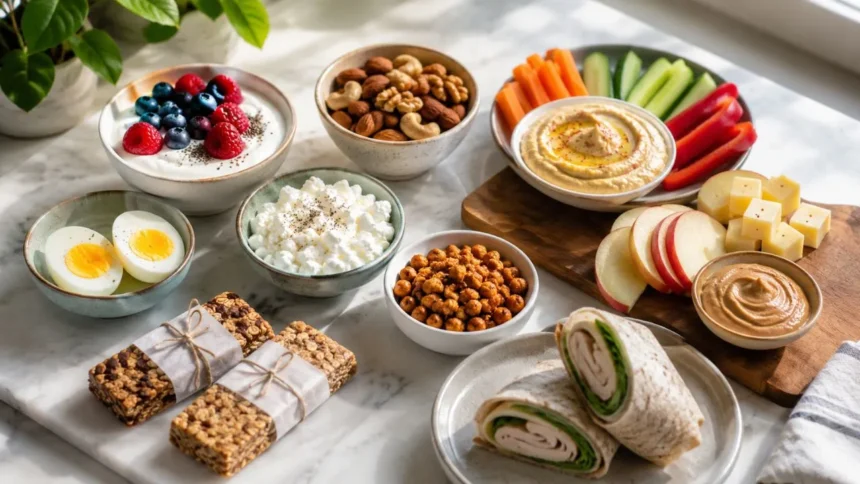
Protein Snacks: 10 Healthy Picks to Keep You Full
Hunger between meals can make it difficult to concentrate, stay energetic, or maintain balanced eating habits. A sugary snack may provide quick satisfaction, but that feeling often disappears sooner than expected. Choosing protein snacks can help you feel satisfied for longer while supplying nutrients your body needs for everyday function.
Protein plays an important role in building and maintaining muscles, supporting immune function, and repairing body tissues. It also takes longer to digest than many refined carbohydrates, which can make a protein-rich snack more filling. Pairing protein with fiber or healthy fats can provide even more lasting satisfaction.
The best high-protein snacks do not need to be expensive, complicated, or heavily processed. Everyday foods such as yogurt, eggs, tuna, beans, and cottage cheese can become quick snacks with very little preparation. Many of these options are also easy to pack for work, school, travel, or busy afternoons.
Below are 10 healthy protein snack ideas that suit different tastes, budgets, and lifestyles. Each option includes simple serving suggestions and practical ways to make it more balanced. Protein amounts can vary according to portion size, product type, ingredients, and brand.
Why Protein Snacks Can Help Control Hunger
Protein may help a snack feel more satisfying because the body generally digests it more slowly than highly refined carbohydrates. A snack containing only candy, cookies, or a sugary drink may provide fast energy without lasting fullness. Adding protein can help create a steadier and more balanced eating experience.
A high-protein snack may also help prevent excessive hunger before your next meal. When people become extremely hungry, they may eat quickly or choose whatever food is most convenient. A planned snack can provide enough satisfaction to support more thoughtful choices later in the day.
Protein-rich foods can be especially useful for active people who need nutrients between workouts and meals. Protein supports muscle repair, while carbohydrates help restore energy used during physical activity. Combining the two can create a practical post-workout snack that supports recovery without requiring a full meal.
However, protein is not the only nutrient that matters. Fiber, healthy fats, vitamins, minerals, and overall food quality should also guide your choices. A satisfying snack often combines protein with fruit, vegetables, whole grains, nuts, seeds, or another minimally processed food.
What Makes a Protein Snack Healthy?
A healthy protein snack should provide meaningful nutrition without excessive added sugar, sodium, or highly processed ingredients. The word “protein” on a package does not automatically make the product nutritious. Checking the complete ingredient list and nutrition label can help you compare similar options more effectively.
Look for snacks that contain recognizable ingredients and offer protein alongside other valuable nutrients. Greek yogurt provides calcium, while edamame supplies fiber and plant-based protein. Nuts contain healthy fats, and eggs provide several essential nutrients in addition to their protein content.
Portion size also matters when choosing healthy snack ideas. Foods such as nuts, seeds, cheese, and nut butter are nutritious but energy-dense. Serving them in a small bowl or container may make it easier to enjoy an appropriate amount without eating directly from a large package.
Your individual needs should guide your choices as well. Someone with a dairy allergy, vegetarian diet, kidney condition, or specific medical concern may require different protein sources. People following a medically prescribed eating plan should discuss major dietary changes with a qualified healthcare professional.
How Much Protein Should a Snack Contain?
There is no single protein amount that every snack must contain. Your ideal portion depends on your age, body size, activity level, meal schedule, health needs, and overall diet. A small snack may provide less protein than a substantial snack used to bridge a long gap between meals.
Many people find that a snack containing approximately 10 to 20 grams of protein feels satisfying. Smaller amounts can still contribute to daily nutrition, particularly when the snack also contains fiber or healthy fats. More protein is not automatically better if it adds unnecessary calories or replaces other nutrients.
Consider the timing and purpose of the snack. A few hours before dinner, a boiled egg and fruit may be enough. After an intense workout or during a long workday, a Greek yogurt bowl, tuna snack, or protein smoothie may provide more appropriate nourishment.
It is also helpful to spread protein-containing foods throughout the day rather than relying on one unusually large serving. Including protein at breakfast, lunch, dinner, and selected snacks can support consistent intake. Your total eating pattern matters more than achieving an exact number at every snack.
10 Healthy Protein Snacks for Lasting Fullness
The following healthy high-protein snacks include dairy, meat, fish, eggs, legumes, nuts, and plant-based choices. This variety makes it easier to select foods that match your preferences. You can also rotate the options throughout the week to avoid becoming bored with the same snack.
Most choices require only a few ingredients and minimal preparation. Several are portable protein snacks that can be taken to work, school, the gym, or on a journey. A small amount of advance preparation can make nutritious choices more convenient when hunger appears unexpectedly.
Each snack can be adjusted according to your appetite and dietary needs. Add vegetables or fruit for fiber, choose whole grains when appropriate, and use herbs or spices for flavor. Read labels on packaged products because protein, sugar, and sodium levels can differ significantly.
Remember that a snack should support your day rather than becoming an automatic habit. Eat when you are physically hungry, select a comfortable portion, and pay attention to fullness. Mindful eating can make even simple foods feel more satisfying and enjoyable.
1. Greek Yogurt With Berries
Greek yogurt is one of the easiest high-protein snacks for people who eat dairy. A typical individual serving may provide around 15 to 20 grams of protein, depending on the brand and portion. Its thick texture also makes it feel more substantial than many traditional flavored yogurts.
Choose plain Greek yogurt when you want greater control over added sugar. You can sweeten it naturally with blueberries, strawberries, raspberries, sliced banana, or a small amount of honey. Fresh or frozen berries also add fiber, antioxidants, color, and natural sweetness.
For additional texture, sprinkle chia seeds, pumpkin seeds, chopped almonds, or a small amount of low-sugar granola on top. These additions provide healthy fats and extra nutrients. Measure energy-dense toppings so the snack remains balanced rather than becoming much larger than intended.
Greek yogurt works well as a breakfast snack, afternoon pick-me-up, or post-workout option. Store it in an insulated lunch bag when refrigeration is not immediately available. People avoiding dairy can choose a high-protein soy yogurt, although nutritional values vary between products.
2. Cottage Cheese With Fruit or Vegetables
Cottage cheese is a versatile protein-rich food that can be prepared as a sweet or savory snack. Half a cup often contains approximately 12 to 14 grams of protein. Its mild flavor makes it easy to combine with ingredients you may already have at home.
For a sweet version, add pineapple chunks, peaches, berries, sliced pears, or melon. Fruit adds natural sweetness and fiber without requiring sugary syrups. Cinnamon, vanilla, or a few crushed walnuts can provide additional flavor and make the snack feel more satisfying.
For a savory snack, pair cottage cheese with cucumber, cherry tomatoes, black pepper, herbs, or sliced bell peppers. You can also spread it over a whole-grain cracker or piece of toast. This combination provides protein and carbohydrates for steady energy.
Cottage cheese is available in different fat and sodium levels, so compare labels when shopping. A reduced-sodium variety may be useful for people limiting salt. Individuals with lactose intolerance should choose an appropriate lactose-free product or select a non-dairy protein snack instead.
3. Hard-Boiled Eggs With Whole-Grain Crackers
Eggs are affordable, widely available, and easy to prepare in advance. Two large eggs provide approximately 12 grams of high-quality protein. They also contain important nutrients that support overall health, making them a practical choice for more than protein alone.
Boil several eggs at the beginning of the week and keep them refrigerated for convenient snacking. Pair one or two eggs with whole-grain crackers, fresh fruit, or raw vegetables. The additional carbohydrates and fiber can make the snack more complete and satisfying.
For extra flavor, add black pepper, paprika, chili flakes, mustard, or a small amount of seasoning. Avoid relying on large amounts of salt, especially when other foods in your diet are sodium-rich. A homemade egg snack is often easier to customize than a packaged convenience option.
Hard-boiled eggs are suitable for breakfast, work breaks, or after light exercise. Keep them properly chilled and avoid leaving them at room temperature for extended periods. People who dislike boiled eggs can try a small vegetable omelet or egg muffin instead.
4. Steamed Edamame With Light Seasoning
Edamame consists of young soybeans that are usually steamed or boiled before eating. One cooked cup can provide roughly 17 grams of plant-based protein, along with fiber. This combination makes edamame one of the most filling vegan protein snacks available.
Frozen edamame can be prepared quickly in the microwave or on the stovetop. Choose shelled beans for easy eating or edamame in pods for a slower, more mindful snack. Season lightly with pepper, garlic, lemon juice, chili, or a small pinch of salt.
The fiber in edamame supports digestive health and may help the snack feel satisfying. It also provides several vitamins and minerals found naturally in soybeans. Unlike many crunchy packaged snacks, plain edamame contains no added sugar and can be minimally processed.
Portion cooked edamame into small containers for several days of convenient snacking. It can be eaten warm or cold, depending on your preference. Anyone with a soy allergy should avoid edamame and choose another option such as eggs, chickpeas, yogurt, or tuna.
5. Roasted Chickpeas
Roasted chickpeas provide plant-based protein, fiber, and a satisfying crunch. Around half a cup may offer approximately 7 to 8 grams of protein, although amounts vary. While the protein level is moderate, the combination of protein and fiber can help control between-meal hunger.
You can make roasted chickpeas by draining and drying canned chickpeas before baking them with a small amount of oil. Season them with paprika, cumin, garlic, curry powder, or black pepper. Allowing them to dry thoroughly before baking can create a crispier texture.
Store-bought roasted chickpeas are convenient, but some varieties contain considerable sodium, oil, or flavoring. Compare labels and choose a product with a simple ingredient list. Portioning them into individual containers can prevent mindless eating from a large package.
Roasted chickpeas are useful for anyone seeking portable protein snacks without dairy or meat. Eat them alone or combine them with pumpkin seeds and a few nuts. They can also replace croutons on salads, helping add texture and plant-based nutrition.
6. Tuna Pouch With Whole-Grain Crackers
Tuna is a lean source of protein that requires very little preparation. A single plain tuna pouch may provide approximately 16 to 20 grams of protein. Shelf-stable pouches are convenient for work, travel, or situations where preparing a fresh snack is difficult.
Pair tuna with whole-grain crackers, cucumber slices, bell pepper strips, or a small piece of whole-grain bread. This combination adds carbohydrates and fiber to the protein. Lemon juice, black pepper, herbs, or mustard can provide flavor without requiring heavy sauces.
Check the sodium content of flavored tuna products because some varieties contain more salt than plain tuna. Tuna packed in water may be lighter than oil-packed varieties, although both can fit into a balanced diet. Choose the type that best matches your needs and preferences.
Because tuna contains mercury, it is sensible to vary your seafood choices rather than eating it excessively. Salmon pouches can provide a similar convenient protein snack. Pregnant people and those with specific health concerns should follow professional guidance regarding fish type and frequency.
7. Turkey Roll-Ups With Vegetables
Turkey roll-ups are a simple low-carbohydrate protein snack that can be prepared in minutes. Place sliced turkey around cucumber, bell pepper, avocado, or a small piece of cheese. Approximately three ounces of turkey may provide around 15 to 20 grams of protein.
Choose minimally processed roasted turkey when possible and review the label for sodium and added ingredients. Deli meats can be convenient, but some products are highly salted. Freshly cooked turkey or chicken slices can be used when you want greater control over ingredients.
Add mustard, hummus, mashed avocado, or plain Greek yogurt before rolling the turkey. These additions create more flavor and help hold the vegetables in place. Including colorful vegetables adds fiber, crunch, and volume without making the preparation complicated.
Prepare the roll-ups shortly before eating or store them in a sealed refrigerated container. They are useful for work lunches, afternoon snacks, and quick post-workout meals. Vegetarians can create a similar snack using baked tofu slices or a high-protein bean spread.
8. Nuts, Seeds, and a Piece of Fruit
Nuts and seeds provide protein, healthy fats, fiber, and several essential nutrients. A small handful may contain approximately 5 to 8 grams of protein, depending on the mixture. Although they are not the highest-protein option, their fat and fiber content can make them satisfying.
Try almonds, pistachios, peanuts, walnuts, pumpkin seeds, sunflower seeds, or a combination. Pair them with an apple, orange, pear, or handful of grapes. Fruit adds carbohydrates, hydration, natural sweetness, and additional fiber to the snack.
Keep the portion moderate because nuts and seeds are energy-dense. Around a quarter cup or small closed handful is often enough for a snack. Buying individual packs or preparing portions at home can make it easier to avoid eating more than planned.
Choose unsalted or lightly salted options when possible and avoid mixtures covered in sugar or candy. A simple homemade trail mix can include nuts, seeds, and a small amount of unsweetened dried fruit. People with nut allergies can use roasted seeds or another safe protein source.
9. Protein Smoothie
A protein smoothie can provide 20 grams of protein or more, depending on the ingredients. It is especially useful when you need a quick breakfast, post-workout snack, or portable option. However, the final nutritional value depends heavily on what you add.
Start with milk, soy milk, Greek yogurt, or another protein-containing base. Add fruit, leafy greens, oats, chia seeds, or nut butter according to your needs. A protein powder can increase the amount, but it is not necessary when whole-food ingredients provide enough.
Avoid turning the smoothie into an oversized drink containing several high-calorie ingredients. Use one main fruit, a measured protein source, and a modest amount of healthy fat. Water or ice can create more volume without adding sugar or unnecessary calories.
Choose a protein powder with a simple ingredient list when using one. People with allergies, digestive sensitivities, or medical conditions should check the ingredients carefully. A homemade smoothie generally offers more control than many bottled versions containing added sugar.
10. Apple Slices With Peanut Butter
Apple slices with peanut butter create a balanced combination of carbohydrates, fiber, protein, and healthy fats. Two tablespoons of peanut butter usually provide around 7 to 8 grams of protein. Although the protein amount is moderate, the overall combination can feel satisfying.
Choose peanut butter made mainly from peanuts, with little or no added sugar. Almond, cashew, sunflower seed, or soy butter can also be used. Selecting a safe alternative makes this healthy snack suitable for different preferences and allergy considerations.
Slice an apple and spread a thin layer of nut or seed butter on each piece. Sprinkle cinnamon, chia seeds, or crushed pumpkin seeds on top for extra flavor. Measuring the spread is helpful because nut butter is nutritious but concentrated in calories.
This snack requires almost no cooking and works well before exercise or during a busy afternoon. The apple provides quick energy, while the fat and protein slow the eating experience. Pears, bananas, celery, or whole-grain toast can be used instead.
Best Protein Snacks for Weight Management
Protein snacks may support weight management by helping you stay satisfied between meals. However, adding snacks to your day without considering hunger and total intake may not produce the desired result. A snack should solve a genuine need rather than simply provide another opportunity to eat.
Choose foods that offer protein along with fiber, water, or volume. Greek yogurt with berries, cottage cheese with vegetables, edamame, and roasted chickpeas are useful examples. These options can feel substantial without relying heavily on added sugar or refined flour.
Portion awareness remains important, particularly with nuts, seeds, cheese, and nut butter. These foods are nutrient-rich but can provide considerable energy in small servings. Measuring a portion until you become familiar with its size can help you snack more intentionally.
Avoid labelling foods as completely good or bad. Weight management depends on your overall eating pattern, activity level, sleep, health, and individual needs. Protein is helpful, but it cannot replace a balanced diet or guarantee weight loss by itself.
Portable Protein Snacks for Work and Travel
Busy schedules can make packaged sweets and fast food seem like the easiest choices. Keeping portable protein snacks available gives you another option when meetings run late or travel delays a meal. Planning ahead can also reduce unnecessary spending on convenience foods.
Shelf-stable choices include tuna pouches, roasted chickpeas, nuts, seeds, nut butter packs, and selected protein bars. Fresh options such as yogurt, eggs, turkey roll-ups, or cottage cheese require refrigeration. An insulated bag and ice pack can help maintain safe temperatures.
Read labels carefully when choosing packaged snacks. Look beyond the front label and compare protein, fiber, added sugar, sodium, and portion size. Some products marketed as healthy protein snacks contain amounts of sugar similar to desserts.
Pack snacks in small containers so they are easy to find and eat. Include napkins, a spoon, or crackers when needed. A complete snack kit may prevent you from abandoning your nutritious choice because an essential item is missing.
How to Choose a Healthy Protein Bar
Protein bars can be convenient, but their nutritional quality varies widely. Some contain useful amounts of protein and fiber, while others are primarily sweetened snack bars with added protein. Reading the nutrition label is more reliable than judging the package design.
Choose a bar that provides enough protein for your needs without an excessive amount of added sugar. A shorter ingredient list may be easier to understand, although length alone does not determine quality. Consider how the bar fits with everything else you eat that day.
Pay attention to sugar alcohols and added fibers if you have a sensitive digestive system. Large amounts may cause gas, bloating, or discomfort in some people. Trying a small portion before using a new bar during travel or exercise can prevent an unpleasant experience.
Protein bars are useful for emergencies, but whole foods may provide greater variety and satisfaction when available. Yogurt, eggs, fruit, nuts, beans, and fish offer nutrients in their natural food forms. Use bars as a practical tool rather than the foundation of your diet.
Common Mistakes When Choosing Protein Snacks
One common mistake is focusing only on the protein number. A snack may contain 20 grams of protein while also being high in added sugar, sodium, or calories. Consider the entire nutritional profile instead of treating protein as the only measure of quality.
Another mistake is choosing portions that are too small to satisfy hunger. A single spoonful of yogurt or a few nuts may leave you searching for more food moments later. Build a snack that matches the amount of time until your next meal.
The opposite problem is creating a snack that is similar in size to a full meal. Large smoothies, multiple protein bars, or unlimited handfuls of nuts can provide more energy than expected. Use a plate, bowl, or planned serving instead of eating from packages.
Some people also depend entirely on powders, bars, and processed products. These foods can be convenient, but they should not replace dietary variety. Rotating dairy, eggs, legumes, seafood, nuts, seeds, and lean meats provides a broader range of nutrients.
How to Prepare Protein Snacks in Advance
Begin by choosing three or four snacks you genuinely enjoy rather than preparing ten different options. Repeating a few simple combinations reduces shopping and preparation time. You can rotate your selections the following week to create more variety.
Boil eggs, roast chickpeas, wash fruit, cut vegetables, and portion nuts in advance. Store foods in transparent containers so they are easy to notice. A ready-to-eat snack is more likely to be chosen than an ingredient requiring several preparation steps.
Keep refrigerated and shelf-stable options available. Yogurt and eggs are useful at home, while nuts and tuna pouches can remain in a desk or travel bag. This combination prepares you for different schedules and storage situations.
Review your snack habits after one or two weeks. Notice which foods keep you satisfied and which portions are too large or small. Adjusting the plan according to real experience makes it more sustainable than following a rigid list.
Frequently Asked Questions About Protein Snacks
What is the healthiest high-protein snack?
Greek yogurt, eggs, edamame, cottage cheese, and tuna are nutritious choices. The healthiest option depends on your dietary needs, allergies, activity level, and preferred portion.
What protein snack keeps you full the longest?
A snack combining protein, fiber, and healthy fats usually provides lasting satisfaction. Greek yogurt with berries and seeds or an apple with peanut butter are practical examples.
Are protein snacks good for weight loss?
They may help control hunger and support portion awareness, but they do not guarantee weight loss. Overall calorie intake, food quality, activity, sleep, and consistency also matter.
What are good protein snacks without dairy?
Eggs, tuna, turkey, edamame, roasted chickpeas, nuts, seeds, and hummus are dairy-free options. Always check packaged products for hidden dairy ingredients when allergies are involved.
Can I eat a protein snack before bed?
A small protein snack can be suitable before bed when you are genuinely hungry. Choose a comfortable portion that does not cause digestive discomfort or interfere with sleep.
Final Thoughts
Protein snacks can make busy days easier by providing convenient nutrition and helping manage hunger between meals. The most useful choices combine protein with fiber, healthy fats, or nutrient-rich carbohydrates. This balance supports satisfaction, energy, and overall dietary quality.
You do not need special products to create a protein-rich snack. Greek yogurt, eggs, cottage cheese, chickpeas, tuna, edamame, and nuts are familiar foods that require little preparation. Simple ingredients can often be more affordable and customizable than packaged alternatives.
Choose portions according to your hunger and the length of time until your next meal. A light snack may be enough during a short gap, while a more substantial option can help during work, travel, or exercise days. Pay attention to how different combinations make you feel.
Keeping two or three healthy protein snacks prepared can reduce last-minute decisions and make nutritious eating more realistic. Start with the options you already enjoy, make small improvements, and build a routine that fits comfortably into your lifestyle.