

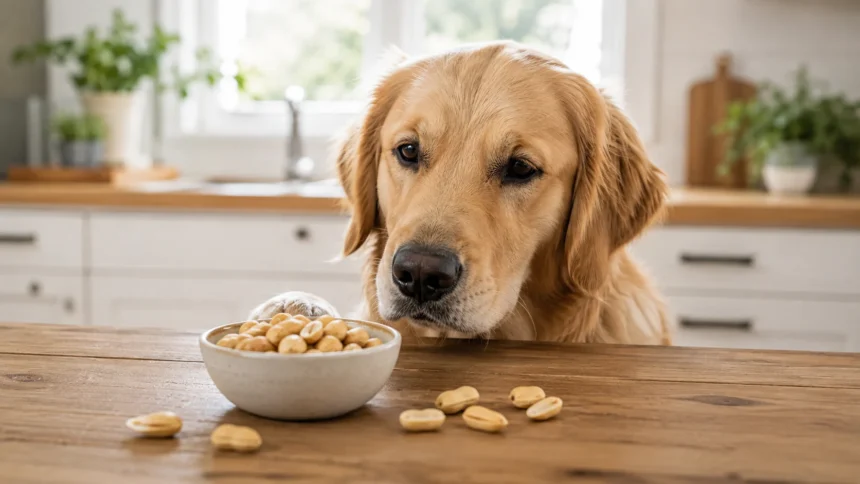
Can Dogs Have Peanuts? Benefits, Risks & Serving Tips
Dogs can have peanuts in small amounts when the peanuts are plain, shelled, unsalted, and served as an occasional treat rather than a regular part of the diet. Peanuts themselves are not considered toxic to dogs, and many healthy dogs can enjoy a few without experiencing a problem. However, peanuts are naturally high in fat and calories, so portion size matters much more than many owners realize. Salted, flavored, chocolate-covered, candied, or heavily seasoned peanuts can introduce ingredients that are unnecessary or potentially harmful to dogs. Peanut shells can also create choking or digestive risks and should always be removed. The safest approach is therefore to treat peanuts as a small extra rather than as an important source of nutrition.
Peanut butter can also be safe for many dogs, but it introduces an important additional concern because some human nut butters may contain xylitol. Xylitol, sometimes called birch sugar or wood sugar, can cause a dangerous release of insulin in dogs and may result in severe hypoglycemia, seizures, liver injury, or death. The FDA specifically advises checking nut butter labels before giving them to dogs because some products contain this sweetener. Even xylitol-free peanut butter should be limited because of its high fat and calorie content. Whether you are offering whole peanuts or peanut butter, moderation and careful label reading are the most important safety rules.
Can Dogs Eat Peanuts Safely?
Plain peanuts are generally safe for healthy dogs when they are fed in small quantities. Peanuts are legumes rather than true tree nuts, and they do not contain the same known canine toxins associated with foods such as macadamia nuts. A few shelled peanuts may therefore work as an occasional reward for many adult dogs. PetMD’s veterinarian-reviewed guidance similarly notes that peanuts are not toxic to dogs but should still be offered with several precautions in mind. The fact that a food is not toxic does not mean unlimited amounts are appropriate, however. Fat, calories, sodium, choking risk, and a dog’s existing health conditions all influence whether peanuts are a sensible treat.
The safest peanuts for dogs are dry-roasted or raw peanuts with no salt, sugar, spicy seasoning, chocolate, or other flavor coatings. Plain peanuts allow owners to know exactly what the dog is consuming without worrying about hidden ingredients. Human snack peanuts are often heavily salted or coated with barbecue, chili, honey, caramel, or other seasonings that are intended for people rather than pets. Some flavored mixtures may also contain garlic or onion ingredients, which dogs should not consume. It is therefore better to buy a simple unsalted variety if you intend to share occasional peanuts with your dog. An ingredient list containing only peanuts is usually easier to evaluate than a complicated flavored snack.
Peanuts should always be removed from their shells before being offered to a dog. The shell is fibrous, difficult to digest, and can become a choking hazard, particularly for small dogs or dogs that gulp food without chewing. Larger pieces of shell may also irritate the digestive tract or contribute to a blockage if enough material is swallowed. PetMD specifically warns that unshelled peanuts can pose choking or intestinal obstruction concerns. Removing the shell takes only a moment and eliminates a risk that provides no nutritional benefit. Dogs that raid a bowl of unshelled peanuts should be monitored more carefully than dogs that eat a few plain kernels.
New foods should be introduced gradually, particularly in dogs with sensitive stomachs. One or two small peanut pieces are enough to observe whether a dog experiences vomiting, diarrhea, itching, or another unexpected reaction. Most dogs that tolerate peanuts will show no obvious problem after a modest serving. Giving a large handful the first time makes it more difficult to determine whether the food agrees with the dog and increases the risk of digestive upset. Dogs already eating a complete and balanced commercial diet do not need peanuts nutritionally. The purpose is enjoyment, enrichment, or an occasional reward rather than filling an essential dietary gap.
Owners should also think about how peanuts fit into the dog’s total daily diet. A tiny dog has much lower calorie needs than a large working dog, so the same handful represents a dramatically different proportion of daily energy intake. Treat calories can accumulate quickly when peanuts are combined with dental chews, training treats, table scraps, and peanut butter in toys. A dog can therefore gain weight even though each individual snack seems small. Many veterinary nutrition recommendations use the general principle that treats should remain a minor portion of daily calories, commonly around 10% or less. PetMD applies this same 10% guideline to peanut butter and other dog treats.
Potential Benefits of Peanuts for Dogs
Peanuts contain protein, which is one reason they are often perceived as a nutritious snack. Protein supplies amino acids used throughout the body for muscles, enzymes, hormones, immune proteins, and tissue repair. However, a few peanuts provide only a small contribution compared with the complete protein already present in a well-formulated dog food. Dogs should therefore not rely on peanuts as a meaningful protein supplement. The protein is better viewed as a nutritional feature of the treat rather than a reason to feed larger portions. A complete canine diet is designed to provide the correct balance of amino acids, minerals, vitamins, and energy in proportions that peanuts alone cannot provide.
Peanuts also contain unsaturated fats, including monounsaturated and polyunsaturated fatty acids. In human nutrition, these fats are often discussed favorably when they replace certain other dietary fats, but the situation is different when peanuts are simply added to a dog’s already balanced diet. Fat is calorie-dense, providing much more energy per gram than protein or carbohydrate. This means only a small quantity can noticeably increase total daily calories. A dog that needs extra energy for a specific medical or performance reason should receive that adjustment through a veterinarian-designed diet rather than casual peanut feeding. For ordinary pets, the nutritional advantage of peanut fat is usually less important than maintaining appropriate calorie intake.
Peanuts provide small amounts of nutrients such as vitamin E, niacin, magnesium, and other micronutrients. These nutrients have important biological functions, but a dog’s normal food should already supply them in appropriate quantities when it is labeled as complete and balanced for the relevant life stage. Giving peanuts to correct a vitamin or mineral deficiency is therefore inappropriate. Nutritional deficiencies require identifying why the deficiency occurred and correcting the overall diet or medical problem. A few peanuts can still be enjoyed safely by many dogs without needing to justify the treat as a supplement. Treats can simply be treats as long as they remain safe and appropriately portioned.
The strongest practical benefit may actually be behavioral rather than nutritional. Small peanut pieces or a thin amount of safe peanut butter can be used as high-value rewards during training because many dogs enjoy the smell and taste. Peanut butter can also be used inside enrichment toys or lick mats, encouraging a dog to spend time licking, problem-solving, or settling quietly. It is sometimes used to hide medication when a veterinarian or pharmacist confirms that the medicine can be given with food. These uses can make routine care easier without requiring a large portion. The key is counting enrichment foods as part of the dog’s daily treat allowance rather than treating them as calorie-free entertainment.
Peanuts may also offer variety for dogs that can tolerate them, but variety is not automatically superior to consistency in canine nutrition. Dogs do not need a constantly changing menu to remain healthy, and frequent introduction of rich human foods can make some pets more selective about their normal meals. A tiny amount of peanut offered occasionally can provide novelty without changing the nutritional foundation of the diet. Owners who enjoy sharing food with their dogs may find this a useful compromise. The dog gets a special reward while the main diet remains nutritionally complete. Responsible sharing means choosing foods that are genuinely safe and keeping portions much smaller than typical human servings.
Risks of Giving Peanuts to Dogs
High fat content is one of the main reasons peanuts should remain an occasional treat. A concentrated source of fat can produce stomach upset in some dogs, especially when they consume a large quantity unexpectedly. Vomiting, diarrhea, abdominal discomfort, or reduced appetite may follow a dietary indiscretion involving rich foods. More importantly, dogs with pancreatitis or those requiring medically prescribed low-fat diets may need to avoid peanuts altogether. Merck Veterinary Manual notes that dogs recovering from or living with pancreatitis are commonly managed with low-fat diets and low-fat treats. Because peanuts and peanut butter are comparatively fatty, they are often poor treat choices for these dogs unless the veterinarian specifically approves them.
Calories are another concern even when the dog has no digestive disease. Peanuts are energy-dense, so a human-sized handful can represent far too many calories for a small or medium dog. Repeated extra calories contribute to weight gain, and excess body weight can place additional stress on joints, reduce exercise tolerance, and complicate several health conditions. Owners sometimes underestimate peanuts because each kernel looks tiny. Ten or twenty small pieces can still add up when the dog also receives other treats throughout the day. Using very small portions and breaking peanuts into pieces makes it possible to provide several rewards without giving an unnecessarily large quantity.
Salted peanuts create an additional problem because dogs generally do not need the extra sodium present in heavily seasoned human snacks. The FDA includes both excessive salt and fatty foods among potentially dangerous items that owners should be cautious about around pets. A single accidentally eaten salted peanut is unlikely to create an emergency in a healthy dog, but regularly sharing salty snacks is unnecessary. Extremely large salt exposure can produce more serious problems, particularly when access to water is limited. Dogs with heart, kidney, or other medical conditions may also have specific dietary sodium requirements. Unsalted peanuts are therefore the simplest choice whenever peanuts are offered intentionally.
Allergic reactions are possible even though peanut allergy is discussed much more commonly in humans than dogs. A dog that reacts to a new food may develop itching, facial swelling, hives, vomiting, diarrhea, or other symptoms. Severe difficulty breathing, collapse, or rapid swelling represents an emergency regardless of which food caused the reaction. Food allergy in dogs more often presents as chronic skin or gastrointestinal problems than dramatic human-style peanut anaphylaxis, but individual reactions can still vary. Owners should stop feeding peanuts if they repeatedly appear to trigger symptoms. A veterinarian can help determine whether a true food allergy, intolerance, or unrelated condition is responsible.
Choking remains another straightforward risk, especially for toy breeds, puppies, elderly dogs with dental problems, and dogs that swallow food rapidly. Whole peanuts may be small for a person but relatively large for a very small dog’s airway. Chopping or crushing them reduces this risk and also makes portion control easier. Peanut shells should never be intentionally fed because they are harder to chew and digest. Dogs that have swallowing disorders or a history of choking may be better off avoiding whole nuts entirely. Safe treats should match not only the dog’s nutritional needs but also its size, chewing behavior, and ability to swallow normally.
Which Types of Peanuts Are Safe for Dogs?
Plain, shelled, unsalted peanuts are the best option for dogs that are healthy enough to eat them. Both raw and dry-roasted peanuts can be suitable when no oils, seasonings, or coatings have been added. Dry roasting does not make peanuts inherently toxic and can improve flavor and texture, but labels should still be checked carefully. Some products that appear plain may contain salt, added oils, or flavor enhancers. Choosing a short ingredient list reduces uncertainty. If the package lists peanuts as the only ingredient, it is much easier to judge what the dog is receiving.
Salted peanuts are less appropriate because they add unnecessary sodium. Lightly salted products are not automatically poisonous in tiny amounts, but there is little reason to make them a routine dog treat when unsalted alternatives are readily available. Honey-roasted peanuts are also less desirable because they add sugar and calories without providing a meaningful benefit to the dog. Caramelized or candied peanuts can contain even more sugar and may include ingredients that are difficult to evaluate. Dogs do not need the sweet coatings that make these snacks appealing to people. Plain preparation keeps both calories and ingredient risks easier to control.
Chocolate-covered peanuts should never be intentionally shared with dogs because chocolate can be toxic to them. The risk depends on the type and quantity of chocolate and the dog’s size, but dark and baking chocolates are particularly concentrated sources of methylxanthines. A dog that steals chocolate-covered peanuts therefore needs evaluation based on the chocolate exposure, not simply reassurance that peanuts themselves are safe. Similar caution applies to mixed candy products containing raisins, macadamia nuts, or xylitol. Human snack mixes frequently combine several ingredients, and one safe component does not make the entire mixture safe. Owners should always consider the complete product rather than focusing only on the peanuts.
Spicy peanuts and savory flavored varieties are also poor choices. Barbecue, chili, ranch, garlic, onion, or heavily seasoned peanuts may contain ingredients that cause gastrointestinal irritation or are unsafe for dogs. Garlic and onion are particularly inappropriate because compounds in the allium family can damage canine red blood cells when enough is consumed. Flavoring powders can make it difficult to determine exactly how much of a problematic ingredient is present. If the peanuts leave a strong seasoning residue on your fingers, they are generally better kept as a human snack. Dogs do not need intense flavoring to enjoy a peanut.
Peanut mixes containing shells, brittle pieces, candy, dried fruit, or other nuts require extra caution because several hazards may be present at once. Raisins are dangerous for dogs, macadamia nuts are toxic, and hard candy pieces can create choking hazards. Even a trail mix that looks mostly like peanuts may contain small quantities of unsafe ingredients scattered throughout the bag. Removing one peanut from such a mixture does not guarantee it is free from coatings or residue. When owners want to share a peanut treat, using a separate package of plain unsalted peanuts is safer than picking through a complicated snack mix. Simplicity is one of the easiest ways to reduce accidental exposure.
How Many Peanuts Can a Dog Eat?
There is no universal number of peanuts that is perfect for every dog because calorie needs vary enormously according to body size, age, activity, neuter status, and health. A Chihuahua and a Labrador should not receive the same serving simply because peanuts are small. The general principle is to keep peanuts within the dog’s overall treat allowance and make the serving much smaller than a human portion. Very small dogs may need only a partial peanut or one small kernel, while larger dogs may tolerate several. Peanuts should never replace a meaningful portion of a complete meal. Owners who need precise calorie guidance can ask their veterinarian to calculate daily energy requirements.
A useful strategy is breaking peanuts into smaller pieces rather than offering each kernel whole. A single peanut can become several training rewards when divided, allowing the dog to experience repeated reinforcement without receiving several times the calories. Dogs generally respond to the act of receiving the reward and its smell and flavor rather than evaluating the physical size like a person would. This technique is especially useful for small breeds. It also reduces choking risk because the dog is less likely to swallow a whole nut quickly. Portion control is easier when the treat is prepared before the training session rather than repeatedly taken from a large container.
The widely used 10% treat rule can help owners put peanut portions into perspective. Under this approach, roughly 90% or more of daily calories come from complete and balanced dog food, while all treats and extras combined stay at or below about 10%. PetMD recommends this framework when discussing peanut butter and other treats. The 10% is not reserved entirely for peanuts. Biscuits, chews, table scraps, training rewards, dental treats, and food used in enrichment toys all contribute to the same total. A dog receiving many types of treats may therefore have very little room left for peanuts.
Dogs undergoing weight loss should receive even greater attention to treat calories. A veterinarian may recommend using pieces of the dog’s normal kibble as rewards instead of calorie-dense human foods. Green beans, small pieces of certain dog-safe vegetables, or specially formulated low-calorie treats may also be more practical depending on the individual dog. Peanut calories can fit into a weight-loss plan only when they are intentionally accounted for. Guessing based on how physically small a food looks is unreliable because fat-rich foods pack substantial energy into a small volume. A teaspoon of peanut butter can be much more calorie-dense than a similarly sized portion of many vegetables.
Frequency matters alongside portion size. A few plain peanut pieces once or twice occasionally are less likely to disrupt the diet than feeding a handful every evening. Dogs often learn routines quickly, and a daily high-value human snack can become difficult to reduce later because the dog begins expecting it. Owners can preserve the special value of peanuts by using them selectively for training or enrichment rather than automatically giving them whenever they eat peanuts themselves. Variety can also be created with lower-calorie treats. The goal is to keep enjoyable extras genuinely supplemental to the nutritionally complete diet rather than allowing them to become a major source of energy.
Can Dogs Eat Peanut Butter?
Most healthy dogs can have a small amount of peanut butter as long as the product contains no xylitol and the portion is appropriately controlled. Natural peanut butter made primarily from peanuts can be a convenient choice because the ingredient list is short and easy to evaluate. PetMD’s veterinarian-reviewed guidance states that dogs can eat peanut butter in moderation when it is free from xylitol and highlights natural products with minimal ingredients as safer choices. Peanut butter can be spread thinly inside enrichment toys, used on a lick mat, or given in a tiny amount with medication when appropriate. The sticky texture means a small serving can last longer than several whole peanuts.
Xylitol is the most important label ingredient to avoid. The FDA warns that some peanut and nut butters can contain xylitol, which may also appear under names such as birch sugar or wood sugar. Dogs absorb xylitol rapidly, and it can trigger a powerful insulin release that causes blood glucose to fall dangerously. Symptoms can include vomiting, weakness, difficulty standing, shaking, collapse, seizures, and potentially liver failure. The FDA advises contacting a veterinarian, emergency veterinary hospital, or animal poison-control service immediately after suspected xylitol ingestion. Waiting for symptoms before seeking help can lose valuable treatment time.
Owners should check the ingredient list every time they purchase a new peanut butter product rather than relying on previous experience with the brand. Manufacturers can change recipes, and specialty low-sugar or high-protein nut butters are more likely to contain unusual sweeteners or supplements. Products labeled “sugar-free,” “reduced sugar,” or “keto” deserve particularly careful inspection. Xylitol is not the same as erythritol, but dog owners should not assume all sugar alcohols behave identically in pets. If the ingredients are unclear, choose another product rather than testing it on the dog. A plain product containing peanuts and perhaps a small amount of oil is easier to evaluate.
Even xylitol-free peanut butter is rich in fat and calories. A spoonful given every day can become a meaningful calorie source, particularly for a small dog. Dogs with pancreatitis, obesity, hyperlipidemia, or veterinary-prescribed low-fat diets may need to avoid peanut butter completely. Merck’s guidance for canine pancreatitis emphasizes low-fat diets and treats as part of management. Owners sometimes use peanut butter repeatedly for pills and accidentally add substantial calories over months of chronic medication. A veterinarian can suggest lower-fat medication-hiding options when peanut butter is not appropriate.
Peanut butter should also be offered in a way that allows the dog to swallow comfortably. A very large sticky spoonful can be difficult for some dogs to manage and is unnecessary for enrichment. Spreading a thin layer across a toy or surface reduces the amount while increasing licking time. Avoid allowing a dog to lick directly from a jar that people will continue using because saliva can contaminate the food. Portion the dog’s amount separately using a clean utensil. Treating peanut butter like a concentrated reward rather than an ordinary food keeps both safety and calorie control easier.
Dogs That Should Avoid or Limit Peanuts
Dogs with a history of pancreatitis should generally avoid high-fat treats unless their veterinarian specifically says otherwise. Pancreatitis involves inflammation of the pancreas and can cause abdominal pain, vomiting, reduced appetite, lethargy, and potentially serious illness. Dietary management after pancreatitis often involves limiting fat to reduce the chance of triggering further problems. Merck Veterinary Manual specifically notes the use of low-fat diets and low-fat treats in dogs with mild or chronic pancreatitis. Peanuts and peanut butter are therefore poor default treats for these patients despite being safe for many healthy dogs. A treat can be nontoxic and still be medically inappropriate for a particular condition.
Overweight and obese dogs also benefit from strict portion control. Excess calories from nuts, cheese, biscuits, table scraps, and other extras can make a veterinary weight-loss plan much harder to follow. Peanuts are particularly easy to underestimate because each individual kernel is small. Owners may feed several throughout the day without considering their cumulative energy content. Lower-calorie vegetables or pieces of the dog’s measured daily food allowance often provide more frequent rewards for fewer extra calories. If peanuts are used, they should be counted intentionally rather than added after meals as though they do not matter.
Dogs with gastrointestinal sensitivity may also be poor candidates. Some dogs develop vomiting, diarrhea, gas, or abdominal discomfort after rich foods even without pancreatitis. Introducing peanuts slowly can identify whether a particular dog tolerates them, but repeated digestive upset is a clear reason to stop. There is no health requirement to find a way for every dog to eat peanuts. Many alternative treats are available, and the best reward is one that the dog enjoys without causing symptoms. Dogs on prescription gastrointestinal diets should not receive extra foods unless the veterinarian approves them because even small additions can interfere with a carefully controlled diet trial.
Dogs with known food allergies or those undergoing an elimination diet should not receive peanuts unless they are part of the veterinary plan. Elimination diets work only when every unapproved food is excluded, including flavored medicines, chews, table scraps, and treats. A single peanut-containing snack can complicate interpretation of whether symptoms improved because of the diet. Dogs with chronic itching, recurrent ear problems, or unexplained gastrointestinal symptoms may sometimes be undergoing such testing. Owners should ask before introducing any new food during that period. Consistency is essential when trying to determine whether a dietary protein contributes to symptoms.
Very small dogs, puppies, elderly dogs with poor teeth, and dogs with swallowing disorders may need peanuts chopped finely or avoided because of choking concerns. The shell should never be fed regardless of size. Puppies also require nutritionally balanced growth diets, and too many rich treats can displace the nutrients needed during development. Senior dogs may have kidney, heart, dental, or metabolic conditions that make a previously tolerated snack less appropriate. Treat choices should evolve as the dog’s health changes. A peanut that was harmless during adulthood does not automatically remain the best treat throughout every life stage.
What to Do if Your Dog Eats Too Many Peanuts
If a healthy dog eats more plain unsalted peanuts than intended, the most likely immediate concerns are gastrointestinal upset and excessive fat intake rather than direct peanut toxicity. Owners may notice vomiting, loose stool, reduced appetite, abdominal discomfort, or lethargy over the following hours. The amount eaten, the dog’s size, and existing medical conditions influence how concerned you should be. A few extra peanuts in a large healthy dog are very different from a small dog consuming an entire container. If the amount was substantial or the dog has a history of pancreatitis, contacting a veterinarian for individualized advice is sensible.
The ingredient list becomes more important than the peanuts themselves when the dog raids a flavored or mixed product. Check immediately for xylitol, chocolate, raisins, macadamia nuts, garlic, onion, large amounts of salt, or other unsafe ingredients. The FDA specifically lists xylitol, macadamia nuts, chocolate, raisins and grapes, onions, garlic, fatty foods, and salt among items that can present problems for pets. Do not assume that one safe ingredient makes a trail mix or snack bag safe. Keep the packaging so the veterinarian or poison-control professional can review the exact ingredients and amount.
Suspected xylitol ingestion is an emergency. FDA guidance explains that dogs can develop profound hypoglycemia rapidly after xylitol exposure, with signs such as vomiting, weakness, staggering, collapse, seizures, and potentially liver failure or bleeding problems. Contact a veterinarian or emergency animal hospital immediately rather than attempting to manage the problem at home. Do not induce vomiting unless a veterinary professional specifically instructs you to do so because the appropriate response depends on the dog’s condition and timing of exposure. Bring the product container or photograph of the label when possible.
Repeated vomiting, severe abdominal pain, a hunched posture, inability to get comfortable, marked lethargy, or refusal to eat can suggest more significant gastrointestinal illness and deserves veterinary assessment. These symptoms can occur with pancreatitis and many other conditions, so owners should not diagnose the cause solely from the peanut exposure. A dog that develops a swollen abdomen, repeated unproductive retching, collapse, or severe weakness requires emergency care because other life-threatening problems can produce similar signs. The important question is not simply whether peanuts are usually safe. It is whether this particular dog is developing symptoms that indicate a serious condition.
Dogs that swallow a large quantity of shells require different monitoring because physical obstruction becomes a concern. Repeated vomiting, abdominal swelling, pain, refusal to eat, difficulty passing stool, or increasing lethargy can signal a gastrointestinal blockage. PetMD notes that peanut shells can create choking or intestinal obstruction risk. Do not repeatedly feed bulky foods in an attempt to “push the shells through” without veterinary guidance. Intestinal obstructions can worsen and sometimes require surgery. Preventing access to bowls or bags of unshelled peanuts is far easier than managing the consequences of a determined dog’s snack raid.
Safe Ways to Serve Peanuts to Your Dog
Begin with plain, shelled, unsalted peanuts and offer only a very small quantity. Check the package to ensure there are no flavorings, sweeteners, chocolate, garlic, onion, or other added ingredients. For a small dog, break the peanut into several pieces rather than offering it whole. Larger dogs may be able to chew individual kernels safely, but portion control is still necessary. Give the treat while supervising so you can see whether the dog chews or simply swallows it. The first serving should be particularly modest because you do not yet know how the dog’s digestive system will respond.
Peanut pieces can work well as occasional high-value training treats. Cutting each kernel into multiple fragments increases the number of rewards available without increasing total calories. This is especially useful during short training sessions where the dog may receive ten or more repetitions. Keep the prepared portion separate instead of carrying an open bag, which makes unconscious overfeeding easier. Once the allotted pieces are gone, switch back to praise, toys, or the dog’s regular kibble. Training effectiveness depends more on timing and motivation than on giving a large piece of food every time.
A tiny amount of safe peanut butter can be spread onto an enrichment toy or lick mat. Always verify that the product is xylitol-free before each use, since the FDA warns that some nut butters may contain the sweetener. A thin coating can keep a dog occupied surprisingly long because licking takes time even when very little food is present. Peanut butter can also be combined with some of the dog’s normal wet food before freezing an enrichment toy, reducing the proportion of high-fat treat. Supervise dogs using toys until you know they cannot chew off or swallow pieces of the toy itself.
Peanuts can occasionally be incorporated into homemade dog treats, but recipes should remain simple and appropriately portioned. Avoid chocolate, xylitol, raisins, macadamia nuts, and other unsafe human baking ingredients. Peanut flour or natural peanut butter can add flavor without requiring whole nuts, but the calories and fat still count. Homemade treats do not become nutritionally balanced simply because the ingredients are natural. They should remain extras rather than replacing the dog’s main diet. Owners making treats frequently may benefit from calculating the calories per piece so portions do not gradually become larger than intended.
The safest serving tip is also the simplest: your dog does not need peanuts to be healthy. If the dog has pancreatitis, obesity, a food allergy, sensitive digestion, or simply does not tolerate peanuts well, choose another reward. Small pieces of the dog’s regular food, veterinarian-approved vegetables, or formulated low-calorie treats can work just as well. Sharing food should add enjoyment without creating unnecessary health risks. When peanuts are appropriate, plain preparation and tiny portions make them easy to incorporate responsibly. When they are not appropriate, there is no nutritional disadvantage to leaving them out entirely.
Frequently Asked Questions About Dogs and Peanuts
Can dogs eat plain peanuts?
Yes. Most healthy dogs can eat a few plain, shelled, unsalted peanuts as an occasional treat because peanuts themselves are not considered toxic to dogs. Avoid shells, large portions, salt, seasonings, chocolate coatings, and other added ingredients.
Can dogs eat peanut butter?
Yes, many dogs can have small amounts of peanut butter if it contains no xylitol and is not inappropriate for their medical condition. Check the ingredient label every time because the FDA warns that some peanut and nut butter products may contain xylitol.
How many peanuts can I give my dog?
There is no single safe number for every dog because appropriate portions depend on size, calorie needs, weight, and health. Keep peanuts within the dog’s overall treat allowance—generally no more than about 10% of daily calories from all treats combined—and use particularly tiny portions for small dogs.
Are salted peanuts bad for dogs?
Salted peanuts are not a good routine treat because they add unnecessary sodium, and peanuts are already calorie- and fat-dense. Plain unsalted peanuts are the safer option, particularly for dogs with medical conditions that require dietary control.
Which dogs should not eat peanuts?
Dogs with pancreatitis, medically prescribed low-fat diets, obesity, sensitive digestion, certain food allergies, or veterinary elimination diets may need to avoid peanuts or peanut butter. Dogs with swallowing problems may also be safer with a different treat because whole peanuts can create a choking risk.