

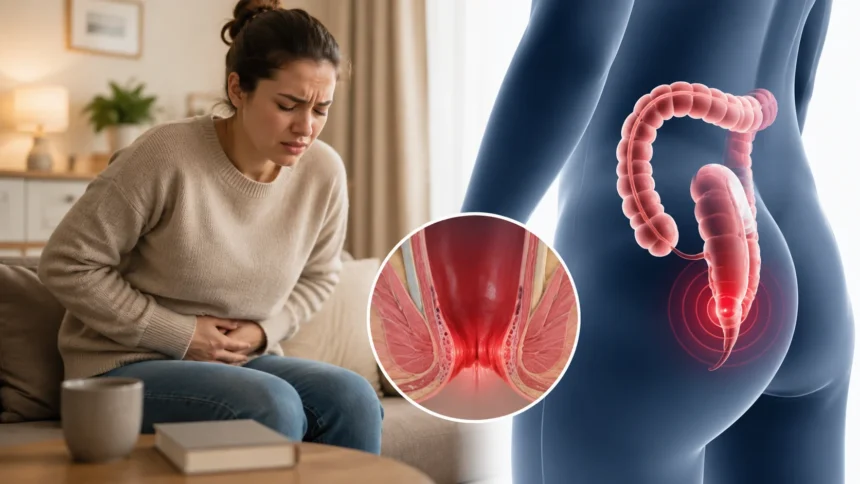
Proctalgia Fugax Causes, Symptoms & Treatment
Proctalgia fugax is a condition that causes sudden, intense episodes of pain in or around the anus or lower rectum. The pain typically arrives without warning, may feel sharp, stabbing, squeezing, or spasm-like, and disappears almost as suddenly as it begins. Episodes are brief, generally lasting from a few seconds to less than 30 minutes, although the intensity can be significant enough to interrupt sleep, work, exercise, or other activities. Proctalgia fugax does not usually cause visible tissue damage, bleeding, or a persistent lump. Instead, researchers believe the discomfort may involve temporary spasms of the anal sphincter or pelvic floor muscles, altered nerve signaling, or a combination of these mechanisms.
Although proctalgia fugax is considered a benign functional anorectal pain disorder, it should not automatically be assumed to be the cause of every episode of anal pain. Hemorrhoids, anal fissures, infections, abscesses, inflammatory bowel disease, pelvic floor disorders, pudendal neuralgia, and other conditions can produce pain in the same general area. Because there is no single laboratory test that confirms proctalgia fugax, diagnosis usually depends on the characteristic short-lasting symptom pattern and exclusion of other causes. Treatment often focuses on reassurance, identifying possible triggers, warmth, relaxation, and symptom management, while prescription or procedural approaches may be considered for frequent or severe episodes. Understanding the typical pattern can help distinguish this condition from rectal pain that requires more urgent medical attention.
What Is Proctalgia Fugax?
Proctalgia fugax is classified as a functional anorectal pain syndrome, meaning that a person experiences genuine pain even though routine examination may not reveal a structural injury responsible for each attack. The word “proctalgia” refers to pain involving the anus or rectum, while “fugax” comes from a term meaning fleeting or brief. This name reflects the condition’s defining feature: sudden pain that resolves relatively quickly. Current descriptions generally define attacks as lasting seconds to less than 30 minutes. Between episodes, people usually feel completely normal and may have no tenderness or discomfort at all. This symptom-free interval distinguishes proctalgia fugax from many persistent anorectal disorders.
The pain usually feels as though it comes from the anal canal or immediately nearby rather than from high in the abdomen. Some people describe it as a sudden stabbing sensation, while others compare the experience with an intense muscle cramp or “charley horse” occurring inside the anus. The severity can vary considerably from one episode to another. A mild attack may cause only a few uncomfortable seconds, while a severe episode can force someone to stop walking, wake from sleep, or sit completely still until it passes. Despite the intensity, the pain usually leaves no visible wound afterward. This combination of severe sensation and rapid spontaneous resolution can be confusing and frightening when someone experiences it for the first time.
Proctalgia fugax appears to be relatively common, although many people never discuss their symptoms with a healthcare professional. Estimates summarized by Cleveland Clinic suggest that up to approximately 18% of the general population may experience episodes consistent with the disorder, but only a minority seek medical care. Embarrassment may partly explain this gap because people can feel uncomfortable discussing anal or rectal pain. Others may avoid medical evaluation because the attack has already disappeared by the time an appointment is possible. The brief nature of symptoms can make the condition seem unimportant even when episodes repeatedly disrupt sleep or daily activities.
Proctalgia fugax belongs to a broader group of disorders involving functional anorectal or pelvic pain. Rome-based classification systems distinguish it primarily according to the short duration of attacks. Pain lasting longer than 30 minutes raises greater consideration of levator ani syndrome or another chronic anorectal pain disorder rather than classic proctalgia fugax. This distinction matters because treatment evidence differs between conditions. Pelvic floor biofeedback, for example, has stronger evidence for levator ani syndrome than for proctalgia fugax. Someone with persistent aching for several hours should therefore not assume the same diagnosis simply because the discomfort occurs near the anus.
The condition is considered benign in the sense that it does not usually damage the anus or rectum or progress into cancer. Benign does not mean the symptoms are imaginary or insignificant. Sudden severe anal pain can produce considerable anxiety, especially before serious causes have been ruled out. People may begin avoiding travel, exercise, sexual activity, or certain foods because they fear another episode. Once a clinician confirms that the pattern fits proctalgia fugax and excludes important alternative diagnoses, reassurance itself can become a meaningful part of treatment. Knowing that the attack is temporary can reduce the fear that often makes an unexpected episode feel even more overwhelming.
Proctalgia Fugax Symptoms and What the Pain Feels Like
The primary symptom is sudden anal or lower rectal pain that begins unexpectedly and lasts for a short period. Cleveland Clinic describes typical episodes as lasting 30 minutes or less, with many resolving after only seconds or several minutes. The pain is often sharp rather than dull and may feel as if an internal muscle has suddenly tightened. Some people experience one or two attacks in an entire year, while others have clusters of episodes over days or weeks. Frequency can also change over time without an obvious explanation. Between attacks, there is usually no pain, which is one of the most useful clues separating proctalgia fugax from persistent anal disorders.
Pain intensity can range from uncomfortable to extremely severe. A strong episode may produce a gripping or stabbing sensation that makes concentrating on anything else difficult. People sometimes instinctively stand, change position, press the area, or rush to the bathroom even though a bowel movement may not actually be necessary. Unlike pain from some hemorrhoids or fissures, body position often does not consistently control the attack. An episode can begin while sitting at a desk, walking, resting in bed, or sleeping. Nighttime attacks can be particularly alarming because someone may wake abruptly with severe rectal pain and have no obvious explanation for what is happening.
Classic proctalgia fugax does not typically involve visible rectal bleeding, persistent drainage, a painful external lump, fever, or swelling around the anus. These additional symptoms make another diagnosis more likely and deserve medical evaluation. An anal fissure, for example, can produce sharp pain associated with bowel movements and sometimes bright-red bleeding. An abscess may cause persistent throbbing pain, tenderness, fever, or swelling rather than a few minutes of pain followed by complete relief. Hemorrhoids may produce bleeding, itching, swelling, or a palpable lump. Because several conditions occur in the same anatomical area, the absence or presence of accompanying symptoms can be extremely helpful when determining what is responsible.
Episodes sometimes appear around bowel movements, but defecation is not required for proctalgia fugax to occur. A person may experience the pain immediately before, during, or after passing stool, while another may have attacks unrelated to bowel activity. Sexual activity, menstruation, and stress are also reported triggers in some people. This variation means there is no single event that reliably causes every episode. Keeping a brief symptom diary can help identify patterns when attacks are frequent. Recording the time, duration, recent bowel movements, stress level, exercise, menstrual cycle, and other circumstances may reveal whether certain situations repeatedly precede symptoms.
A useful diagnostic clue is how completely the discomfort resolves. Someone with classic proctalgia fugax generally returns to normal after an attack without lingering pain for hours. If the rectal area remains sore, tender, swollen, or painful between episodes, another condition should be considered. Likewise, pain consistently lasting more than 30 minutes fits less well with the current definition of proctalgia fugax. Describing duration accurately therefore matters during medical evaluation. Instead of saying that pain occurs “sometimes,” note whether each attack lasts ten seconds, five minutes, half an hour, or several hours. That timing can significantly narrow the list of possible causes.
What Causes Proctalgia Fugax?
The exact cause of proctalgia fugax remains uncertain, and there is probably not one mechanism that explains every case. One leading explanation involves sudden involuntary contractions of the internal anal sphincter or other nearby pelvic floor muscles. These muscles normally help control continence and coordinate bowel movements. A brief uncontrolled contraction could produce the intense cramping sensation commonly reported during attacks. This explanation fits the way many patients describe the pain as an internal muscle spasm. However, because episodes are brief and unpredictable, recording the muscles while symptoms are actively occurring is difficult. Consequently, researchers have not identified one consistently measurable abnormality that appears in every patient.
Nerve activity may also contribute. The pudendal nerve and other pelvic nerves carry sensory information from the anus, rectum, genitals, and pelvic floor. Irritation or abnormal signaling involving these nerves could potentially produce sudden pain even without tissue injury. Cleveland Clinic includes pudendal nerve problems among mechanisms that may contribute to proctalgia fugax. This does not mean every person with proctalgia fugax has pudendal neuralgia, which is a separate pain disorder that often produces longer-lasting symptoms. Rather, nerve signaling may be one piece of a broader functional pelvic pain process in selected people.
Stress is frequently reported as a trigger, although this does not mean the condition is purely psychological. Stress can influence muscle tension, autonomic nervous-system activity, bowel motility, pain sensitivity, and pelvic floor behavior. Someone who unconsciously tightens pelvic muscles during periods of anxiety could theoretically become more susceptible to painful spasms. Proctalgia fugax has also been associated with anxiety disorders and irritable bowel syndrome in observational descriptions. These associations do not prove that anxiety causes the disorder, but they help explain why relaxation, counseling, and treatment of broader stress responses can sometimes be included in a management plan.
Some people notice episodes after bowel movements, sexual activity, or during menstruation. These circumstances can temporarily change pelvic floor muscle activity and sensory stimulation, potentially triggering a spasm in susceptible individuals. Others experience attacks without any identifiable trigger despite carefully monitoring diet and activity. The absence of a trigger does not mean that someone has failed to identify the “correct” food or behavior. Functional pain disorders can occur unpredictably because multiple neurological and muscular processes interact. Extremely restrictive diets or avoiding normal activities rarely makes sense unless a clear reproducible relationship has been established.
Pelvic or anorectal procedures have occasionally been associated with proctalgia fugax as well. Cleveland Clinic notes reports after hemorrhoid sclerotherapy and vaginal hysterectomy, suggesting that changes involving pelvic nerves or muscle responses may contribute in some cases. This does not mean those procedures commonly cause chronic rectal pain, and most people undergoing them will not develop proctalgia fugax. Medical history still matters when symptoms begin shortly after pelvic surgery or treatment. A clinician may want to ensure that postoperative complications, infection, or structural problems have been excluded before labeling unexplained pain as a functional syndrome.
Proctalgia Fugax vs Levator Ani Syndrome and Other Rectal Pain
Proctalgia fugax and levator ani syndrome are both functional anorectal pain disorders, but the duration and character of pain are different. Proctalgia fugax usually produces sudden sharp attacks lasting less than 30 minutes. Levator ani syndrome more often causes prolonged dull, aching, or pressure-like pain that lasts at least 30 minutes and may continue much longer. The discomfort from levator ani syndrome is often felt higher in the rectum or pelvis and can become worse while sitting. Digital rectal examination may reveal tenderness when the levator or puborectalis muscle is pressed. These distinctions help clinicians classify functional anorectal pain more accurately.
An anal fissure creates a different pattern. A fissure is a small tear in the lining of the anus and commonly causes sharp or burning pain during and after a bowel movement. Bright-red blood may appear on toilet paper or the outside of stool. Pain can persist for minutes or hours after defecation rather than appearing unpredictably for a few seconds. Constipation and passing hard stools are common contributing factors. Because the pain can be intense and involve sphincter spasm, people sometimes mistake fissures for proctalgia fugax. A physical examination can often identify the tear, making fissure pain a structural disorder rather than a functional pain syndrome.
Hemorrhoids can also cause anal discomfort but commonly produce additional visible or palpable findings. Internal hemorrhoids frequently cause painless bright-red bleeding, while external hemorrhoids can itch, swell, or become tender. A thrombosed external hemorrhoid may produce sudden severe pain and a firm lump near the anal opening. Unlike proctalgia fugax, that discomfort usually persists rather than disappearing completely after several minutes. Someone who feels a new painful lump should therefore not assume it represents a muscle spasm. Examination can distinguish swollen veins from fissures, abscesses, and functional pain. This matters because treatment differs significantly according to the underlying problem.
A perianal abscess is another important condition to distinguish because it can require urgent drainage. An abscess forms when an anal gland or surrounding tissue becomes infected and fills with pus. Pain is generally persistent, throbbing, and progressively worse rather than fleeting. Swelling, tenderness, redness, fever, chills, or drainage can occur, although deeper abscesses may not produce a visible lump immediately. Waiting for severe abscess pain to disappear like proctalgia fugax can allow infection to worsen. Persistent anal pain accompanied by systemic illness deserves prompt medical evaluation, especially in someone with diabetes or significant immune suppression.
Other possible causes include inflammatory bowel disease, rectal ulcers, sexually transmitted infections, pelvic inflammatory disease, anal cancer, pudendal neuralgia, coccyx disorders, and pelvic floor dysfunction. Most people with brief anal spasms will not have a dangerous disease, but these possibilities explain why proctalgia fugax is considered a diagnosis of exclusion. A clinician does not need to perform every possible test on every patient; instead, history and examination determine which alternatives are realistic. Persistent bleeding, unexplained weight loss, a new mass, ongoing bowel changes, or progressive pain makes investigation particularly important.
How Proctalgia Fugax Is Diagnosed
There is no specific blood test, scan, or biopsy that confirms proctalgia fugax. Diagnosis begins with the characteristic history: recurrent episodes of sudden rectal or anal pain that last no more than about 30 minutes and disappear completely between attacks. A clinician will ask what the pain feels like, where it seems to originate, how frequently it occurs, and whether bowel movements or other events trigger it. The duration of each episode is particularly important because longer-lasting pain fits other functional anorectal syndromes more closely. The diagnostic process therefore depends heavily on the patient’s description rather than capturing an episode during the appointment.
A physical examination may include inspection of the anus and surrounding skin followed by a digital rectal examination when appropriate. The clinician looks for fissures, hemorrhoids, masses, infection, tenderness, pelvic floor abnormalities, or another structural explanation for pain. Because people with proctalgia fugax often feel completely normal between attacks, the examination may reveal nothing unusual. That normal finding can support the diagnosis after more common causes have been considered. It does not mean the pain is imagined. Functional disorders are defined partly by abnormal function or sensation that can occur without obvious tissue damage visible during routine examination.
Additional testing depends on age, symptoms, medical history, and examination findings. Cleveland Clinic notes that possible tests can include blood work, flexible sigmoidoscopy, colonoscopy, pelvic examination, or pelvic floor assessment when clinicians need to exclude other conditions. Someone with classic five-minute attacks and no bleeding may require far less investigation than someone with new rectal pain, weight loss, altered bowel habits, and bleeding. Diagnostic testing should therefore be targeted rather than performed identically in every patient. The objective is to obtain reasonable confidence that no structural or inflammatory disorder better explains the symptoms.
A symptom diary can be particularly useful before an appointment because proctalgia fugax often cannot be observed directly. Record the start and end time of several episodes rather than estimating how long they “felt.” Intense pain can make five minutes seem considerably longer. Also note bowel movements, constipation, diarrhea, menstruation, sexual activity, exercise, stress, and other possible triggers. If bleeding occurs, document whether it is bright red, dark, mixed with stool, or only visible on paper. These details help clinicians determine whether the pattern truly fits fleeting functional anorectal pain or whether another diagnosis deserves greater investigation.
Patients should also provide a full history of gastrointestinal and pelvic conditions. Previous hemorrhoids, fissures, colorectal surgery, pelvic surgery, childbirth injuries, inflammatory bowel disease, endometriosis, pelvic floor dysfunction, and neurological conditions may all influence the evaluation. Medication history can matter when constipation or diarrhea contributes to symptoms. Sexual-health information may also be relevant when infection is possible. Discussing anal symptoms can feel embarrassing, but accurate information substantially improves diagnostic decisions. Healthcare professionals routinely evaluate bowel and pelvic problems, and withholding important details can make a straightforward diagnosis more difficult than necessary.
Proctalgia Fugax Treatment Options
Treatment depends largely on how frequently attacks occur and how disruptive they are. Because individual episodes are usually very short, the pain may disappear before a medication has enough time to take effect. For people who experience only occasional attacks lasting a few seconds or minutes, reassurance and understanding the benign nature of the condition may be the most practical management. An evidence-based review found that reassurance and careful counseling remain central to treatment because high-quality evidence for specific therapies is limited. Someone who knows an attack will pass may be able to respond more calmly than someone who fears each sudden episode represents internal injury or cancer.
Warmth is one of the simplest approaches used during an attack. Sitting in a warm bath or sitz bath may encourage pelvic muscles to relax and can provide comfort while the episode resolves. A heating pad applied externally at a safe temperature may offer similar relief for some people. Cleveland Clinic also lists cold packs as a possible home strategy, indicating that individual preference varies. Relaxation techniques, slow breathing, meditation, or gentle pelvic relaxation may also help when stress and involuntary muscle tension contribute. None of these approaches should involve inserting objects or aggressively stretching the anus during severe unexplained pain.
Prescription treatments may be considered when episodes are frequent, severe, or long enough that intervention is practical. Topical nitroglycerin has sometimes been used with the aim of relaxing the anal sphincter, although headaches and blood-pressure effects can limit tolerability. Earlier evidence reviews have also discussed topical diltiazem and other smooth-muscle-relaxing strategies. Cleveland Clinic lists topical nitroglycerin among possible treatments offered by healthcare professionals. These medications should be used under medical supervision because the correct diagnosis needs to be established and cardiovascular medications or low blood pressure can influence safety.
Inhaled salbutamol, called albuterol in the United States, has been studied as an acute treatment. A small randomized double-blind crossover trial involving 18 patients found that inhaled salbutamol shortened severe pain episodes compared with placebo, with the largest effect among people experiencing longer attacks. The evidence base is small and old, so salbutamol is not a universal standard treatment for everyone with rectal pain. It also has potential side effects such as tremor or rapid heartbeat. Someone should not borrow another person’s inhaler or begin using asthma medication for anal pain without discussing it with a clinician.
Other options described for difficult cases include botulinum toxin injections, electrical stimulation, pelvic floor physical therapy, and biofeedback. Cleveland Clinic lists these approaches among treatments that may be considered when simpler measures are insufficient. Evidence remains stronger for pelvic floor biofeedback in levator ani syndrome than in classic proctalgia fugax, and a modern review emphasizes that treatment outcomes for proctalgia fugax remain modest. Treatment should therefore be proportional to symptom burden. Someone with two ten-second attacks per year usually does not need invasive treatment, whereas recurrent episodes significantly disrupting quality of life may justify specialist evaluation.
Home Remedies and Ways to Manage an Episode
When a familiar episode begins, the first step is often to remind yourself that confirmed proctalgia fugax is temporary. Sudden severe pain naturally triggers alarm, which can increase general muscle tension and make the experience feel even more intense. Slow breathing and consciously relaxing the buttocks, abdomen, and pelvic floor may reduce this additional tension. Some people find lying on their side helpful, while others prefer standing or sitting in a warm bath. There is no single body position proven to stop every episode. The goal is to remain as comfortable as possible until the spasm resolves rather than repeatedly changing position in panic.
A warm sitz bath is a practical home option because warmth can promote relaxation and soothe the anorectal area. The water should feel comfortably warm rather than hot enough to irritate or burn sensitive skin. Sitting for several minutes may be enough because many attacks end naturally during that period. A heating pad can be used externally if a bath is inconvenient, but a barrier should separate it from bare skin and prolonged high heat should be avoided. Cleveland Clinic includes warm baths and heat or cold applications among home approaches used for symptom relief. These strategies are intended for previously evaluated functional pain, not unexplained persistent rectal pain.
Managing constipation may be useful when bowel movements appear to trigger episodes or when straining creates additional pelvic floor tension. Adequate dietary fiber, fluids, physical activity, and appropriate constipation treatment can help keep stools easier to pass. Fiber should be increased gradually because sudden large increases can produce gas and discomfort. Someone with chronic constipation, significant straining, or difficulty relaxing during defecation may have pelvic floor dysfunction requiring more specific treatment. Proctalgia fugax and defecatory disorders can coexist, so improving bowel habits may reduce one potential source of pelvic stress without necessarily eliminating every spontaneous attack.
Stress management can be useful when episodes appear during particularly anxious periods. This does not require assuming that the pain is psychological or that someone can simply “think it away.” Stress produces real changes in autonomic nervous activity, muscle tension, bowel function, and pain processing. Regular exercise, adequate sleep, relaxation practices, counseling, or treatment of an anxiety disorder may reduce the broader physiological conditions that make attacks more likely for some individuals. Cleveland Clinic includes counseling among potential management options when stress or anxiety contributes to symptoms. The most useful approach is treating meaningful stress while avoiding the belief that every episode represents a personal failure to remain calm.
Avoid making major dietary restrictions unless repeated observation shows that a particular food reliably triggers symptoms. Proctalgia fugax is not primarily considered a food intolerance, and there is no standard “proctalgia diet” supported by strong evidence. People sometimes remove spicy foods, dairy, gluten, caffeine, and numerous other items simultaneously because rectal pain feels gastrointestinal in origin. Excessive restriction can reduce nutritional variety without identifying the true trigger. If attacks repeatedly follow diarrhea, constipation, or an IBS flare, managing the underlying bowel pattern may be more logical. A symptom diary provides a better basis for decisions than randomly eliminating several food groups after one painful episode.
When to See a Doctor and What to Expect Long Term
Recurring anal pain should be discussed with a healthcare professional, especially before assuming that proctalgia fugax is responsible. Cleveland Clinic recommends evaluation for recurrent episodes or pain that persists. A first episode can be difficult to interpret because several conditions produce pain in the same region. Once examination has excluded fissures, hemorrhoids, abscesses, masses, inflammatory disease, and other problems, future brief attacks may become easier to recognize. Diagnosis can provide reassurance and also establish a plan for what to do when symptoms return. Embarrassment should not prevent someone from receiving an appropriate anorectal examination.
Seek more prompt care if anal pain is persistent rather than fleeting, particularly when it becomes progressively worse. Constant throbbing pain, visible swelling, fever, chills, or pus-like drainage can suggest an abscess or infection. Significant rectal bleeding also falls outside the usual proctalgia fugax pattern and deserves evaluation. A small amount of bright-red blood can have a relatively common explanation such as hemorrhoids or a fissure, but recurrent bleeding should still be identified properly. Black or tar-like stool can indicate bleeding higher in the gastrointestinal tract and requires a different level of concern. Proctalgia fugax itself should not be used to explain unexplained bleeding.
Unexplained weight loss, persistent changes in bowel habits, anemia, a new rectal mass, or pain that steadily worsens over weeks are additional reasons for medical assessment. These features do not automatically indicate cancer, but they make it inappropriate to assume a benign functional pain syndrome without further evaluation. Cleveland Clinic lists anal cancer, inflammatory bowel disease, rectal ulcers, and other structural conditions among disorders clinicians may exclude during diagnosis. Age, family history, previous colorectal disease, and screening history may influence whether colonoscopy or another investigation is recommended. The diagnostic process should match the individual’s overall risk profile rather than focusing on one symptom in isolation.
For people with confirmed proctalgia fugax, the long-term outlook is generally favorable from a physical health perspective. The condition does not normally cause tissue destruction or evolve into a more dangerous anorectal disease. Frequency is unpredictable: some people have a few attacks and never experience another, while others develop intermittent episodes over many years. Because attacks are brief, the greatest long-term burden may be anxiety and disruption rather than physical damage. Developing a clear symptom-management plan can therefore make the condition much easier to live with even when complete prevention is not possible.
The treatment goal should match the severity of the problem. Someone experiencing rare ten-second spasms may need little more than reassurance and awareness of warning signs that suggest another diagnosis. Someone experiencing several severe episodes every week may reasonably pursue pelvic floor evaluation, prescription treatment, or colorectal and gastroenterology consultation. Evidence for many proctalgia fugax treatments remains limited, and modern reviews emphasize that management can be challenging. This makes individualized care particularly important. The best strategy is usually the least invasive approach that provides enough relief while ensuring that persistent or changing symptoms are not incorrectly attributed to a previously diagnosed functional pain condition.
Frequently Asked Questions About Proctalgia Fugax
What does proctalgia fugax feel like?
Proctalgia fugax usually feels like a sudden sharp, stabbing, squeezing, or severe cramp inside or near the anus. The pain generally lasts from seconds to less than 30 minutes and disappears completely between episodes.
What causes proctalgia fugax?
The exact cause is not known, but temporary spasms of the anal sphincter or pelvic floor muscles and altered pelvic nerve signaling are leading possibilities. Stress, bowel movements, sex, and menstruation appear to trigger attacks in some people, while many episodes occur without an identifiable trigger.
How is proctalgia fugax different from levator ani syndrome?
Proctalgia fugax produces brief attacks lasting less than about 30 minutes, whereas levator ani syndrome usually causes longer-lasting dull or aching rectal or pelvic pain and may be worse while sitting. Levator ani syndrome can also cause characteristic pelvic floor tenderness during rectal examination.
How do you stop proctalgia fugax pain?
Because attacks are often extremely brief, they may stop before medication can work. Warm sitz baths, heat, relaxation, and reassurance may help, while people with frequent severe episodes can discuss prescription topical medicines, pelvic floor therapy, or other specialist treatments with a healthcare professional.
When should rectal pain be checked by a doctor?
Seek medical evaluation when rectal pain is recurrent, lasts longer than the typical brief proctalgia fugax episode, or occurs with bleeding, fever, swelling, drainage, a lump, unexplained weight loss, or persistent bowel changes. These features can indicate hemorrhoids, fissures, infection, an abscess, inflammatory disease, or another condition that requires different treatment.