

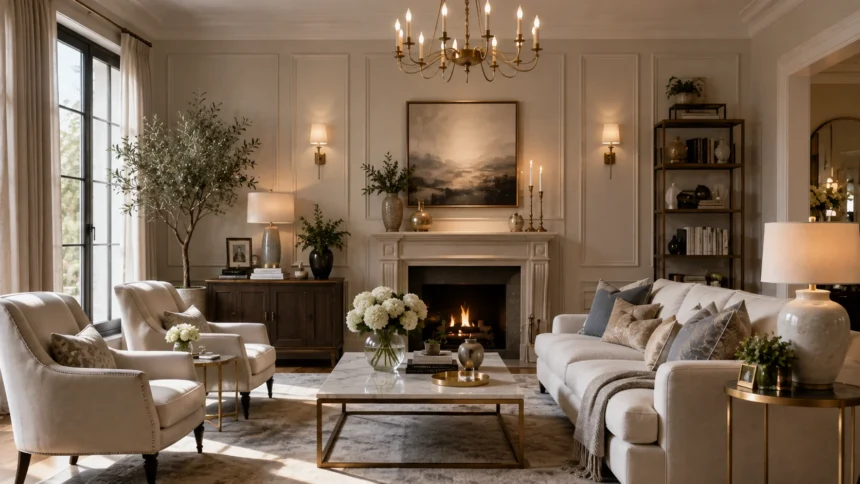
Elegant Home Decor Ideas for a Timeless Interior
Elegant home decor is less about following every trend and more about creating a space that feels refined, balanced, and comfortable over time. A timeless interior usually combines classic proportions, quality materials, thoughtful lighting, and a restrained color palette that does not become outdated quickly. The result is a home that feels polished without appearing overly formal or staged.
A sophisticated interior also depends on how individual elements work together. Furniture, textiles, artwork, lighting, and decorative accessories should support one another rather than compete for attention. When a room has a clear visual hierarchy, it feels calmer and more intentional. This sense of order is one of the defining characteristics of elegant interior design.
The good news is that you do not need a huge renovation budget to achieve a more luxurious look. Small changes such as upgrading curtains, improving lighting, choosing better furniture proportions, or reducing clutter can make a noticeable difference. Elegant spaces often look expensive because they are carefully edited rather than because every item costs a lot.
If you are looking for elegant home decor ideas for a timeless interior, focus on quality, simplicity, and consistency. Choose pieces you genuinely enjoy, avoid overcrowding, and build the room gradually. A timeless home should feel personal and lived-in while still maintaining the calm, refined atmosphere associated with classic design.
Start With a Timeless Neutral Color Palette
A neutral color palette creates a flexible foundation for elegant decorating because it allows furniture, art, and architectural details to stand out without overwhelming the room. Shades such as warm white, ivory, taupe, beige, soft gray, and muted greige can make interiors feel calm and sophisticated. These colors also work well with a wide range of furniture styles and materials.
Instead of using only one neutral shade, combine several closely related tones to add depth. A cream sofa, warm beige rug, pale walls, and natural wood furniture can create a layered look without making the room feel busy. Subtle variation prevents neutral spaces from appearing flat while maintaining a polished overall appearance.
The undertone of each color matters as much as the shade itself. Warm neutrals can create a more welcoming and traditional atmosphere, while cooler neutrals often feel crisp and contemporary. Before painting a room, test samples at different times of day because natural and artificial lighting can significantly change how a color appears.
Accent colors can still be included, but they should feel deliberate. Deep blue, forest green, burgundy, muted gold, or soft terracotta can add personality without dominating the space. Using these colors in cushions, artwork, or decorative objects makes them easy to update while keeping the main interior timeless.
Choose Quality Furniture With Classic Shapes
Furniture has a major influence on whether a room feels timeless or trend-driven. Pieces with clean lines, balanced proportions, and classic silhouettes are usually easier to keep for many years. Sofas with simple arms, well-shaped dining chairs, and understated wooden tables can adapt to changing decor more successfully than highly fashionable statement pieces.
Quality construction also matters. A well-made sofa or dining table may cost more initially, but it can often outlast cheaper alternatives and maintain its appearance longer. Look for sturdy frames, durable upholstery, solid joinery, and finishes that can handle everyday use. Long-lasting furniture supports both elegance and practicality.
Scale should be considered carefully as well. Oversized furniture can make a room feel crowded, while pieces that are too small may make the space feel unfinished. Measure the room before buying and think about circulation around each item. A well-proportioned layout immediately creates a more composed and luxurious atmosphere.
Mixing old and new furniture can also create character. A modern sofa paired with an antique side table or a vintage cabinet can make the room feel collected over time. This layered approach often looks more authentic than buying a completely matching furniture set from one store.
Add Architectural Details for Instant Elegance
Architectural details can dramatically improve the character of an interior because they create depth and visual structure. Wall molding, paneling, ceiling trim, archways, and decorative cornices can make even a simple room feel more established. These features are especially effective in neutral spaces where subtle texture becomes more noticeable.
Wall molding is one of the most accessible ways to create a classic look. Simple rectangular panels can frame artwork, define a dining area, or add interest behind a bed. Painting the molding the same color as the wall creates a sophisticated tone-on-tone effect that feels modern while still referencing traditional interiors.
Built-in shelving and cabinetry can also make a home feel more refined. Custom-looking storage creates a sense of permanence and helps reduce visual clutter. Even affordable shelving can appear more architectural when it is carefully fitted, painted to match the walls, and styled with a balanced selection of books and decorative objects.
If permanent changes are not possible, you can achieve a similar effect through decorative screens, tall curtains, framed mirrors, or carefully arranged artwork. The goal is to create visual structure and emphasize the proportions of the room. Architectural character does not always require major construction.
Layer Lighting for a Warm and Luxurious Atmosphere
Lighting plays an essential role in elegant interior design because it affects color, mood, and how architectural details are perceived. Relying on a single ceiling light often creates a flat or overly bright atmosphere. A more sophisticated room usually combines ambient, task, and accent lighting.
Ambient lighting provides general illumination and may come from chandeliers, pendants, or recessed fixtures. Task lighting supports practical activities through table lamps, floor lamps, or reading lights. Accent lighting highlights artwork, shelves, or architectural features and adds another layer of depth to the room.
The design of the fixtures matters as well. Brass, bronze, glass, ceramic, or sculptural lighting can function almost like jewelry within a space. You do not need every fixture to match exactly, but they should feel connected through material, finish, or overall design language.
Warm light temperatures generally create a more inviting atmosphere in living rooms, bedrooms, and dining areas. Dimmers are especially useful because they allow the mood to change throughout the day. Soft evening lighting can make even a simple room feel significantly more luxurious.
Use Natural Materials to Create Lasting Beauty
Natural materials have remained popular across many design periods because they age gracefully and develop character. Wood, stone, linen, wool, leather, marble, and woven fibers can make interiors feel rich without depending on temporary trends. Their natural variation also adds visual interest that synthetic materials often struggle to replicate.
Wood is particularly versatile and can work in traditional, transitional, minimalist, and modern homes. Oak, walnut, and other warm finishes can make a room feel grounded and comfortable. Mixing wood tones is completely acceptable when the finishes share a similar warmth or are balanced intentionally.
Stone can add a sense of permanence and luxury. Marble countertops, travertine tables, limestone accessories, or even small stone trays can introduce beautiful texture. If natural stone is outside your budget, high-quality alternatives can still create a refined effect when used carefully.
Textiles made from natural fibers also help soften hard surfaces. Linen curtains, wool rugs, cotton bedding, and woven baskets add warmth and tactile interest. These materials contribute to the layered feeling that makes timeless interiors look comfortable rather than overly polished.
Invest in Elegant Window Treatments
Window treatments are often underestimated, yet they can completely change the proportions and atmosphere of a room. Full-length curtains instantly make a space feel more finished, while inexpensive or poorly fitted window coverings can make even attractive furniture look less refined.
Hanging curtains close to the ceiling can visually increase height and make windows appear larger. The fabric should usually extend to the floor rather than stopping awkwardly above it. Generous fabric volume also creates a softer and more luxurious look compared with narrow curtain panels.
Linen blends, velvet, cotton, and textured fabrics can all work well depending on the style of the room. Neutral curtains are especially versatile because they frame the view without competing with other design elements. Subtle patterns can also work if the rest of the room is relatively restrained.
Layering curtains with blinds or shades provides both function and visual depth. Natural woven shades can add texture, while Roman shades create a tailored appearance. Combining practical light control with decorative curtains gives windows a more complete and thoughtfully designed look.
Create a Balanced Furniture Layout
Furniture arrangement has a strong effect on how elegant a room feels. Even expensive furniture can look awkward if the layout lacks balance or makes movement difficult. Start by identifying the focal point of the room, which might be a fireplace, large window, artwork, or media wall.
Arrange the main furniture pieces so they support conversation and circulation. In living rooms, seating should feel connected rather than pushed automatically against every wall. Bringing furniture slightly inward can create a more intimate arrangement and make the space feel intentionally designed.
Symmetry can be useful for creating a sense of order. Matching lamps on either side of a console or two chairs positioned opposite a sofa can produce a calm, formal feeling. However, perfect symmetry is not necessary everywhere; a combination of balanced and slightly asymmetrical elements often feels more natural.
Leave enough breathing room around furniture. Overcrowding makes a room feel smaller and less luxurious because the eye has no space to rest. Elegant interiors are usually edited carefully so every major item has a clear purpose and enough room to be appreciated.
Use Statement Lighting as a Focal Point
A well-chosen chandelier or pendant can become one of the strongest visual features in a room. Statement lighting draws the eye upward and can help define areas such as dining tables, kitchen islands, entryways, and seating arrangements. It adds personality without requiring many additional decorative elements.
The fixture should suit the scale of the room. A tiny pendant over a large table may look insignificant, while an oversized chandelier can overwhelm a compact space. Measure carefully and consider both width and hanging height before installing the fixture.
Materials can help connect statement lighting with the rest of the decor. A brass chandelier may complement warm wood and neutral fabrics, while black metal can create a stronger contemporary contrast. Glass or crystal can add sparkle without introducing another dominant color.
Statement lighting works best when surrounding fixtures are quieter. If every lamp or pendant tries to become the main attraction, the room can feel visually chaotic. Choose one or two focal fixtures and allow the rest of the lighting to support them.
Decorate With Large-Scale Artwork
Artwork gives a room personality and can create an immediate sense of sophistication. One large piece often looks more intentional than many small unrelated pictures, especially above a sofa, bed, console table, or fireplace. Large artwork also helps anchor furniture and gives the room a clear focal point.
The artwork does not need to match the room exactly. In fact, a slight contrast in color or style can make the interior more interesting. The most important factor is that the piece feels meaningful and works with the overall scale and mood of the space.
Frames can influence the final appearance significantly. Simple black, wood, brass, or white frames can make inexpensive prints look more polished. Consistency between several frames can create unity, while varied antique-style frames can work beautifully in more traditional interiors.
Personal art is often more timeless than decor purchased simply to match a trend. Photography, original paintings, travel prints, or family pieces can give the room emotional value. A home feels more elegant when it reflects the people living there rather than resembling a showroom.
Incorporate Mirrors to Add Light and Depth
Mirrors are both decorative and functional because they reflect light and make spaces appear larger. A strategically placed mirror opposite or near a window can brighten a dark room and create a greater sense of openness. This makes mirrors particularly useful in hallways, dining rooms, and smaller living areas.
Large mirrors tend to create a stronger impact than several small ones. An oversized mirror leaning against a wall can add relaxed elegance, while a framed mirror above a console creates a more formal composition. The style of the frame can reinforce the overall design direction.
Antique brass, dark wood, black metal, and simple frameless designs can all work beautifully depending on the interior. Ornate mirrors can add character to minimalist spaces, while cleaner designs balance traditional furniture. Mixing styles carefully can make the room feel collected rather than predictable.
Mirrors should reflect something attractive whenever possible. Positioning one directly opposite clutter or an unattractive doorway can emphasize the wrong feature. Consider the view in the reflection before choosing the final location.
Introduce Texture Through Fabrics and Accessories
Texture prevents elegant neutral interiors from feeling cold or unfinished. Different surfaces catch light in different ways, creating visual richness even when the color palette remains simple. Velvet, linen, boucle, wool, leather, silk, and woven materials can all contribute to a layered interior.
Cushions and throws are an easy place to experiment. Instead of using several identical pillows, combine different textures while keeping the colors related. A velvet cushion beside linen and embroidered fabrics can create interest without making the seating look overly busy.
Rugs are another important source of texture. Wool, jute, patterned flatweaves, and soft pile rugs can define zones and make large rooms feel more comfortable. The rug should generally be large enough to connect the main furniture pieces rather than floating alone in the center.
Decorative objects can continue the layering through ceramic, glass, metal, wood, and stone. Mixing materials creates depth, but editing remains important. Choose fewer objects with stronger shapes and finishes rather than filling every surface with small accessories.
Style Shelves With Restraint
Shelves can easily become cluttered because they encourage people to display too many small items. Elegant shelf styling usually relies on negative space, varied heights, and a limited selection of meaningful objects. Every shelf does not need to be completely filled.
Books provide both color and structure and can be arranged vertically or stacked horizontally. A small decorative object placed on top of a book stack can create a layered composition. Avoid turning every book backward simply for appearance if you actually want to use and enjoy the collection.
Mix books with ceramics, framed photographs, small artwork, bowls, or natural elements. Varying the shapes creates visual interest while repeating one or two materials can maintain consistency. For example, several pieces of dark wood or aged brass can help connect separate shelves.
Stand back regularly while styling and remove anything that feels unnecessary. Editing is often what transforms a shelf from busy to sophisticated. A few carefully chosen pieces will usually look more expensive than dozens of unrelated accessories.
Add Fresh Greenery and Natural Elements
Plants and greenery introduce life into elegant interiors and soften rooms filled with furniture and hard surfaces. Large leafy plants can make empty corners feel intentional, while smaller arrangements add freshness to tables and shelves. Natural shapes also create a pleasing contrast with straight architectural lines.
Fresh branches can be especially striking because they provide height and movement without requiring complicated floral arrangements. A tall vase filled with seasonal branches can become an elegant centerpiece on a dining table, kitchen island, or console.
If maintaining live plants is difficult, high-quality artificial greenery can still work when chosen carefully. Look for realistic shapes and natural-looking colors rather than overly glossy leaves. Keeping arrangements simple generally makes them look more convincing.
Other natural elements such as bowls of fruit, driftwood, shells, stones, or dried botanicals can also add organic texture. The key is to use them sparingly so the room feels connected with nature rather than themed around it.
Choose Rugs That Properly Fit the Room
An undersized rug is one of the quickest ways to make a room feel visually disconnected. In a living room, the rug should usually be large enough for at least the front legs of major seating pieces to rest on it. This connects the furniture and defines the conversation area.
In dining rooms, the rug should extend beyond the table so chairs remain on it when pulled out. Bedrooms often look more balanced when the rug extends beyond the sides and foot of the bed. Proper scale immediately gives these spaces a more generous and polished appearance.
When selecting color and pattern, consider how much visual activity already exists in the room. A patterned rug can create a focal point in a neutral space, while a simple textured rug may be better when furniture and artwork already provide strong visual interest.
Quality matters because rugs receive significant wear. Wool and other durable fibers can age beautifully when maintained properly. If budget is limited, choosing a simpler large rug is often more effective than purchasing a smaller luxury rug that does not suit the scale of the space.
Use Metallic Finishes Carefully
Metallic accents can add subtle glamour to an interior when they are used with restraint. Brass, bronze, chrome, nickel, and blackened metal can appear in lighting, furniture legs, mirrors, hardware, and decorative objects. These finishes catch light and help break up large areas of wood or fabric.
You do not need to use exactly one metal throughout the entire home. Mixing two compatible finishes can create a more layered and less predictable appearance. For example, warm brass can work alongside black metal, while polished nickel may pair nicely with softer antique silver.
The key is repetition. A single isolated metallic object can feel accidental, but repeating the finish in two or three places creates visual continuity. A brass lamp, cabinet handle, and mirror frame can subtly connect different parts of the room.
Avoid adding metallic finishes to every surface. Too much shine can make a room feel overly glamorous or temporary. Elegant interiors usually treat metal as an accent rather than the dominant material.
Mix Traditional and Modern Elements
Timeless interiors rarely belong entirely to one design period. Combining traditional and modern elements can prevent a room from feeling either outdated or overly trendy. The contrast between classic shapes and contemporary simplicity often creates a sophisticated transitional style.
For example, a traditional wooden dining table can look fresh when paired with modern upholstered chairs. A contemporary sofa may sit comfortably beside an antique chest or vintage mirror. These combinations create character and give the impression that the home has developed gradually over time.
Balance is important when mixing styles. If almost everything is modern, one traditional piece can become an interesting focal point. If the room contains many ornate details, simpler furniture can prevent the overall effect from becoming too heavy.
Color and material can help unify pieces from different periods. Repeating similar wood tones, fabrics, or metal finishes creates a visual connection even when the furniture styles differ. This allows the room to feel cohesive without relying on matching sets.
Use Decorative Objects With Intention
Elegant interiors tend to include fewer, more meaningful decorative objects. Instead of covering every table and shelf, choose accessories that have interesting shapes, materials, or personal significance. This creates visual impact without making the room feel cluttered.
Books, trays, bowls, sculptures, candles, and decorative boxes can all work well when grouped thoughtfully. Odd-numbered arrangements often feel natural, while varying heights helps create movement. Keeping some empty space around the objects allows each piece to stand out.
Personal items such as travel souvenirs, inherited pieces, or handcrafted objects can make the interior feel more authentic. These elements give the home a story and prevent it from looking like a collection of items purchased solely for decoration.
Rotate accessories occasionally rather than displaying everything at once. Changing a few objects seasonally can refresh the room without requiring major purchases. This is also an effective way to appreciate items that might otherwise disappear within visual clutter.
Keep Clutter Under Control
Clutter can quickly undermine an elegant interior because it distracts from the furniture, architecture, and decorative details. Clear surfaces and organized storage create a sense of calm and make each design choice more visible. This does not mean the home needs to feel empty or overly minimal.
Start by identifying items that do not need to remain on display. Remote controls, chargers, paperwork, children’s items, and everyday accessories can often be stored in drawers, baskets, boxes, or cabinets. Attractive storage allows the room to remain practical without sacrificing appearance.
Furniture with built-in storage is especially useful in smaller homes. Ottomans, benches, media consoles, and bedside tables can hide frequently used items while keeping them accessible. Closed storage is often essential for creating a clean visual foundation.
Regular editing is equally important. As new items enter the home, older ones may need to be removed, donated, or stored elsewhere. Maintaining an elegant space is an ongoing process rather than something completed after one decorating project.
Create a Sophisticated Entryway
The entryway sets the tone for the rest of the home and can create an immediate impression of elegance. Even a small entrance can feel intentional with a console table, mirror, lamp, artwork, or decorative bowl for everyday essentials.
A large mirror is especially effective because it reflects light and creates a stronger sense of space. Pair it with a narrow console to provide a practical landing spot without blocking circulation. If space allows, a small bench can add both comfort and visual balance.
Lighting should feel warm and inviting. A pendant or decorative table lamp can create a more welcoming atmosphere than harsh overhead lighting. The entrance is also an ideal place to introduce a subtle fragrance through candles or natural greenery.
Avoid allowing the entryway to become a storage area for shoes, bags, and mail. Closed baskets, drawers, and designated hooks can keep essentials organized. A tidy entrance reinforces the sense of calm that defines an elegant home.
Design an Elegant Living Room
An elegant living room should feel comfortable enough for daily life while still appearing visually balanced. Begin with the largest elements, such as the sofa, rug, and main lighting, before adding smaller decorative pieces. These major items establish the room’s scale and overall character.
Choose seating that encourages conversation. Sofas and chairs should feel connected rather than positioned only around a television. Adding a coffee table or upholstered ottoman can help anchor the center of the room and provide a practical surface.
Layering is particularly important in living rooms. Curtains, rugs, cushions, throws, lamps, artwork, and decorative objects all contribute to the finished appearance. The most successful rooms combine these elements gradually so the space feels rich without becoming overwhelming.
A limited color palette can help unify the layers. Repeating two or three main tones throughout the room creates visual continuity, while subtle changes in texture and material provide depth. This balance between repetition and variation is central to timeless design.
Create a Timeless Dining Room
A timeless dining room begins with a well-proportioned table that suits both the room and the number of people who typically use it. Wood is a classic choice because it brings warmth and can work with many different chair styles, finishes, and decorative directions.
Dining chairs can either match the table or create intentional contrast. Upholstered seating introduces softness and comfort, while wooden or woven chairs can feel more casual. Mixing different styles at the table ends can also create a collected and sophisticated effect.
Lighting above the table should be carefully scaled. A chandelier or pendant helps define the dining zone and provides an opportunity to add personality. The fixture should hang low enough to feel connected to the table without blocking views across it.
Keep the table styling relatively simple when it is not being used. A vase, bowl, candlesticks, or small arrangement can provide enough visual interest. Overdecorating the table can make everyday dining less practical and reduce the clean elegance of the room.
Make the Bedroom Feel Calm and Luxurious
The bedroom should feel quieter than other areas of the home, making restrained colors and soft materials especially effective. Neutral bedding, upholstered headboards, layered curtains, and warm lighting can create a comfortable atmosphere without depending on strong decorative themes.
High-quality bedding immediately improves both appearance and comfort. Crisp sheets, a generous duvet, layered pillows, and a throw at the foot of the bed can create a hotel-like effect. Keeping the color palette cohesive prevents the bedding from becoming visually chaotic.
Bedside lighting should provide enough illumination for reading while contributing to the overall atmosphere. Matching lamps create symmetry, while wall-mounted sconces can save space and add architectural interest. Dimmers are useful for adjusting the brightness before sleep.
Keep bedside surfaces relatively clear. A lamp, book, small tray, and perhaps one decorative object are usually enough. Limiting clutter supports the calm environment that makes a bedroom feel more elegant and restorative.
Bring Elegance Into the Kitchen
An elegant kitchen does not require a complete remodel. Small updates such as replacing cabinet hardware, improving lighting, simplifying countertop accessories, and introducing natural materials can create a more refined appearance without major construction.
Countertops should remain relatively clear so the materials and cabinetry can be appreciated. Everyday appliances may stay accessible if they are used frequently, but unnecessary packaging and decorative clutter can be stored away.
Hardware offers an easy opportunity to introduce character. Brass, nickel, bronze, or black handles can update cabinetry quickly. Choose a finish that connects with lighting fixtures or faucets to create visual continuity.
Wood cutting boards, ceramic containers, stone trays, and linen towels can add warmth to kitchens dominated by hard surfaces. These functional objects can also serve as decoration, helping the room feel styled without adding items that have no practical purpose.
Make the Bathroom Look More Refined
Bathrooms can feel elegant when the design is simple, coordinated, and well organized. Neutral tiles, clean lines, quality towels, and restrained accessories create a spa-like atmosphere that can remain attractive for many years.
Replacing builder-grade mirrors or lighting can make a noticeable difference. A framed mirror adds character, while wall sconces can provide more flattering and balanced illumination. Small upgrades often create a stronger visual impact than adding many decorative objects.
Store everyday toiletries in drawers, cabinets, or attractive containers so countertops remain calm. A small tray can group perfume, soap, or skincare products and make necessary items look intentional rather than scattered.
Soft textiles complete the room. Plush towels, a simple bath mat, and a quality shower curtain can make the space feel more comfortable. Small natural touches such as eucalyptus or a simple plant can add freshness without creating clutter.
Decorate With Books for a Collected Look
Books naturally make interiors feel lived-in and intellectual while adding color, texture, and personality. Coffee table books are especially useful because they create visual structure and can be combined with decorative objects on tables and consoles.
Bookshelves should reflect real interests rather than being arranged only for appearance. A collection feels more authentic when it includes titles you actually enjoy. This personal element helps timeless interiors feel warm rather than overly formal.
Arrange books in different orientations to create rhythm. Vertical rows can sit beside horizontal stacks, while small artwork or decorative objects break up larger groups. Leaving some empty space keeps the shelves from becoming visually heavy.
Book covers do not all need to match the room’s color scheme. Natural variation often makes a library or shelf more interesting. If a few covers feel especially distracting, they can be grouped or placed in less prominent areas rather than hiding every title.
Use Symmetry to Create Visual Order
Symmetry is a classic design tool because it creates immediate balance and calm. Matching lamps, chairs, artwork, or bedside tables can make a room feel more formal and intentional without requiring complicated styling.
Bedrooms are particularly suited to symmetry because the bed naturally creates a central focal point. Matching nightstands and lamps on each side provide balance and make the room feel more complete. The same principle works with sofas, fireplaces, and dining room consoles.
However, too much symmetry can make a home feel rigid. Introduce slight variation through accessories, plants, or artwork to prevent the space from appearing overly staged. A balanced room does not need every object to have an identical partner.
Use symmetry strategically around major focal points and allow more freedom elsewhere. This combination creates structure while keeping the home comfortable and personal.
Avoid Trends That Date a Room Quickly
Trends can make decorating exciting, but relying too heavily on them can make a home feel outdated within a few years. Large investments such as sofas, flooring, cabinets, and permanent finishes are usually safer in timeless colors and classic styles.
If you enjoy current trends, introduce them through smaller elements. Cushions, throws, artwork, lamps, and decorative accessories are easier and less expensive to replace. This allows the home to evolve without requiring major renovations.
Before purchasing a highly fashionable piece, ask whether you would still like it if it stopped appearing frequently on social media or in design magazines. This simple question can help distinguish genuine personal preference from temporary influence.
Timeless decorating does not mean avoiding every new idea. It means choosing trends selectively and integrating them into a strong foundation. A home should evolve naturally while maintaining its essential character.
Mix High and Low Decor for a Sophisticated Result
An elegant home does not require every item to be expensive. Mixing investment pieces with affordable finds often creates a more interesting and personal interior. The key is knowing where quality has the greatest impact.
Consider investing more in items you use every day, such as sofas, mattresses, dining tables, and quality lighting. Decorative accessories, side tables, cushions, and artwork can often come from more affordable sources without reducing the overall effect.
Vintage and secondhand pieces can be particularly valuable because they often provide better materials and more character than inexpensive new furniture. A vintage mirror or solid wood table can become a focal point while keeping the overall decorating budget manageable.
The final appearance depends more on coordination than price. When colors, proportions, and materials work together, inexpensive pieces can look sophisticated. Thoughtful styling is often what makes a room feel luxurious.
How to Make Elegant Decor Feel Personal
A timeless home should still reflect the people who live there. Personal photographs, inherited furniture, travel objects, handmade ceramics, books, and meaningful artwork can prevent an elegant room from feeling impersonal.
Display personal pieces selectively so they have space to be noticed. A family photograph in a beautiful frame may have more impact when placed alone on a console than when surrounded by many unrelated objects.
Do not worry if every meaningful item perfectly matches the design style. A slightly unexpected piece can add character and become a conversation starter. The contrast often makes the space feel more authentic.
The most memorable interiors balance polish with personality. Elegant decorating provides the structure, but meaningful objects create emotional depth. A home should ultimately feel designed for its occupants rather than for photographs.
Final Thoughts
Creating a timeless interior is not about purchasing the most expensive furniture or copying a perfectly styled room. The foundation of elegant home decor comes from balanced proportions, thoughtful color choices, quality materials, layered lighting, and carefully selected pieces that work together naturally.
Start with the biggest elements and build gradually. Neutral walls, well-proportioned furniture, quality window treatments, and a properly sized rug can establish a strong foundation. Smaller accessories can then provide texture, color, and personality without overwhelming the room.
Editing is equally important. Leaving breathing room between furniture and decorative objects allows the best features of the home to stand out. Elegant rooms often feel calm because they contain enough detail to be interesting without becoming visually crowded.
Most importantly, choose pieces you genuinely enjoy rather than decorating entirely around temporary trends. A timeless home should evolve alongside your life, combining classic design principles with personal memories and modern comfort. That balance is what allows an interior to remain beautiful for years.
Frequently Asked Questions
What makes home decor look elegant?
Elegant home decor usually combines balanced proportions, quality materials, layered lighting, neutral colors, thoughtful accessories, and minimal clutter. Consistency and careful editing are more important than expensive furnishings.
What colors are best for a timeless interior?
Warm whites, beige, taupe, cream, soft gray, greige, and muted earth tones are strong timeless choices. Rich accent colors such as navy, green, burgundy, and brown can add depth.
How can I make my home look expensive on a budget?
Use full-length curtains, large rugs, warm lighting, mirrors, quality-looking hardware, natural materials, and fewer decorative objects. Improving scale and reducing clutter can also make a major difference.
What furniture styles are considered timeless?
Furniture with simple lines, balanced proportions, natural materials, and classic shapes tends to remain attractive longer. Transitional, traditional, and understated modern pieces are especially versatile.
How do I avoid making my home look outdated?
Keep expensive permanent elements relatively classic and use trends in smaller accessories that are easy to replace. Choose items you genuinely love instead of following every new decorating trend.