

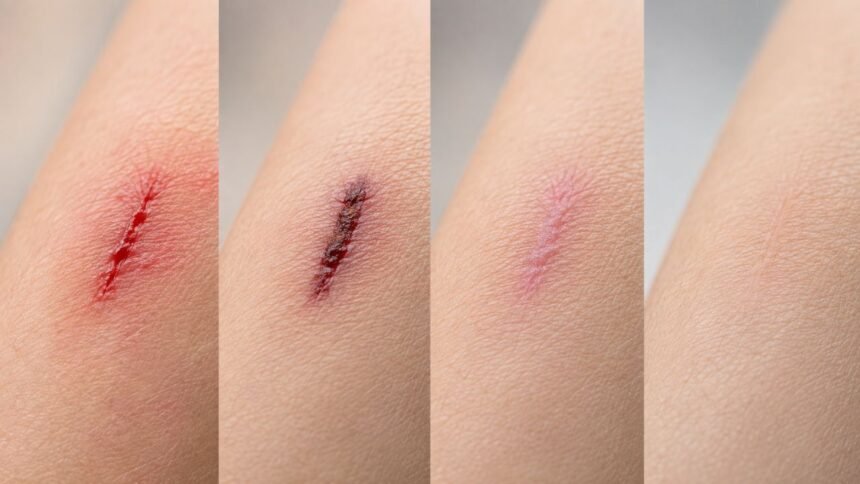
How Does the Body Heal a Wound?
The human body begins repairing a wound almost immediately after the skin is injured. Whether the damage is a small paper cut, a scraped knee or a surgical incision, cells and chemical signals quickly work together to control bleeding and protect the area. The wound-healing process is complex, but most of it happens automatically without conscious effort.
Skin is more than a visible covering around the body. It acts as a protective barrier against bacteria, chemicals, temperature changes and physical injury. When that barrier breaks, the body must close the opening while preventing infection and rebuilding damaged tissue. This repair process involves blood cells, immune cells, connective tissue, new blood vessels and skin cells.
Wound healing is commonly described through four overlapping stages: hemostasis, inflammation, proliferation and remodeling. These phases do not operate like separate steps that begin only after the previous one ends. Several processes may occur at the same time, especially during the first days after an injury. Each stage prepares the wound for the biological work that follows.
The length of recovery depends on the wound’s size, depth, location and cause. Age, nutrition, circulation, infection, smoking, diabetes and certain medicines can also influence healing speed. A small surface cut may close within days, while a deep wound may require weeks or months of repair. Understanding the process can help people recognize normal healing and possible warning signs.
What Happens Immediately After the Skin Is Injured?
A wound forms when the skin or underlying tissue is cut, torn, burned, punctured or otherwise damaged. The body recognizes the break as an emergency because blood may escape and microorganisms may enter. Nearby cells release chemical signals that alert platelets, blood vessels and immune cells. These signals begin organizing the body’s response within seconds of the injury.
Blood vessels around the wound initially narrow to reduce blood loss. Platelets travel to the damaged area and attach to exposed tissue, forming an early plug. Proteins in the blood then activate a chain of reactions that strengthens this temporary barrier. The resulting blood clot helps stop bleeding while creating a foundation for later repair.
At the same time, damaged cells release substances that attract immune cells to the area. These cells help remove bacteria, dead tissue and foreign material. Increased blood flow may make the wound look red, swollen or warm during the early healing period. Mild tenderness can also occur as nerves and surrounding tissues respond to the injury.
The body’s immediate goal is not to rebuild perfect skin. It first focuses on survival by controlling bleeding and limiting contamination. Once the wound is stable, the repair process can shift toward cleaning, rebuilding and strengthening the tissue. This explains why wound healing begins with a protective response before visible new skin starts appearing.
Stage One: Hemostasis Stops the Bleeding
Hemostasis is the first stage of wound healing and begins within seconds of an injury. Its main purpose is to stop excessive blood loss. Blood vessels contract, reducing the amount of blood reaching the damaged area. This initial narrowing is temporary but gives platelets enough time to begin creating a seal.
Platelets are small cell fragments that circulate in the bloodstream. When they detect a damaged blood vessel, they become sticky and attach to the exposed surface. More platelets gather around them, creating a temporary plug over the opening. They also release chemical signals that attract additional cells needed for clotting and tissue repair.
The coagulation system then produces strands of a protein called fibrin. These strands form a net that traps platelets and blood cells, making the clot stronger and more stable. The clot protects the wound while providing a temporary framework that repair cells can move across. It may later dry at the surface and contribute to scab formation.
Although scabs are commonly associated with healing, a thick scab is not required for every wound to recover. Properly covered wounds may remain slightly moist and heal without developing a hard surface crust. The important event is the formation of a stable clot beneath or within the injury. Hemostasis creates the protected environment needed for the next phase.
Stage Two: Inflammation Cleans the Wound
Inflammation begins soon after clotting and usually continues for several days. During this phase, blood vessels widen and become more permeable. This allows immune cells, fluid and important proteins to enter the injured tissue. The increased activity can cause temporary redness, warmth, swelling and tenderness around the wound.
Neutrophils are among the first white blood cells to arrive. They attack bacteria and help break down damaged cells or foreign particles. Macrophages enter afterward and continue clearing unwanted material from the wound. These immune cells also release growth factors that tell other cells when to begin building replacement tissue.
Mild inflammation is therefore a normal and necessary part of wound repair. A small amount of clear or pale fluid may also appear as the body cleans and protects the area. Normal early redness should generally remain close to the wound and gradually improve. It should not continue expanding or become increasingly painful over time.
Inflammation becomes problematic when it is excessive, prolonged or unable to remove an infection. Persistent inflammation can damage healthy tissue and delay the next stage of healing. This is one reason chronic wounds may remain open for months. The body can become trapped in an inflammatory state instead of progressing toward new tissue formation.
Stage Three: The Body Builds New Tissue
The proliferative phase begins after the wound has been stabilized and cleaned. During this stage, the body starts filling the damaged space with new tissue. Fibroblasts, blood vessel cells and skin cells become especially active. The phase may begin within a few days and continue for several weeks, depending on the injury.
Fibroblasts are specialized cells that produce collagen and other structural materials. Collagen acts like supportive scaffolding within the healing wound. Early collagen is arranged quickly and does not yet have the strength or organization of normal skin. Even so, it gives new cells a surface on which they can grow and move.
New blood vessels also develop through a process called angiogenesis. These tiny vessels deliver oxygen and nutrients to the active repair cells. Their presence gives healthy granulation tissue its pink or reddish appearance. Good blood flow is essential because tissue cannot rebuild effectively without enough oxygen, nutrients and immune support.
As the wound fills, special cells called myofibroblasts help pull its edges closer together. This process is known as wound contraction. It reduces the amount of new tissue the body must produce to close the gap. Contraction is particularly important in open wounds that cannot be closed directly with stitches or another medical method.
How Granulation Tissue Helps Fill the Wound
Granulation tissue is the soft, moist tissue that develops inside a healing wound. It contains new blood vessels, collagen-producing cells and extracellular material that supports repair. Healthy granulation tissue is usually pink or red and may have a slightly uneven appearance. It is a positive sign that the body is actively filling the damaged area.
This tissue is delicate because its blood vessels are newly formed and close to the surface. It may bleed easily if rubbed, scratched or disturbed during a dressing change. Rough cleaning can damage the developing tissue and slow recovery. Wound care should therefore protect granulation tissue rather than repeatedly scraping it away.
Granulation tissue grows upward from the base of the wound until it reaches the level of the surrounding skin. At the same time, skin cells move inward from the edges. These two activities allow the body to fill the depth of the wound while gradually covering its surface. The process continues until the protective barrier has been restored.
Not every red or raised area represents healthy granulation tissue. Tissue that grows above the wound edges may interfere with skin closure, while dark, dry or foul-smelling tissue may indicate another problem. A healthcare professional should assess unusual wound tissue rather than relying only on photographs or online descriptions. Correct evaluation depends on the entire wound and the person’s health.
How New Skin Forms Over a Wound
The formation of new surface skin is called re-epithelialization. Skin cells known as keratinocytes begin moving from the wound edges and any surviving structures within the injury. They travel across the moist surface until they meet cells coming from another direction. Once the gap closes, the cells begin rebuilding the outer protective layer.
New skin often appears pale pink, shiny or thinner than the surrounding skin. It is initially fragile and can be damaged by friction, scratching or repeated removal of dressings. Keeping a minor wound protected can prevent the new surface from reopening. The tissue gradually becomes stronger as additional skin layers develop.
Moist wound healing can support cell movement because skin cells travel more easily across a slightly moist surface than a dry, cracked one. For many minor cuts and scrapes, dermatologists recommend cleaning the area, applying plain petroleum jelly and covering it with a sterile bandage. This can protect the wound while reducing unnecessary scab formation.
A wound that repeatedly dries out and cracks may take longer to close. However, moisture does not mean leaving the injury wet, dirty or constantly soaked. Dressings should be changed according to medical advice and whenever they become contaminated. Surgical wounds and deeper injuries may require different instructions from those used for an ordinary minor cut.
Stage Four: Remodeling Strengthens the New Tissue
Remodeling is the final and longest stage of wound healing. It begins after the wound has largely closed and may continue for months or even longer. During this phase, the body reorganizes the collagen deposited during early repair. Unnecessary cells and blood vessels gradually disappear as the tissue becomes more mature.
Early collagen fibres are laid down rapidly and may point in different directions. Over time, the body breaks down some of this material and replaces it with stronger, better-organized collagen. This increases the wound’s ability to tolerate movement and pressure. The change happens slowly, even when the surface appears fully healed.
The repaired area usually never becomes identical to the original uninjured skin. Scar tissue lacks some structures found in normal skin, such as certain hair follicles and sweat glands. It may also have a different color, thickness or texture. A mature scar generally reaches only a portion of the original skin’s full strength.
During remodeling, a scar may change from red or raised to flatter, softer and less noticeable. Sun exposure can make healing skin develop lasting discoloration, so protection is important after the surface has closed. Some scars remain thick or continue growing beyond the original wound boundaries. These may be hypertrophic scars or keloids requiring professional evaluation.
Why Do Wounds Form Scars?
A scar is the body’s practical solution for closing damaged tissue quickly. Regenerating every structure exactly as it existed would take more time and may not always be biologically possible. Instead, the body produces collagen-rich tissue that restores strength and separates the internal environment from the outside world. Survival and closure take priority over perfect appearance.
Shallow wounds that affect only the upper skin layers may heal with little or no visible scarring. Deeper injuries are more likely to leave a mark because they damage the dermis, where collagen and many other structures are located. Surgical technique, wound tension, infection and individual genetics can also influence the final scar.
Some people naturally develop larger or more noticeable scars. Keloids grow beyond the borders of the original injury, while hypertrophic scars remain within the wound boundaries but become thick and raised. These scars are not simply caused by poor hygiene or incorrect care. Family history, skin biology and wound location can all contribute.
Good wound care may help reduce unnecessary scarring, but no method can guarantee an invisible result. Keeping the wound clean, moist and protected may support orderly healing. Once the wound has completely closed, a dermatologist may recommend options such as silicone products for certain scars. Treatment should match the scar type rather than following unverified online remedies.
How Long Does It Take for a Wound to Heal?
There is no single healing time that applies to every wound. A small, uncomplicated cut may improve noticeably within several days and close within about a week. A deeper laceration, burn or surgical wound may require several weeks before the surface is secure. Remodeling beneath the skin continues long after the wound appears closed.
Depth is one of the most important factors affecting healing time. A shallow scrape mainly requires surface skin replacement, while a deeper wound requires blood vessel formation, granulation tissue and more collagen. Wounds with widely separated edges also take longer to fill. Medical closure with stitches, staples or adhesive may shorten the distance the tissue must repair.
Location can make a difference because blood flow and movement vary across the body. Wounds on the face may heal relatively quickly because of a rich blood supply. Injuries over joints can reopen because the skin repeatedly stretches during movement. Foot and lower-leg wounds may heal slowly when circulation, swelling or pressure creates additional problems.
Healing time should be judged by progress rather than by one fixed deadline. The wound should gradually become smaller, less painful and less inflamed. A wound that remains unchanged, repeatedly opens or continues draining may need assessment. People with diabetes, vascular disease or reduced sensation should seek help earlier because complications may develop without severe pain.
Factors That Can Slow Wound Healing
Poor blood flow is a major cause of delayed wound healing. Blood carries oxygen, nutrients and immune cells to the damaged tissue. When circulation is reduced, repair cells cannot work efficiently and infection becomes harder to control. Vascular disease, prolonged pressure and severe swelling can all limit blood supply to a wound.
Diabetes can delay healing through several connected mechanisms. High blood glucose may affect immune function, circulation and nerve sensation. A person may not notice a foot injury because of reduced feeling, allowing pressure or infection to continue. For this reason, diabetic foot wounds require careful monitoring and often professional treatment.
Smoking also interferes with wound repair. Chemicals in tobacco smoke reduce oxygen delivery and negatively affect blood vessels and repair cells. This can increase the risk of delayed healing and complications after surgery. Stopping smoking can support recovery, although people may need structured assistance to quit successfully.
Other factors include infection, poor nutrition, older age, repeated friction and medicines that affect immunity or inflammation. Conditions such as severe anaemia may also reduce oxygen delivery. A wound may heal slowly because several factors are present at the same time. Addressing the underlying cause is often as important as treating the surface injury.
How Nutrition Supports Wound Healing
Healing tissue requires energy because cell division, immune activity and collagen production are demanding processes. A balanced diet helps provide the calories and nutrients needed for repair. People recovering from large wounds, burns or major surgery may have higher nutritional requirements. A healthcare team may recommend a personalized plan when ordinary food intake is insufficient.
Protein is especially important because the body uses amino acids to build collagen, enzymes and immune components. Protein-rich foods include fish, poultry, eggs, dairy products, beans, lentils, soy foods and nuts. The required amount varies according to body size, wound severity and overall health. More protein is not automatically better when kidney or other medical conditions are present.
Vitamin C supports collagen formation, while zinc participates in many processes involved in cell growth and immune function. Iron helps the blood carry oxygen, and vitamin A contributes to skin and immune health. Most people can obtain these nutrients through a varied diet. High-dose supplements should not be taken automatically because excessive amounts can cause harm or interact with medicines.
Hydration also supports circulation and normal cellular function. Water needs vary with climate, activity, illness and medical conditions. Someone with heart or kidney disease may have specific fluid restrictions and should follow professional advice. Nutrition can support the body’s repair systems, but it cannot compensate for an infected wound or severely reduced circulation.
How to Care for a Minor Wound Properly
Wash your hands before touching a wound or changing its dressing. For a minor cut or scrape, use clean running water to rinse away visible dirt and debris. Gently clean the surrounding skin with mild soap without aggressively scrubbing the open tissue. Persistent debris or an embedded object may require professional removal.
Control minor bleeding with gentle, continuous pressure using clean gauze or cloth. Avoid lifting the material repeatedly to check because this can disturb the forming clot. Once bleeding has stopped, a thin layer of plain petroleum jelly may help keep the surface moist. Cover the area with a sterile, non-stick bandage to protect it.
Change the bandage daily or whenever it becomes wet, loose or dirty. Check the wound for changes in size, drainage, redness and discomfort. Avoid picking at scabs or peeling new skin because this can reopen the injury. Follow separate instructions given by a surgeon or wound-care professional for medical procedures.
Check whether tetanus vaccination is current, especially after a puncture, bite or dirty wound. In the United States, CDC guidance bases booster timing on the type of wound and vaccination history. People with incomplete or uncertain vaccination records may need additional protection. Contact a healthcare professional rather than trying to determine complex vaccine needs alone.
Signs That a Wound Is Healing Normally
Normal healing often includes mild redness, tenderness and swelling during the first few days. The discomfort should remain manageable and gradually improve. Clear or pale fluid can sometimes appear during early healing. The wound edges may begin moving closer together as new tissue develops beneath the surface.
Healthy granulation tissue usually looks moist, pink or red. New skin may appear pale pink and slightly shiny as it spreads across the wound. It is normal for the area to itch mildly as the skin closes and nerves recover. Scratching should still be avoided because new tissue is fragile and easily damaged.
A healing wound should slowly become smaller and require less drainage management. Pain should decrease rather than suddenly intensify. The surrounding skin should remain relatively stable without rapidly spreading redness. Taking photographs at consistent intervals can help a person notice progress, particularly with a larger wound being managed under medical guidance.
Not every wound follows an identical visual pattern. Bruising, surgical materials and the type of dressing can alter its appearance. Darker skin tones may show inflammation as purple, grey or darker brown rather than bright red. Changes in warmth, swelling, pain and drainage are therefore important alongside color.
Warning Signs of Infection or Poor Healing
Increasing pain can be an early sign that a wound is not healing normally. Redness or swelling that expands beyond the original area also deserves attention. The skin may become noticeably hot or firm, and the wound may begin throbbing. These changes are different from mild inflammation that gradually settles.
Thick yellow, green, tan or foul-smelling drainage may indicate infection. Pus should not be confused with a small amount of clear fluid during early healing. The wound may also reopen or become larger instead of closing. Dark, dry or black tissue can signal damaged tissue or reduced blood flow and requires assessment.
Fever, chills and feeling generally unwell can mean the problem extends beyond the skin. Red streaks moving away from a wound may indicate a spreading infection. These symptoms need prompt medical attention. Wound infections can become serious when treatment is delayed, especially in people with diabetes or weakened immunity.
A wound that does not show meaningful progress may be considered chronic, depending on its cause and duration. Chronic wounds often have underlying problems such as pressure, poor circulation, diabetes or persistent swelling. Simply applying stronger antiseptic products does not correct these causes. Specialized wound care may be needed to support healing.
When Should You Seek Medical Care?
Seek urgent care when bleeding does not stop after firm, continuous pressure. Deep wounds, widely separated edges and injuries exposing fat, muscle, tendon or bone also need prompt assessment. A healthcare professional can determine whether the wound requires stitches, adhesive, staples, imaging or surgical cleaning.
Animal bites, human bites and deep puncture wounds carry a higher risk of infection. Wounds containing glass, metal, soil or other embedded material also require caution. Medical advice is important when the injury comes from a contaminated object or when tetanus vaccination is not current. Some wounds may need preventive medication.
Emergency care is necessary when a wound causes severe blood loss, numbness or loss of movement. Call for urgent help if blood is spurting, the person becomes weak or the injury involves the eye, neck, chest or abdomen. Do not remove a deeply embedded object because it may be limiting bleeding.
People with diabetes, poor circulation, immune suppression or a history of slow wound healing should seek advice earlier. A wound on the foot may be serious even when it is not painful. Contact a healthcare provider when redness, swelling, drainage or pain is worsening. Early treatment can prevent a manageable problem from becoming a medical emergency.
Final Thoughts
The body heals a wound through a coordinated series of biological events. It first stops the bleeding, then sends immune cells to clean the area. New blood vessels, collagen and granulation tissue fill the damaged space. Skin cells eventually cover the surface while deeper tissue continues strengthening beneath it.
These stages are known as hemostasis, inflammation, proliferation and remodeling. They overlap rather than occurring as four completely separate events. A wound may therefore be producing collagen while immune cells are still active. The balance between these processes determines how efficiently the tissue repairs itself.
Minor wounds often heal successfully with cleaning, protection and appropriate moisture. More serious injuries require professional treatment because depth, contamination and poor circulation can change the risks. Nutrition, blood glucose control and avoiding smoking can support the body’s natural repair mechanisms. However, lifestyle measures should not replace necessary medical care.
Pay attention to the direction in which the wound is changing. Less pain, smaller size and healthy new tissue generally suggest progress. Increasing redness, warmth, pus, fever or spreading symptoms may indicate infection. Understanding how wounds heal makes it easier to support recovery and recognize when the body needs additional help.
Frequently Asked Questions
What are the four stages of wound healing?
The four stages are hemostasis, inflammation, proliferation and remodeling. They control bleeding, clean the wound, create new tissue and gradually strengthen the repaired area.
Why does a healing wound itch?
Mild itching may occur as new skin forms, nerves recover and inflammatory chemicals affect the area. Severe itching with a spreading rash may indicate irritation or an allergic reaction.
Is redness around a wound normal?
Mild redness close to a new wound can be part of normal inflammation. Redness that spreads, becomes hotter or occurs with increasing pain and pus may suggest infection.
Does a wound heal faster covered or uncovered?
Many minor wounds heal well when kept clean, slightly moist and covered with a sterile bandage. Covering protects new tissue from dirt, friction and repeated reopening.
Why is my wound taking so long to heal?
Slow healing may be related to infection, diabetes, poor circulation, smoking, pressure or inadequate nutrition. A wound that is not improving should be assessed by a healthcare professional.