

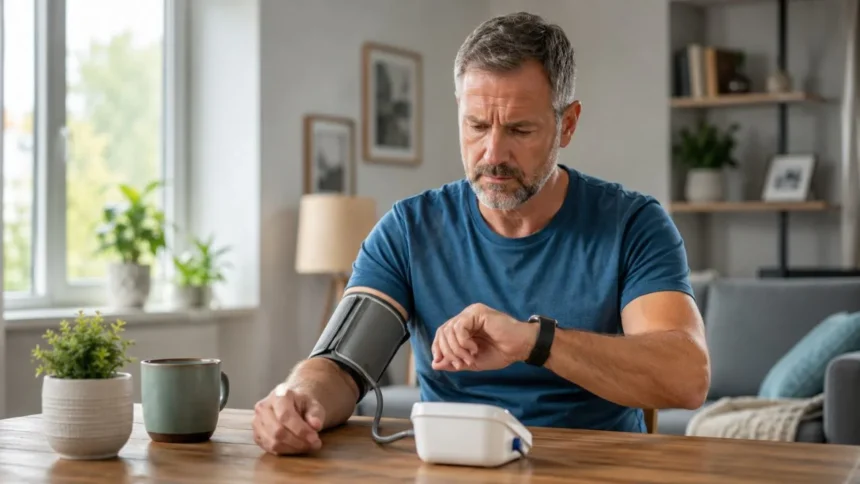
High Blood Pressure and Low Heart Rate: What Does It Mean?
Seeing high blood pressure and a low heart rate on the same monitor can feel alarming. Many people expect their blood pressure and pulse to rise or fall together, but these numbers measure different aspects of cardiovascular function. One reading may therefore be high while the other remains unusually low.
High blood pressure, also called hypertension, describes excessive pressure against the walls of your arteries. A low resting heart rate is generally called bradycardia when the pulse falls below 60 beats per minute. Neither number should be interpreted without considering your symptoms, medications, fitness level and usual readings.
In some people, this combination has a straightforward explanation. A medicine such as a beta blocker may slow the heart while blood pressure remains above its target. A physically active person may also have a naturally low pulse while separately developing hypertension because of age, genetics or another risk factor.
In other cases, high blood pressure with a slow pulse may indicate a heart conduction problem, thyroid disorder, sleep-related breathing condition or another medical issue. Severe symptoms or extremely high readings require urgent attention, while recurring but symptom-free readings should still be discussed with a healthcare professional.
Key Takeaways
Blood pressure and heart rate are two separate measurements. Blood pressure shows how forcefully blood presses against the arteries, while heart rate records how many times the heart beats each minute. A high blood pressure reading does not automatically cause a fast pulse.
A resting heart rate below 60 beats per minute is described as bradycardia. It may be normal during sleep or in well-trained athletes, especially when there are no symptoms. However, a newly slow pulse or one accompanied by dizziness, weakness or fainting deserves medical evaluation.
Medicines are a common reason for this combination. Beta blockers, certain calcium channel blockers, digoxin and some heart-rhythm drugs can reduce the pulse. Never stop or change a prescribed medicine without speaking to the clinician who manages your treatment.
Blood pressure above 180/120 mm Hg can represent severe hypertension. Repeat the measurement after one minute while resting. Call emergency services when the reading remains extremely high and you have chest pain, breathlessness, weakness, numbness, vision changes, confusion or difficulty speaking.
Understanding Blood Pressure and Heart Rate
Blood pressure is recorded using two numbers measured in millimetres of mercury, written as mm Hg. The systolic number appears first and represents pressure when the heart contracts. The diastolic number represents pressure while the heart relaxes between beats.
Heart rate, often called pulse rate, records the number of heartbeats per minute. It is affected by physical activity, fitness, sleep, temperature, emotions, pain, illness and medication. Your pulse may change quickly, while long-term blood pressure patterns usually require several properly collected readings.
The heart rate influences how often blood is pumped, but blood pressure also depends on the strength of each contraction, artery stiffness, circulating blood volume and resistance within the blood vessels. These additional factors explain why blood pressure can remain high when the heart is beating slowly.
One abnormal measurement cannot confirm hypertension or a heart-rhythm disorder. A monitor may produce an inaccurate result because of movement, talking, an incorrectly sized cuff or poor positioning. Repeated measurements and clinical testing provide a clearer picture of what is happening.
What Counts as High Blood Pressure?
Normal adult blood pressure is below 120/80 mm Hg under current United States guidance. Elevated blood pressure means the systolic reading is between 120 and 129 while the diastolic number remains below 80. These categories should be based on accurate, repeated measurements.
Stage 1 hypertension begins when the systolic pressure is between 130 and 139 or the diastolic pressure is between 80 and 89. Stage 2 hypertension begins at a systolic reading of 140 or higher, or a diastolic reading of 90 or higher.
A diagnosis is not usually made from one mildly elevated reading. Stress, caffeine, exercise, pain, smoking and an uncomfortable clinical environment can temporarily raise blood pressure. Home monitoring or ambulatory testing may help determine whether it remains high during ordinary daily life.
Readings above 180 systolic or 120 diastolic require prompt attention. When this level occurs with signs of possible organ injury, it may be a hypertensive emergency. Do not wait for the pressure to improve on its own when serious symptoms are present.
What Counts as a Low Heart Rate?
For most adults, a typical resting heart rate falls between 60 and 100 beats per minute. A pulse below 60 is generally called bradycardia. This definition does not mean that every reading of 55 or 58 represents dangerous heart disease.
Fit people may have a resting pulse in the 40s or 50s because their hearts pump efficiently. Heart rate also naturally falls during sleep. A slow but regular pulse can therefore be normal when the person feels well and the number has been consistent over time.
Bradycardia becomes more concerning when the heart cannot pump enough oxygen-rich blood to the brain and body. Possible symptoms include fatigue, shortness of breath, confusion, poor exercise tolerance, lightheadedness, fainting or discomfort in the chest.
The seriousness of a slow heart rate depends on more than one number. A pulse that is normal for an endurance athlete may be abnormal for someone who is inactive and suddenly symptomatic. Rhythm, blood pressure, medical history and electrocardiogram findings all matter.
Can High Blood Pressure Cause a Low Heart Rate?
Ordinary hypertension does not usually make the heart rate slow by itself. Many people with high blood pressure have a normal pulse, while others develop a faster pulse because of stress, activity or illness. The two measurements often change independently.
Long-standing hypertension may eventually contribute to structural changes in the heart. The heart muscle can become thicker, and cardiovascular disease may affect the electrical system responsible for coordinating each beat. These changes could contribute indirectly to rhythm problems in some people.
Treatment for high blood pressure is a more common explanation for a slow pulse. Certain medications reduce the heart rate intentionally to decrease cardiac workload. Blood pressure may nevertheless remain elevated when the dose, medication combination or underlying hypertension needs reassessment.
A clinician will therefore look beyond the idea that one number directly caused the other. The goal is to identify whether the low pulse is normal, medication-related or caused by a conduction problem while separately determining why the blood pressure remains high.
Common Causes of High Blood Pressure With a Low Heart Rate
Several unrelated factors can occur at the same time. A person may have hypertension from genetics, ageing, kidney disease, excess sodium intake or obesity while also having a naturally low heart rate. The combination does not always come from one condition.
Medication is among the most frequent explanations. Beta blockers are commonly used for heart disease, rhythm problems and sometimes hypertension. They deliberately slow the pulse, but blood pressure can remain above target if the medication does not adequately reduce resistance in the blood vessels.
Electrical conduction disorders can also produce bradycardia. Sinus node dysfunction affects the heart’s natural pacemaker, while heart block delays or interrupts signals travelling from the upper chambers to the lower chambers. These problems become more common with age and heart disease.
Other possible contributors include an underactive thyroid, abnormal electrolyte levels, sleep apnea, heart inflammation and previous heart damage. A rare but serious combination of high pressure and slowing pulse can occur with increased pressure inside the skull, usually alongside severe neurological symptoms.
Blood Pressure Medicines That Can Slow Your Pulse
Beta blockers reduce the effects of stress hormones on the heart. Examples include metoprolol, atenolol, bisoprolol, carvedilol and propranolol. They may be prescribed for coronary artery disease, heart failure, angina, arrhythmias, migraine prevention or other medical conditions.
Some calcium channel blockers can also slow electrical conduction through the heart. Diltiazem and verapamil are more likely to reduce the pulse than drugs such as amlodipine. Taking a rate-slowing calcium channel blocker with a beta blocker may increase the risk of excessive bradycardia.
Digoxin and several antiarrhythmic medicines may reduce heart rate or affect conduction. Certain glaucoma eye drops contain beta blockers that can enter the bloodstream and slow the pulse. Patients may overlook eye drops when preparing their medication list.
Never skip, reduce or stop a heart or blood pressure medicine independently. Sudden withdrawal from some drugs can cause a dangerous increase in heart rate, blood pressure or chest pain. Contact the prescribing clinician to discuss readings, symptoms and possible adjustments.
Could the Reading Be Caused by Measurement Error?
Incorrect technique can produce a misleading blood pressure result. A cuff that is too small may make the reading appear higher than it truly is. Wrist monitors and unvalidated wearable devices may also be more sensitive to arm position and movement.
Talking, crossing your legs or leaving your back and arm unsupported can increase the recorded pressure. Measuring immediately after climbing stairs, smoking, drinking caffeine or exercising can also distort the result. Rest quietly before deciding that the number represents your usual blood pressure.
Automated devices may calculate the pulse inaccurately when the heartbeat is irregular. Cold hands, poor sensor contact or movement can further affect wearable readings. Compare unusual smartwatch results with a manual pulse count or a clinically validated upper-arm monitor.
If your pulse or blood pressure appears abnormal, repeat the measurement correctly rather than checking every few seconds. Persistent unusual readings should be recorded and discussed with a clinician. Symptoms should take priority over repeatedly testing the device.
How to Check Your Blood Pressure Correctly at Home
Avoid exercise, tobacco and caffeinated drinks for at least 30 minutes before measuring. Empty your bladder and sit quietly for approximately five minutes. Emotional stress, conversation and recent physical activity can temporarily increase both cardiovascular measurements.
Sit in a chair with your back supported and both feet flat on the floor. Keep your legs uncrossed and place your bare upper arm on a surface at heart level. The cuff should fit the size of your arm and should not be placed over clothing.
Remain still and silent while the monitor operates. Take two readings approximately one minute apart and record both results. Measure at similar times each day when your clinician has asked you to maintain a home blood pressure log.
Bring the monitor to a medical appointment occasionally so its readings can be compared with clinical equipment. Do not change your treatment based on one home result. Trends collected with consistent technique are more useful than isolated measurements.
How to Check Your Heart Rate
You can check your pulse at the wrist by placing the tips of two fingers over the artery below the thumb. Press gently until you feel the beats. Do not use your thumb because it has a pulse that may confuse the count.
Count the beats for a full 60 seconds when the rate feels slow or irregular. A shorter count multiplied to estimate a minute may miss pauses or uneven beats. Record whether the pulse feels steady, regularly irregular or randomly irregular.
Measure after sitting quietly for several minutes unless you are checking your response to exercise. Note symptoms occurring at the same time, such as dizziness, breathlessness or chest discomfort. These details can be more useful than the number alone.
Consumer wearables can help identify trends but do not replace a medical electrocardiogram. Contact a healthcare professional when your resting pulse is repeatedly lower than usual, particularly if it is irregular or accompanied by symptoms.
Symptoms That May Occur With a Slow Heart Rate
Some people with bradycardia have no symptoms because the heart still pumps enough blood. They may discover the slow rate during a routine examination, blood pressure check or wearable notification. Asymptomatic bradycardia does not always require treatment.
When blood flow becomes inadequate, fatigue and reduced exercise capacity may appear first. Ordinary tasks may feel harder, and the person may become breathless sooner than expected. These symptoms can be gradual and may be mistaken for ageing or poor fitness.
Lightheadedness, confusion, blurred vision and near-fainting can occur when the brain receives insufficient blood flow. Actual fainting requires prompt assessment because it may cause injury and can indicate a significant heart-rhythm problem.
Chest pain, severe breathing difficulty or marked weakness should not be ignored. Call emergency services when these symptoms are sudden, severe or accompanied by an extremely high blood pressure reading. Do not drive yourself when you feel faint or medically unstable.
When Is High Blood Pressure With a Low Pulse an Emergency?
Call emergency services when blood pressure remains above 180/120 mm Hg and you have chest pain, shortness of breath, weakness, numbness, vision changes, confusion, severe headache or difficulty speaking. These symptoms may indicate damage affecting the heart, brain or other organs.
A slow pulse also requires emergency attention when accompanied by fainting, severe chest discomfort, breathing difficulty or an inability to remain alert. The absolute pulse number is less important than evidence that the heart is not supplying enough blood.
Sudden neurological symptoms are particularly concerning. Facial drooping, one-sided weakness, difficulty speaking, loss of balance or a new vision problem may indicate a stroke. Record the time symptoms began and call for emergency help immediately.
Severe headache, repeated vomiting, confusion or weakness after a head injury also requires urgent care, especially when the pulse is slowing and blood pressure is rising. Increased pressure within the skull is uncommon but potentially life-threatening.
What Should You Do With a Reading Above 180/120?
Stop what you are doing and sit quietly without talking. Wait at least one minute, then measure your blood pressure again using correct positioning. Confirm that the cuff fits properly and that it is placed directly over the bare upper arm.
If the second reading remains above 180/120, check for new or concerning symptoms. Chest pain, breathlessness, back pain, weakness, numbness, vision disturbance or speech difficulty means you should call emergency services without waiting for another reading.
When the pressure remains severely elevated but no emergency symptoms are present, contact your healthcare professional promptly for instructions. You may need a same-day assessment or medication adjustment. Do not take an extra dose unless a clinician has specifically told you to do so.
Avoid attempting to lower the pressure quickly with someone else’s medicine or an unprescribed supplement. A rapid, uncontrolled drop may reduce blood supply to important organs. Safe treatment depends on the cause, current medications and presence of organ damage.
When Should You Contact a Doctor Soon?
Arrange a medical review when your resting pulse is repeatedly lower than usual, even if you feel relatively well. A new pattern may require a medication review, electrocardiogram or laboratory testing. Bring a record of your blood pressure, pulse and symptoms.
Contact the prescribing clinician when low heart rate develops after starting a medicine or changing its dose. Include prescription drugs, over-the-counter products, supplements and eye drops. Drug interactions can become important even when each product is safe individually.
Recurring dizziness, unusual fatigue, shortness of breath or reduced exercise tolerance should also be assessed. These symptoms may have several causes, including anaemia, thyroid disease, heart problems or medication effects. Self-diagnosis from a home monitor is unreliable.
Medical review is also appropriate when blood pressure regularly reaches the stage 2 range. Hypertension may cause no noticeable symptoms while gradually increasing the risk of stroke, heart disease, kidney damage and other complications.
Heart Conduction Problems and Bradycardia
Every heartbeat begins with an electrical signal, usually from the sinus node in the upper-right chamber of the heart. The signal travels through specialised tissue and causes the chambers to contract in sequence. Disruption at any point can slow the pulse.
Sinus node dysfunction occurs when the heart’s natural pacemaker produces signals too slowly or pauses unexpectedly. Some people alternate between unusually slow and fast rhythms, a pattern called tachy-brady syndrome. Symptoms may come and go, making diagnosis difficult.
Heart block occurs when electrical signals are delayed or prevented from reaching the lower chambers. Mild forms may cause few problems, while advanced heart block can produce severe bradycardia, fainting and reduced blood flow. An ECG helps identify the type.
Treatment depends on symptoms and the degree of conduction disturbance. Medication changes may be sufficient when a drug is responsible. A pacemaker may be recommended when persistent electrical disease causes significant symptoms or dangerous pauses.
Could an Underactive Thyroid Be Responsible?
The thyroid gland produces hormones that affect metabolism and cardiovascular function. When it becomes underactive, many body processes slow down. Some people develop a lower heart rate alongside fatigue, weight gain, constipation and increased sensitivity to cold.
Hypothyroidism may also influence blood vessel resistance and cholesterol levels. This can contribute to higher diastolic blood pressure in some patients. The combination of a slow pulse and elevated pressure may therefore prompt thyroid testing.
Symptoms often develop gradually and overlap with many other conditions. Dry skin, muscle aches, low mood and difficulty concentrating may also occur. A diagnosis requires blood tests rather than symptoms alone.
Treatment usually involves replacing the missing thyroid hormone under medical supervision. Heart rate and blood pressure may improve as hormone levels return to the appropriate range. Excess thyroid replacement can create the opposite problem and should also be avoided.
Can Sleep Apnea Affect Blood Pressure and Pulse?
Obstructive sleep apnea causes repeated pauses in breathing during sleep. Oxygen levels fall and the nervous system repeatedly activates to reopen the airway. These changes can contribute to difficult-to-control hypertension and abnormal changes in heart rhythm.
Heart rate may slow during some breathing pauses and then increase when breathing resumes. A person may not notice these overnight fluctuations. Loud snoring, witnessed pauses, choking sounds and severe daytime sleepiness are common warning signs.
Untreated sleep apnea can increase cardiovascular strain and may make blood pressure harder to control. It is especially worth considering in people with obesity, resistant hypertension, morning headaches or a thick neck, although it can affect people of different body sizes.
A sleep study can confirm the diagnosis and measure breathing, oxygen levels and heart rhythm overnight. Treatment may include positive airway pressure therapy, weight management, positional strategies, oral devices or other options based on the cause.
High Blood Pressure, Low Heart Rate and Exercise
Exercise temporarily changes both pulse and blood pressure. Heart rate should normally rise as activity becomes more demanding. A person taking beta blockers may experience a smaller increase because the medicine limits how fast the heart can beat.
Do not rely exclusively on a standard target-heart-rate formula when taking a rate-slowing drug. Instead, use perceived effort or the talk test according to professional guidance. Moderate activity should increase breathing while still allowing you to speak in short sentences.
A low resting heart rate in an endurance athlete may be normal, but high blood pressure still needs attention. Physical fitness does not provide complete protection from hypertension caused by genetics, ageing, kidney disease, sleep apnea or other factors.
Seek medical guidance before intense exercise when bradycardia is new, unexplained or symptomatic. Stop exercising and obtain urgent help for chest pain, faintness, unusual breathlessness or neurological symptoms. Do not try to exercise an extremely high blood pressure down.
How Doctors Evaluate High Blood Pressure and Bradycardia
The clinician will first repeat the blood pressure and heart rate using accurate equipment. They will ask about symptoms, physical activity, previous readings and family history. A full medication review is essential because several drugs can influence the pulse.
An electrocardiogram records the heart’s electrical activity and may reveal sinus bradycardia, heart block or another rhythm. Because a short ECG captures only a brief period, a Holter monitor or longer event monitor may be needed when symptoms occur intermittently.
Blood tests may check electrolytes, thyroid function, kidney function, blood count and medication levels. The selected tests depend on the person’s symptoms and medical history. Abnormal potassium or other electrolyte levels can affect electrical conduction.
Additional testing may include an echocardiogram, exercise test, sleep study or ambulatory blood pressure monitor. The goal is to identify whether the low pulse is harmless or pathological while confirming the severity and pattern of the hypertension.
How Is the Condition Treated?
Treatment depends on the reason behind each number. A healthy athlete with asymptomatic sinus bradycardia may need no heart-rate treatment, while persistent hypertension may still require lifestyle changes, medication or both. The two findings are managed according to their separate causes.
When medication is slowing the pulse excessively, a clinician may reduce the dose, change the timing or prescribe an alternative. Another blood pressure medicine that does not significantly reduce heart rate may be more appropriate in certain cases.
Underlying problems such as hypothyroidism, sleep apnea or electrolyte imbalance require targeted treatment. Correcting the cause may improve the pulse and make blood pressure easier to control. Heart conduction disease may require monitoring or pacemaker placement.
Severe hypertension is treated carefully to reduce the risk of organ injury without lowering pressure too rapidly. Emergency treatment may involve intravenous medication and close monitoring. Routine hypertension is usually managed gradually through prescribed medicine and sustainable lifestyle changes.
Lifestyle Changes That Can Support Healthy Blood Pressure
A heart-supportive eating pattern emphasises vegetables, fruit, beans, whole grains, nuts, fish and other minimally processed foods. The DASH eating plan is commonly recommended for hypertension. It can be adapted to cultural preferences and personal dietary needs.
Reducing excess sodium may help lower blood pressure, particularly in people who are salt-sensitive. Much of the sodium in modern diets comes from packaged food, restaurant meals, sauces and processed meat rather than the salt shaker alone.
Regular aerobic activity and strength training can support cardiovascular health. Begin gradually when you are inactive or have medical concerns. A clinician may recommend limits or supervised exercise when bradycardia causes symptoms or significant heart disease is present.
Other helpful steps include maintaining a suitable weight, avoiding tobacco, limiting alcohol and improving sleep. Lifestyle changes work best alongside prescribed treatment rather than replacing it. Monitor your response and discuss persistent abnormal readings with your clinician.
What Not to Do
Do not stop beta blockers, calcium channel blockers, digoxin or other heart medicines suddenly. Abrupt withdrawal can worsen blood pressure, trigger a fast rhythm or increase chest pain. Medication changes should be planned with the prescribing professional.
Do not repeatedly measure your pressure while panicking, talking or pacing. Anxiety and poor technique may drive the number higher and make interpretation more difficult. Rest quietly, use correct positioning and follow the emergency guidance for severe readings.
Avoid taking another person’s blood pressure medication or doubling your dose without instructions. Different drugs affect blood pressure, heart rate, kidneys and electrolytes in different ways. An unsuitable combination could make the pulse dangerously slow.
Do not ignore fainting, chest pain, breathlessness or neurological changes because a wearable labels your rhythm as normal. Consumer devices can miss serious problems. Symptoms indicating reduced blood flow or organ injury require professional assessment.
Can Anxiety Cause High Blood Pressure and a Low Pulse?
Anxiety commonly causes temporary increases in both heart rate and blood pressure through activation of the stress response. It is therefore less likely to explain a persistently slow pulse. However, individual responses can vary, especially when medication is involved.
A person taking a beta blocker for anxiety may have a slow heart rate while emotional stress temporarily raises blood pressure. This could create the combination on a home monitor without indicating that anxiety directly caused bradycardia.
Repeatedly checking the numbers can create additional anxiety and increasingly inconsistent readings. Follow a planned monitoring schedule rather than testing after every sensation. Record the circumstances surrounding an unusual result to help your clinician identify patterns.
Do not assume that symptoms such as chest discomfort, faintness or shortness of breath are “only anxiety,” particularly when the readings are abnormal. Medical assessment can exclude cardiovascular causes and make treatment for anxiety safer and more effective.
Can Dehydration Cause This Combination?
Dehydration more commonly causes a faster pulse because the heart compensates for reduced circulating fluid. Blood pressure may fall, especially when standing. High blood pressure with bradycardia is therefore not the typical dehydration pattern.
Individual responses can be complicated by medications, kidney disease and electrolyte disturbances. Severe fluid loss may change sodium or potassium levels, which can affect heart rhythm. Vomiting, diarrhoea and excessive sweating increase this risk.
Drinking large amounts of water quickly is not a safe treatment for unexplained bradycardia or hypertension. Excessive fluid can be harmful for people with heart failure, kidney disease or impaired electrolyte balance. Hydration advice should reflect the underlying condition.
Seek medical guidance when abnormal readings follow significant illness, heat exposure or fluid loss. Severe weakness, confusion, fainting or an irregular pulse requires prompt care. A blood test may be needed to identify an electrolyte problem.
Is a Low Pulse Always a Sign of a Strong Heart?
A lower resting heart rate can reflect cardiovascular fitness because a well-conditioned heart may pump more blood with each beat. Many endurance athletes therefore have resting pulses below 60 without experiencing dizziness, fatigue or reduced performance.
The same number can have a different meaning in someone who is older, inactive or taking rate-slowing medication. Sinus node disease and heart block can also produce a low pulse. Context is essential before describing bradycardia as healthy.
A sudden change from your personal baseline deserves attention. Someone whose pulse was consistently around 75 and is now regularly near 50 may need assessment, even though another person has always had a pulse near 50.
Fitness-related bradycardia should usually respond appropriately to activity. If the pulse fails to rise with exercise or symptoms develop, a clinician may recommend an exercise ECG or heart monitor. A strong heart should still supply the body’s needs.
How to Prepare for a Medical Appointment
Keep a written log of blood pressure and pulse readings collected with consistent technique. Include the date, time, arm used and any symptoms. Note whether you had recently exercised, consumed caffeine or taken medication.
Bring a complete list of prescription medicines, over-the-counter drugs, vitamins, supplements and eye drops. Record the dose and timing of each product. Do not rely on memory when several medicines are involved.
Write down episodes of dizziness, fainting, chest discomfort, breathlessness or unusual fatigue. Include what you were doing, how long the symptom lasted and whether your pulse felt irregular. These details may guide the selection of monitoring tests.
Take your home blood pressure monitor to the appointment when possible. The healthcare team can check its accuracy and cuff size. Ask what readings should prompt a routine call, urgent assessment or emergency response based on your individual condition.
Final Thoughts on High Blood Pressure and Low Heart Rate
High blood pressure with a low heart rate does not have one universal explanation. The measurements represent different functions, and they may be affected by separate conditions. A slow pulse may be normal even when hypertension requires treatment.
Medicines are a common cause, particularly beta blockers and certain heart-rhythm drugs. Other possibilities include sinus node dysfunction, heart block, hypothyroidism, sleep apnea and electrolyte abnormalities. A clinical assessment is needed to distinguish among them.
Repeat unusual readings using proper technique and keep a record of the pattern. Contact a healthcare professional when the combination is new, recurring or accompanied by fatigue, dizziness, breathlessness or reduced exercise tolerance.
Treat readings above 180/120 mm Hg seriously. Call emergency services when severe hypertension occurs with chest pain, breathing difficulty, weakness, numbness, visual changes, confusion or difficulty speaking. Prompt action is more important than determining the cause at home.
Frequently Asked Questions
Is high blood pressure with a low heart rate dangerous?
It is not always dangerous, especially in fit people or those taking rate-slowing medicine. However, new or symptomatic readings require medical assessment to exclude heart conduction problems or other conditions.
Can beta blockers cause high blood pressure and a low pulse?
Beta blockers commonly slow the pulse, but blood pressure may remain high if hypertension is not fully controlled. Do not stop the medicine; ask the prescribing clinician to review the dose and treatment plan.
What heart rate is considered too low?
A resting pulse below 60 is called bradycardia, but the symptoms and personal baseline matter more than one cutoff. Fainting, chest pain, confusion or breathlessness with a slow pulse requires urgent care.
Should I exercise with high blood pressure and bradycardia?
Light or moderate exercise may be appropriate after medical guidance, particularly when you take a beta blocker. Avoid intense activity when the slow pulse is unexplained or causes dizziness, weakness or chest discomfort.
When should I go to the emergency room?
Seek emergency help for blood pressure above 180/120 with chest pain, breathlessness, weakness, numbness, vision changes or speech difficulty. Fainting or severe symptoms with a very slow pulse also need immediate care.